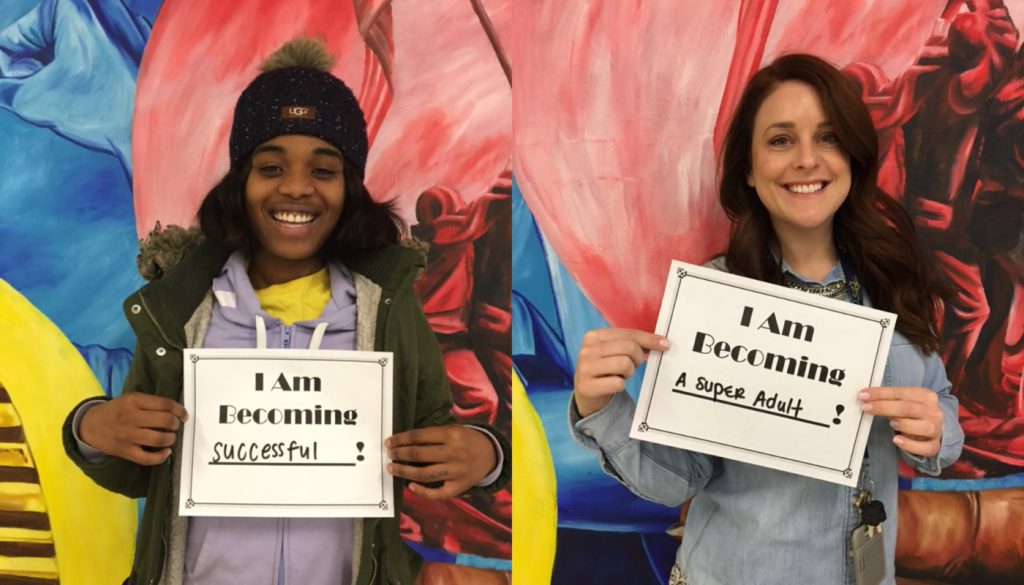
As a writer and journalist, I have always been fascinated by American history. From the early days of colonization to the struggles for independence, the growth of a nation, and the ongoing pursuit of progress, there are countless stories that shape our understanding of who we are as Americans. Today, I want to explore a topic that is often overlooked in traditional educational settings: alternative schooling and education in America.
Throughout history, education has played a pivotal role in shaping society. It has been seen as both a tool for socialization and a means to acquire knowledge and skills needed for personal and professional growth. While traditional schooling has long been the norm in America, there have always been individuals and communities who sought alternatives that better suited their needs or values.
One example of alternative education dates back to colonial times when religious groups established schools to educate their own children according to their beliefs. The Puritans were among the first pioneers in this regard when they founded schools like Boston Latin School (1635) and Harvard College (1636). These institutions were created with specific religious purposes but laid the foundation for secular education later on.
In the 19th century, as industrialization took hold, many families moved from rural areas into cities seeking employment opportunities. This shift led to overcrowded classrooms where students received little individual attention or support. In response, progressive educators such as John Dewey advocated for alternative approaches that focused on child-centered learning rather than strict discipline-based instruction.
Dewey’s ideas gained traction in some circles at this time, leading to the establishment of experimental schools known as “progressive schools.” One notable example was Helen Parkhurst’s Dalton Plan school (1919), which emphasized self-directed learning through individualized work plans based on students’ interests and abilities.
Around this same period came another wave of alternative schooling movements stemming from philosophical or ideological differences with mainstream educational practices. For instance, Montessori schools emerged after Maria Montessori’s innovative approach to education gained recognition. Montessori emphasized hands-on learning, individualized instruction, and the use of specially designed materials to foster independence and a love for learning in children.
In the 1960s and 1970s, as social unrest swept across America, alternative schools gained popularity as a response to perceived failures of traditional education. These schools aimed to empower students by giving them more control over their educational experience. They often embraced democratic decision-making processes and encouraged student participation in shaping curricula.
One distinctive example from this era was the Free School movement. These schools were founded on principles of freedom, equality, and self-determination. Students had significant input into designing their own curriculum based on their interests and passions. The Summerhill School in England, founded by A.S. Neill in 1921 but gaining prominence during this period, served as an inspiration for many American free schools.
In recent decades, alternative schooling has continued to evolve with advancements in technology and changes in society’s needs. Homeschooling has become increasingly popular among families seeking more personalized education or desiring greater flexibility due to various reasons such as health concerns or dissatisfaction with traditional school systems’ approaches.
Charter schools have also emerged as an alternative option within the public school system. These independently operated institutions receive public funding but have greater autonomy regarding curriculum design and teaching methods than traditional public schools.
Another notable development is online schooling which allows students to access education remotely through digital platforms. This model has gained traction particularly among those looking for flexible scheduling or specialized courses not available at their local schools.
Alternative forms of education are not without criticism or challenges though; they face questions about accountability standards, equity issues related to access or resources disparities amongst different communities, and concerns regarding socialization opportunities compared to traditional classroom environments.
While alternative schooling options may not be suitable for everyone nor intended as replacements for mainstream educational systems entirely, they offer valuable alternatives that cater to the diverse needs and preferences of students and families.
In conclusion, alternative schooling and education have been a part of American history since its earliest days. From religious schools in colonial times to progressive schools in the 19th century, from Montessori schools to free schools, these alternatives have provided individuals and communities with different educational choices that align with their values or address specific concerns. As we continue to strive for an inclusive education system that meets the needs of all learners, it is crucial to recognize and embrace the role alternative schooling plays in shaping our understanding of education in America.
 Alternative Amie
Leave a comment