Finding the Right Mentor
In alternative schooling and education, mentorship plays a vital role in supporting students’ personal growth, academic development, and overall success. A mentor is someone who guides and supports individuals on their learning journey, providing them with valuable advice, encouragement, and inspiration. Finding the right mentor is crucial to ensure a fruitful mentoring relationship that meets the unique needs of each student.
When searching for a suitable mentor, it is essential to consider several factors. First and foremost, compatibility between the mentor and mentee is key. The mentee should feel comfortable opening up to their mentor and sharing their goals, aspirations, challenges, and concerns. Trust is an integral part of any successful mentoring relationship.
Additionally, mentors should possess expertise or experience in the area of interest or field relevant to the mentee’s educational pursuits. This could be knowledge in a specific subject matter or skill set that aligns with the student’s passions or career goals. For example, if a student aspires to become an artist or musician through alternative education approaches like homeschooling or unschooling, finding a mentor who has excelled in these areas can provide invaluable guidance.
Benefits of Mentorship in Alternative Education
Mentorship offers numerous benefits for students engaged in alternative education programs. Firstly, mentors serve as role models who inspire students by showcasing real-world examples of success within their chosen fields. They can help students identify their strengths and cultivate skills necessary for future endeavors.
Furthermore, mentors provide personalized support tailored to individual students’ needs. In traditional classroom settings where teachers often have limited time available per student due to larger class sizes, personalized attention may be lacking. Mentors bridge this gap by offering one-on-one guidance based on each mentee’s unique learning style and pace.
Types of Mentors for Alternative Schooling
There are various types of mentors that can support alternative schooling initiatives:
1. Subject Matter Experts: These mentors specialize in specific subjects and help students deepen their knowledge in those areas. They offer guidance, resources, and real-life applications related to the subject matter.
2. Career Mentors: These mentors have experience in a particular profession or industry and guide students interested in pursuing similar paths. They provide insights into job requirements, career trajectories, and skill development needed for success.
3. Life Coaches: Life coaches focus on personal growth, self-awareness, and goal setting. They assist students with developing life skills such as time management, organization, resilience, and emotional intelligence.
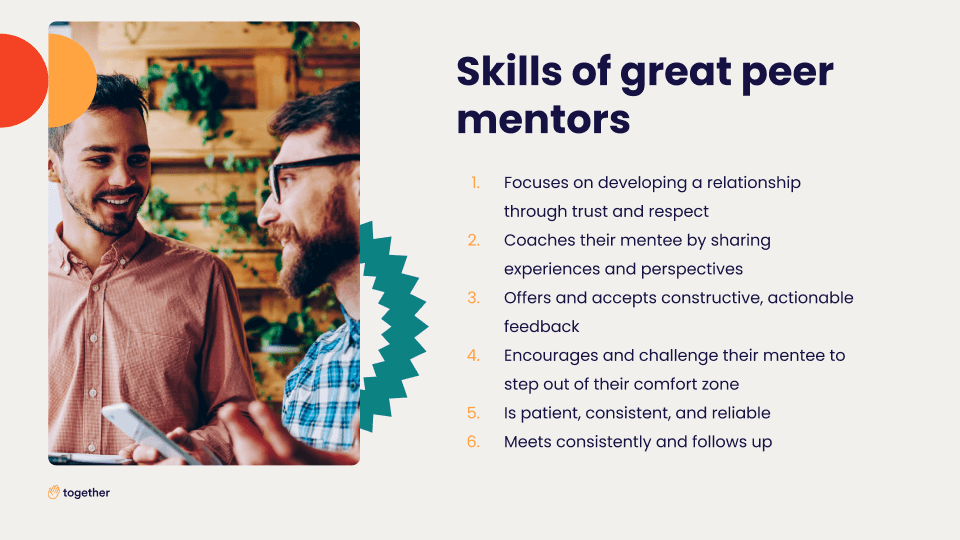
4. Peer Mentors: Peer mentors are fellow students who have excelled academically or personally in alternative education settings. Their relatability can foster a strong sense of support and motivation among mentees.
Mentorship Programs in Alternative Schools
Many alternative schools recognize the importance of mentorship within their educational models and implement formal mentorship programs for their students. These programs often involve partnerships with local businesses or community organizations to connect students with suitable mentors.
These mentorship programs typically include regular meetings or check-ins between mentors and mentees to discuss progress, set goals, address challenges, and celebrate achievements. Mentorship activities may also include workshops, seminars, field trips relevant to the student’s interests or career aspirations to enhance learning experiences beyond the classroom.
Building a Strong Mentor-Mentee Relationship
To establish a strong mentor-mentee relationship in alternative schooling settings:
1. Clear Communication: Both parties should openly communicate expectations from the beginning of the mentoring relationship regarding meeting frequencies, preferred modes of communication (in-person meetings vs virtual), availability outside scheduled sessions (email or phone calls), etc.
2. Goal Setting: Establishing clear goals helps align both mentor and mentee towards a common purpose while allowing room for individual growth objectives tailored specifically to each student’s needs.
3. Mutual Respect: A respectful attitude fosters trust between both parties involved in the mentoring relationship. Both mentor and mentee should value each other’s perspectives, experiences, and contributions.
4. Active Listening: Mentors should actively listen to their mentees’ concerns, challenges, and aspirations, providing empathetic support and guidance.
5. Feedback Loop: Regular feedback loops ensure that the mentoring relationship remains beneficial and impactful for both parties involved. Openly discussing what is working well and areas that need improvement helps fine-tune the mentorship experience.
Role of Mentors in Personalized Learning
Mentors play a significant role in personalized learning within alternative education settings. They help students identify their strengths, weaknesses, learning preferences, and goals to design tailored learning plans. Mentors can suggest resources, activities or projects aligned with the student’s interests while offering ongoing guidance throughout the learning process.
Through personalized mentoring approaches like goal setting discussions or individual coaching sessions, mentors provide accountability to keep students motivated towards achieving their educational objectives. They also encourage self-reflection to foster metacognition – enabling students to understand how they learn best and make informed decisions about their educational journey.
Mentoring for Project-Based Learning
Project-based learning (PBL) is a popular approach in alternative education where students engage in hands-on projects that integrate multiple subjects and real-world applications. In this context,
mentors act as facilitators who guide students through project ideation,
planning, execution, evaluation stages.
They offer expertise related to the specific project topic,
provide feedback on progress,
and challenge students’ thinking by asking thought-provoking questions.
Mentors help connect classroom knowledge with practical skills required for successful completion of projects while nurturing critical thinking abilities among mentees.
Peer Mentoring in Alternative Education Settings
Peer mentoring is an effective strategy often employed within alternative education communities due to its numerous benefits:
1.Increased Engagement: Peer mentors can relate more closely to other students because of similar age groups or shared experiences within alternative education environments.
2. Enhanced Social Skills: Peer mentors support the development of social skills, collaboration, and teamwork among students.
3. Emotional Support: Peer mentors provide a safe space for mentees to discuss personal challenges, anxieties or concerns they may not be comfortable sharing with adults.
4. Empowerment: Peer mentoring allows mentees to witness their peers’ achievements and successes, motivating them toward their own goals.
Mentorship is a valuable resource for alternative schooling families seeking additional support in their educational journey. Homeschooling families can connect with experienced homeschoolers who have successfully navigated the challenges and triumphs of educating children at home. These mentors can offer guidance on curriculum choices, scheduling flexibility, extracurricular activities, and other aspects specific to homeschooling.
Similarly, unschooling families can benefit from mentorship by connecting with individuals who have experience in self-directed learning approaches. Mentors can share insights on balancing freedom of choice with foundational knowledge acquisition while guiding parents on facilitating their child’s exploration of interests.
Mentoring for Students With Special Needs in Alternative Schools
Students with special needs often thrive in alternative education settings that provide personalized attention and tailored strategies to meet their unique requirements. In these environments,
mentors play an essential role in providing specialized support,
offering individualized strategies,
and assisting students in achieving academic success while addressing any additional challenges they may face.
Mentors collaborate closely with teachers, therapists,
and parents to ensure cohesive support systems are in place for students’ holistic development.
Mentoring for Gifted and Talented Students in Alternative Education
Alternative education options often attract gifted and talented students seeking more challenging opportunities than provided by traditional schooling models. Mentors serve as catalysts for these students’ growth by:
1.Identifying potential areas of interest where talents can be nurtured further
2.Providing enrichment activities beyond regular coursework
3.Introducing advanced concepts or projects aligned with the student’s intellectual capabilities
4.Supporting the development of critical and creative thinking skills.
Mentorship Strategies for Self-Directed Learning
Self-directed learning is a cornerstone of many alternative education philosophies. Mentors play a crucial role in guiding students through this process by:
1.Facilitating goal setting and action planning, helping students take ownership of their learning.
2.Providing resources, tools, and guidance to support independent exploration.
3.Offering feedback and constructive criticism to promote self-reflection and improvement.
4.Encouraging metacognition – reflecting on how one learns best – enabling students to make informed decisions about their educational journey.
Mentoring to Support Social-Emotional Development in Alternative Schooling
Alternative education models often prioritize holistic development, including social-emotional growth. Mentors play an integral part in supporting students’ emotional well-being by:
1.Building trust-based relationships where mentees feel comfortable expressing emotions.
2.Actively listening and validating feelings while offering empathetic support.
3.Teaching coping strategies for managing stress or conflict resolution skills.
4.Encouraging self-awareness, resilience-building activities,
and fostering positive mindset approaches.
Mentorship as a Tool to Enhance Creativity and Innovation in Education Alternatives
In alternative schooling settings that emphasize creativity and innovation,
mentors serve as guides who inspire out-of-the-box thinking,
encourage risk-taking,
and challenge conventional wisdom.
They provide opportunities for mentees to explore new ideas,
experiment with different approaches,
and develop innovative problem-solving skills within their chosen fields.
The Impact of Mentorship on Academic Success in Non-Traditional Settings
Research consistently shows that mentorship significantly impacts academic success among students engaged in non-traditional education approaches. A strong mentoring relationship boosts motivation, engagement levels, retention rates, overall satisfaction with the educational experience while fostering skill development necessary for future success.
Mentoring for Career Exploration and Vocational Training
Alternative education models often prioritize career exploration and vocational training. Mentors can:
1.Share insights into various career paths,
2.Provide guidance on educational requirements or certifications needed for different professions.
3.Offer opportunities for job shadowing, internships, or apprenticeships to gain practical experience.
Mentorship to Foster Entrepreneurial Skills in Alternative Education
Many alternative education programs promote entrepreneurial skills development among students. Mentors with experience in entrepreneurship can:
1.Guidance on business planning,
2.Insights into marketing strategies,
3.Financial management advice,
4.Network connections within relevant industries.
Cultivating Leadership Through Mentorship in Alternative Schooling
Mentoring plays a pivotal role in nurturing leadership qualities among students engaged in alternative schooling. Mentors guide mentees through activities that enhance leadership skills such as:
1.Communication and collaboration
2.Problem-solving and decision-making
3.Critical thinking and emotional intelligence
4.Public speaking and presentation abilities.
The Role of Mentors in Promoting Inclusivity and Diversity Within Alternative Education Communities
Inclusive communities thrive when diverse perspectives are valued, respected, and celebrated. Mentors play a vital role by fostering inclusivity within alternative education communities through:
1.Supporting the integration of students from diverse backgrounds.
2.Encouraging empathy, understanding, and respect for cultural differences.
3.Promoting equity by ensuring equal access to resources,
opportunities regardless of race, gender identity,
sexual orientation or socioeconomic status.
Conclusion
Mentorship is an invaluable aspect of alternative schooling that supports students’ holistic growth, academic success, personal development while preparing them for future endeavors. Finding the right mentor involves considering compatibility, expertise alignment with individual needs. Whether it’s subject matter experts guiding personalized learning journeys or peer mentors providing relatable support mechanisms—mentorship enhances creativity innovation promotes inclusivity diversity sparks lifelong curiosity love learning
 Alternative Amie
Leave a comment