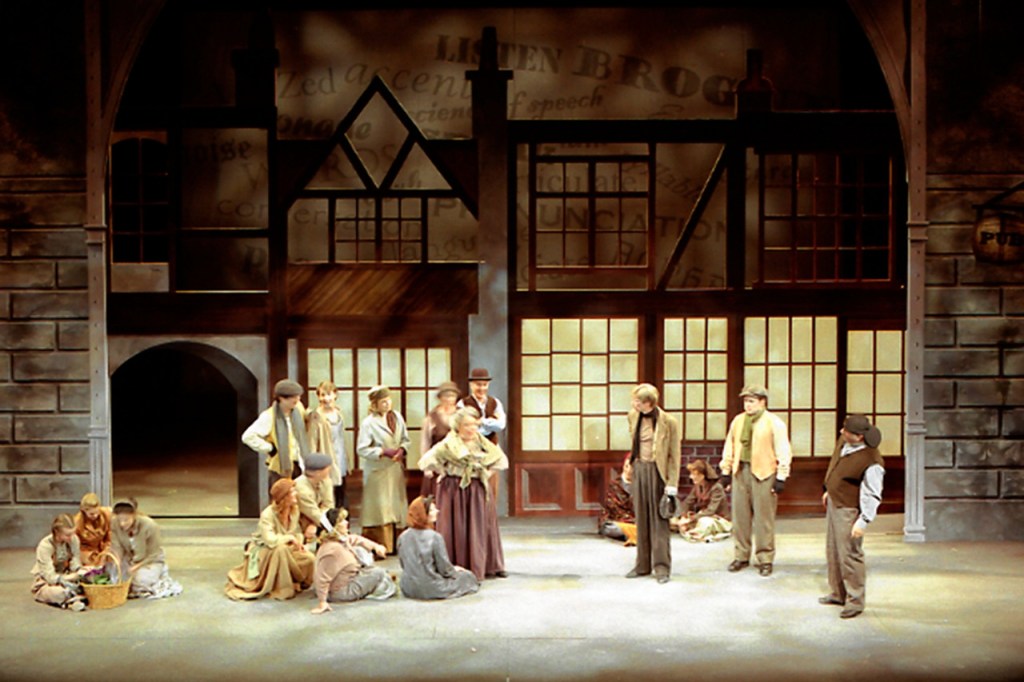
Participating in Community Theater or Arts Programs: An Enriching Educational Experience
Community theater and arts programs offer a multitude of benefits for individuals of all ages. Engaging in these activities not only provides an outlet for creative expression but also fosters personal growth, social interaction, and a sense of belonging within the community. In this article, we will explore the numerous advantages of participating in community theater or arts programs as an alternative form of education.
1. Creative Expression
One of the primary benefits of engaging in community theater or arts programs is the opportunity to express oneself creatively. Whether it’s through acting on stage, painting, dancing, sculpting, or playing a musical instrument, these activities provide an avenue for individuals to explore their imagination and showcase their unique talents. By nurturing creativity, participants develop problem-solving skills and learn to think outside the box – skills that are highly valued in today’s ever-changing world.
2. Personal Growth
Participating in community theater or arts programs nurtures personal growth by building self-confidence and self-esteem. When individuals step out of their comfort zones to perform on stage or display their artwork publicly, they overcome fears and insecurities while developing resilience in facing challenges head-on. Moreover, constructive feedback from instructors and fellow participants helps individuals identify areas for improvement and encourages them to strive for excellence.
3. Communication Skills
Theater plays a crucial role in developing effective communication skills among participants. Through acting roles or interacting with other cast members during rehearsals, individuals learn how to express themselves clearly both verbally and nonverbally. They acquire the ability to articulate emotions convincingly while understanding the importance of active listening – traits that are invaluable not only on stage but also throughout life.
4. Collaboration & Teamwork
In community theater productions or group art projects, collaboration is key to success. Participants must work together harmoniously towards a common goal – be it staging a play or organizing an exhibition – requiring them to develop teamwork skills, compromise, and respect others’ ideas. Through this collaborative process, individuals learn the value of cooperation and gain a sense of camaraderie that extends beyond the theater or art studio.
5. Cultural Appreciation
Engaging in community theater or arts programs provides an opportunity to explore and appreciate different cultures. Theater productions often involve plays from various eras and regions, allowing participants to immerse themselves in diverse stories and characters. Similarly, art classes may expose individuals to different artistic styles and techniques from around the world. This exposure fosters cultural awareness, empathy, and a broader understanding of society as a whole.
6. Emotional Outlet
Artistic endeavors serve as powerful emotional outlets for participants. They provide an avenue for individuals to channel their emotions – be it joy, sorrow, anger, or excitement – into their performances or artwork. Expressing these feelings creatively not only helps individuals cope with life’s ups and downs but also allows them to connect with audiences on a deep emotional level.
7. Academic Enhancement
Participating in community theater or arts programs can have positive effects on academic performance as well. Studies have shown that students involved in creative activities often exhibit higher levels of focus, problem-solving abilities, critical thinking skills, and overall academic achievement compared to those who do not engage in such pursuits regularly.
8. Social Interaction & Community Engagement
Community theater groups and arts organizations bring together people from all walks of life who share a common interest: creativity. By participating in these programs, individuals form connections with like-minded peers who support each other’s growth while fostering strong friendships along the way. Moreover, engaging with the local community through performances or exhibitions builds bridges between artists and audience members – strengthening social bonds within the neighborhood.
9. Lifelong Learning & Career Opportunities
Participating in community theater or arts programs can ignite lifelong passions for many individuals while opening up potential career pathways within the creative industry. These programs serve as a springboard for further education and training, enabling participants to pursue careers in acting, music, dance, fine arts, or even teaching. Even if individuals do not choose artistic professions, the skills acquired through these programs – such as creativity, communication, collaboration, and problem-solving – are transferable to various other fields.
In conclusion, participating in community theater or arts programs offers a plethora of educational benefits beyond traditional schooling. From fostering creative expression and personal growth to developing communication skills and promoting cultural appreciation, these activities provide a holistic learning experience that nurtures well-rounded individuals. So why not explore the vibrant world of community theater or arts programs today?
 Alternative Amie
Leave a comment