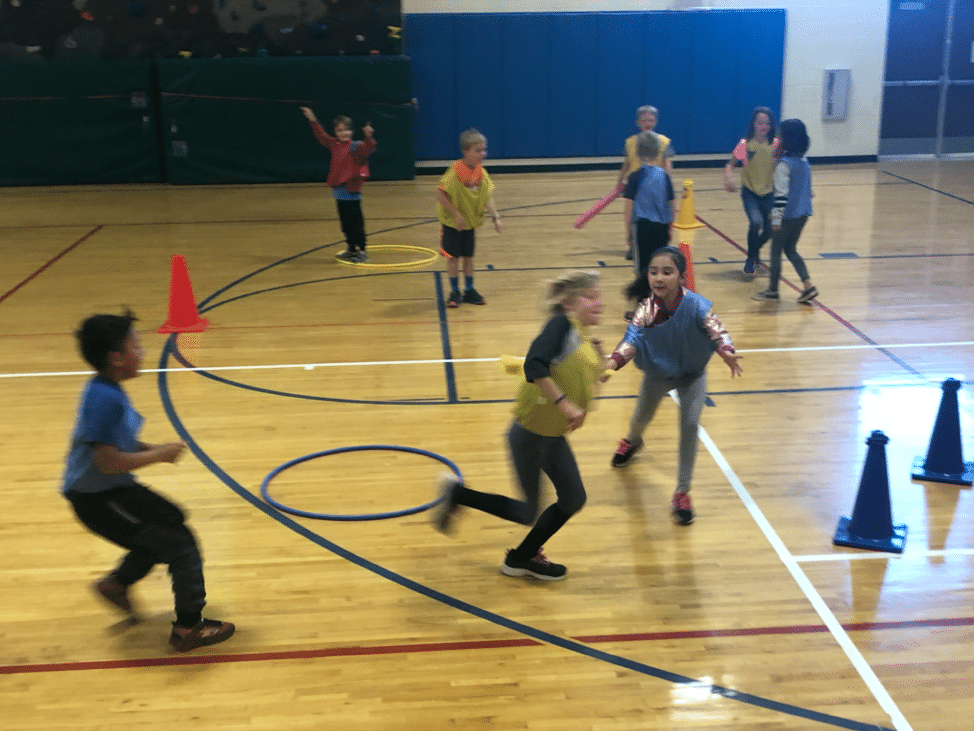
Cooperative Learning in Physical Education Classes: Promoting Teamwork and Skill Development
Cooperative learning is an educational approach that emphasizes collaboration, teamwork, and active participation among students. While it is commonly associated with academic subjects, such as math or science, cooperative learning can also be effectively implemented in physical education classes. This approach not only enhances social interaction but also promotes skill development, problem-solving abilities, and overall engagement of students.
In traditional physical education settings, individual performance often takes precedence over team efforts. However, by incorporating cooperative learning strategies into these classes, educators can create a more inclusive and supportive environment where all students have the opportunity to contribute and succeed together.
One of the main benefits of cooperative learning in physical education is the promotion of teamwork skills. Through collaborative activities such as group sports or fitness challenges, students learn how to communicate effectively with their peers, listen to others’ ideas and perspectives, negotiate differences in opinion or strategy, and work towards a common goal. These skills are not only valuable on the sports field but also transferable to various aspects of life outside the classroom.
Moreover, cooperative learning fosters positive interdependence among students. In a cooperative setting, each member’s success is intertwined with that of their teammates. This shared responsibility encourages individuals to support one another’s progress rather than compete against each other. By working together towards achieving a collective objective – be it winning a game or completing a challenging obstacle course – students develop empathy and learn the significance of cooperation for overall success.
Another advantage of implementing cooperative learning strategies in physical education classes is its impact on skill development. Traditional teaching methods often focus solely on technical aspects without considering how interpersonal dynamics can influence performance. Cooperative activities allow for more extensive practice opportunities as they involve multiple repetitions without causing fatigue or disengagement typically experienced during isolated drills.
Furthermore
 Alternative Amie
Leave a comment