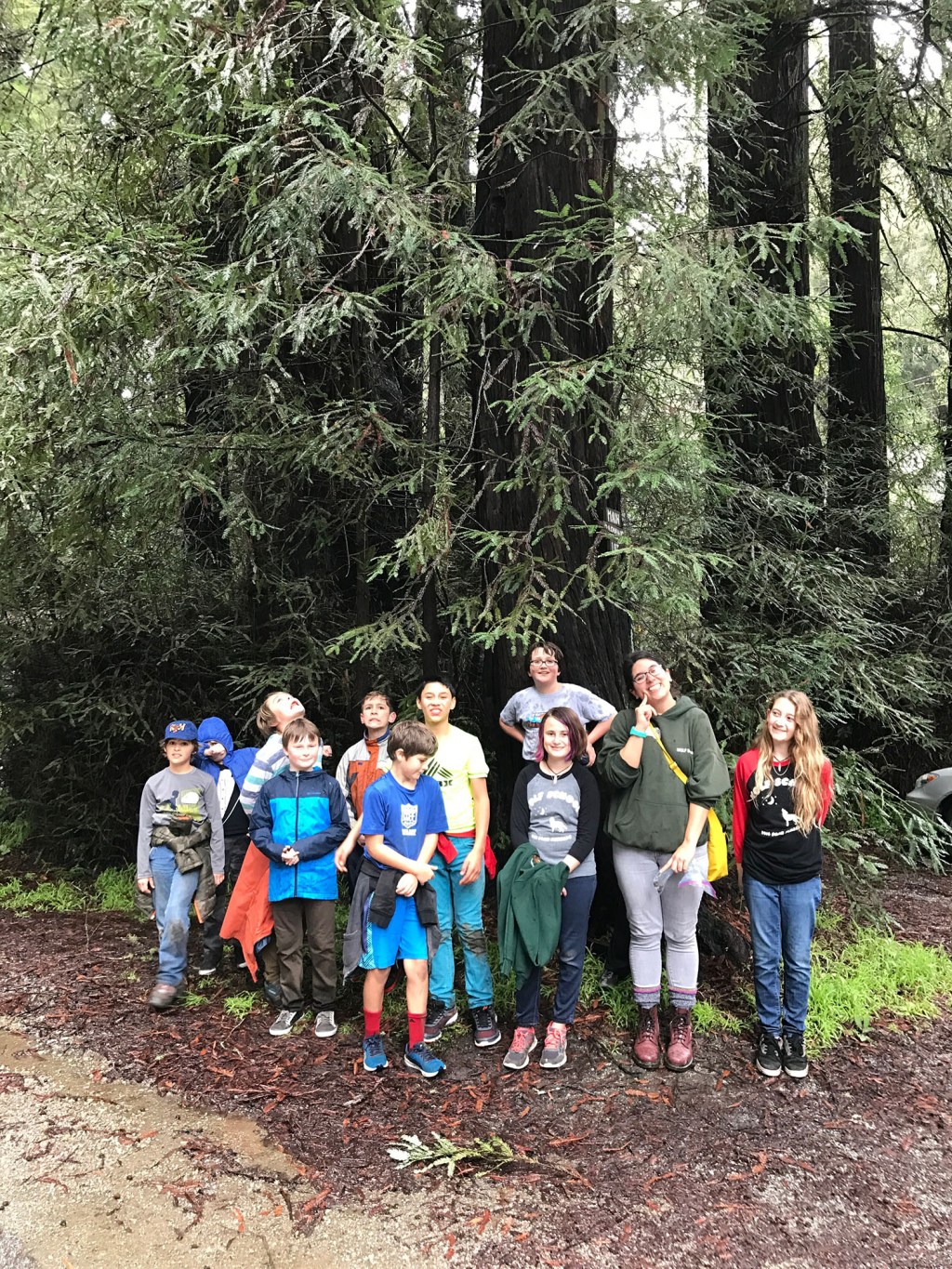
Outdoor and adventure education: Where learning meets excitement
Traditional classroom settings can sometimes feel like a never-ending cycle of textbooks, desks, and lectures. But what if we told you there’s an alternative way to learn that involves exploring the great outdoors and embarking on exciting adventures? Welcome to the world of outdoor and adventure education!
Imagine studying history while hiking through ancient ruins or learning about biology by observing wildlife in their natural habitats. Outdoor and adventure education offers a unique approach to learning that not only engages students but also allows them to fully immerse themselves in their subjects.
One of the greatest benefits of outdoor and adventure education is its ability to make learning fun. When was the last time you heard a student complain about going on a field trip? Probably never! That’s because these experiences provide hands-on learning opportunities that are far more memorable than reading from a textbook.
But it’s not just about having fun; outdoor and adventure education also fosters personal growth. Facing challenges in nature helps students build resilience, problem-solving skills, and confidence. Whether it’s conquering fears during a high ropes course or navigating through challenging terrain during a backpacking trip, these experiences push students out of their comfort zones and teach them valuable life lessons.
Moreover, outdoor and adventure education promotes physical activity and overall well-being. In an era where sedentary lifestyles dominate our daily routines, providing opportunities for students to be active while learning is essential. Hiking, rock climbing, kayaking – these activities not only get students moving but also help them develop healthy habits that can last a lifetime.
Another advantage of this type of education is its ability to foster teamwork and cooperation among students. Many outdoor activities require collaboration with peers to achieve common goals. From setting up camp together to working as a team during group challenges, students learn how to communicate effectively, solve problems collectively, and support one another.
In addition to academic subjects like science or history, outdoor and adventure education can also teach valuable life skills. Survival techniques, first aid knowledge, and environmental awareness are just a few examples of the practical skills students can gain through these experiences. These skills not only contribute to their personal growth but also prepare them for real-life situations.
Furthermore, outdoor and adventure education provides a break from technology-driven learning. In today’s digital age, where screens dominate our lives, spending time outside without distractions allows students to connect with nature and truly be present in the moment. This break from technology can improve focus, reduce stress levels, and enhance overall mental well-being.
So whether it’s hiking in national parks or participating in wilderness survival programs, outdoor and adventure education offers a refreshing approach to learning that combines excitement with academic enrichment. It’s an opportunity for students to experience the world firsthand while developing crucial skills that will benefit them throughout their lives.
Incorporating more outdoor and adventure education into traditional schooling systems could revolutionize the way we view education as a whole. By stepping out of classrooms and exploring the wonders of nature, we can provide students with unforgettable learning experiences that inspire curiosity, ignite passion, and create lifelong learners ready to take on any challenge that comes their way.
 Alternative Amie
Leave a comment