Gamification: Making Learning Fun and Engaging
Education has come a long way from the traditional methods of rote memorization and standardized testing. As society evolves, so does our understanding of how individuals learn best. One innovative approach that has gained momentum in recent years is gamification – the integration of game design elements into non-game contexts, such as education. By harnessing the power of games, educators are creating an environment where learning becomes fun, engaging, and meaningful for students.
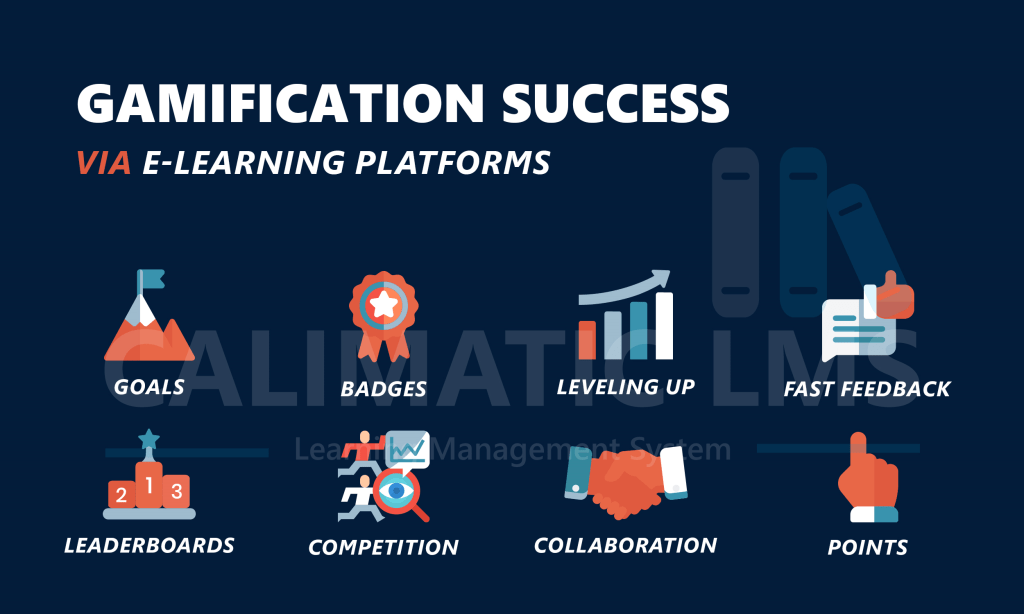
Games have always captivated us with their ability to entertain and challenge us. Whether it’s solving puzzles, overcoming obstacles or competing against others, games tap into our natural inclination for exploration and problem-solving. Gamification takes this inherent motivation and applies it to educational settings by incorporating game mechanics like points, levels, achievements, leaderboards, rewards systems, and narratives into the learning process.
One key benefit of gamification is increased student engagement. Traditional classroom environments often struggle to capture students’ attention fully. However, when elements such as competition or rewards are introduced through gamified experiences within education, students become more motivated to participate actively in their own learning journey.
Through carefully designed challenges that align with curriculum objectives or specific skill development goals, educators can create immersive learning experiences that keep students hooked on their educational journey. For example, a language teacher might design a vocabulary-building app where students earn points for correctly identifying words or phrases from different contexts. The competitive nature of earning points encourages repeated attempts at mastery while also providing instant feedback on progress.
Gamification also promotes active participation by fostering collaboration among students. Many educational games incorporate multiplayer features that allow learners to work together towards common goals or even compete against each other in friendly competitions. This collaborative aspect not only enhances social interactions but also nurtures important skills like teamwork and communication – both essential in today’s interconnected world.
Another advantage of gamified learning is its ability to personalize instruction according to each student’s needs and pace. Traditional classroom settings often follow a one-size-fits-all approach, which can leave some students feeling overwhelmed or bored. However, gamification allows for adaptive learning experiences that adjust based on individual progress.
By tracking student performance and analyzing data collected during gameplay, educators can gain valuable insights into each student’s strengths, weaknesses, and learning preferences. This information can then be used to tailor instruction to meet the specific needs of each learner. Adaptive learning systems provide targeted feedback and recommendations for further practice or exploration, ensuring that every student receives personalized attention.
Moreover, gamification helps foster a growth mindset among learners – the belief that intelligence and abilities are not fixed but can be improved through effort and practice. Games inherently promote this mindset by presenting challenges as opportunities for growth rather than insurmountable obstacles.
When students encounter setbacks in games, they are encouraged to try again until they succeed. This resilience carries over into other aspects of their lives, including academics. By reframing mistakes as stepping stones towards improvement rather than failures to be avoided at all costs, gamified education cultivates a positive attitude towards learning and personal development.
Despite these numerous benefits of gamification in education, it is essential to strike a balance between game elements and educational content. While games can enhance engagement and motivation levels in learners, excessive focus on rewards or competition may overshadow the actual learning objectives.
Educators must ensure that game mechanics serve as tools to support academic goals rather than distract from them. The design should always prioritize meaningful learning experiences while incorporating enjoyable elements from games into the mix.
As technology continues to advance rapidly, gamification has become more accessible with various digital platforms offering ready-to-use educational games or even allowing teachers to create their own customized experiences tailored specifically for their students’ needs.
In conclusion, gamification offers an exciting avenue for alternative schooling approaches by making learning fun and engaging for students of all ages. Through integrating game design elements like points systems, rewards, and challenges into educational contexts, educators can tap into students’ natural motivation to explore and learn. By fostering engagement, collaboration, personalization, and a growth mindset, gamified education not only enhances academic outcomes but also equips learners with crucial skills for success in the 21st century. So let’s embrace this innovative approach and level up our learning journey!
 Alternative Amie
Leave a comment