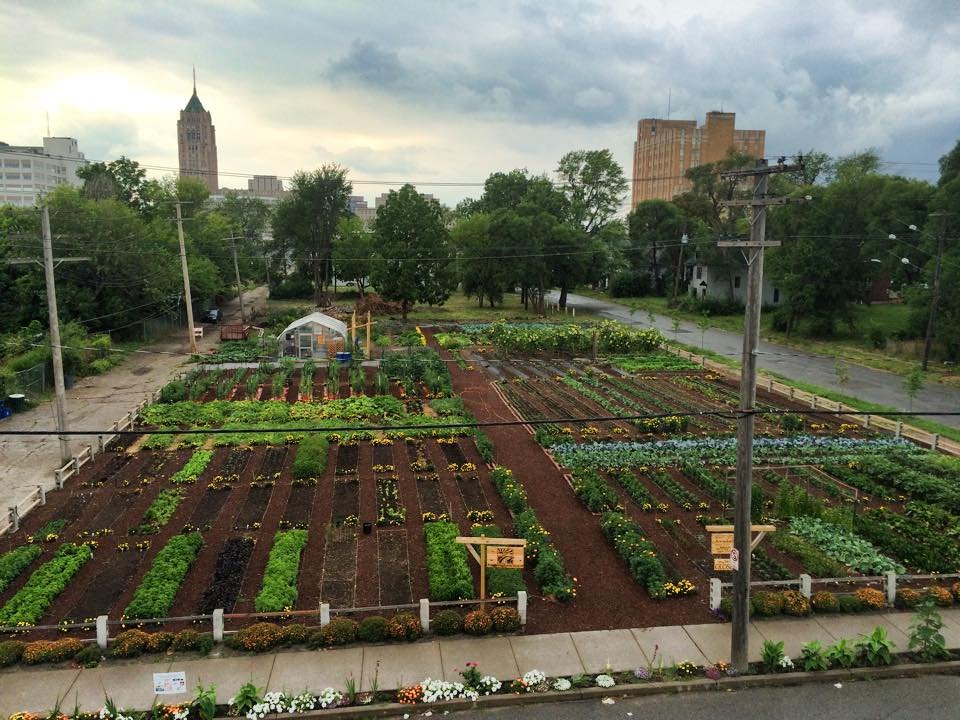
Urban farming initiatives have gained significant traction in recent years as more people recognize the importance of sustainable and locally sourced food. These projects not only contribute to food security but also provide educational opportunities, promote community engagement, and foster a sense of environmental responsibility. In this article, we will explore some notable urban farming initiatives from around the world that are making a positive impact on local communities.
One prominent example is The Brooklyn Grange in New York City. With two rooftop farms spanning over 2.5 acres, it is one of the largest rooftop soil-based farms in the world. The farm produces over 50,000 pounds of organically grown produce annually, which is supplied to restaurants, farmers’ markets, and CSA (Community Supported Agriculture) members throughout the city. Additionally, The Brooklyn Grange hosts workshops and educational programs for students and adults alike to learn about sustainable agriculture practices.
Moving across continents to Singapore, where land scarcity has led to innovative solutions such as vertical farming. Sky Greens is an urban farm that utilizes vertical hydroponic systems to maximize space efficiency while minimizing water usage compared to traditional soil-based farming methods. By stacking their vegetable beds vertically on rotating towers powered by solar energy, they can grow leafy greens like bok choy and spinach year-round without relying on pesticides or chemical fertilizers.
In France’s capital city Paris, La Recyclerie stands out as a unique urban farming initiative housed within a former railway station turned community center. This project combines urban agriculture with upcycling principles by repurposing waste materials into functional objects for gardening purposes while cultivating vegetables onsite using organic methods. Visitors can participate in gardening workshops or enjoy fresh produce at the cafe-restaurant located within the facility.
Shifting our focus towards South Africa brings us to Abalimi Bezekhaya (“Farmers of Home” in Xhosa), an organization based in Cape Town that empowers individuals from marginalized communities through urban agriculture. Abalimi Bezekhaya provides training, resources, and support to aspiring urban farmers, helping them establish and sustain their own micro-farms. Through initiatives like community gardens and food cooperatives, this organization fosters self-sufficiency and economic empowerment within disadvantaged neighborhoods.
In Canada’s largest city, Toronto, the Fresh City Farms initiative is tackling urban farming from multiple angles. They operate an organic farm located just outside the city that supplies fresh produce directly to their members through a weekly delivery service. Fresh City Farms also runs several “Market Garden” sites within the city where they grow vegetables on small plots of land leased from local homeowners. These urban farms not only provide locally grown food but also create green spaces in otherwise concrete-dominated neighborhoods.
Heading south to Mexico City reveals another inspiring project called Bosque de Chapultepec Urban Orchard. This initiative aims to transform unused public spaces into productive orchards while promoting biodiversity and sustainable agriculture practices. With more than 2,500 fruit trees planted across various locations in the city, the project engages volunteers in tree planting events and offers workshops on topics such as composting and permaculture.
Taking us back to Europe, Berlin’s Prinzessinnengärten (Princess Gardens) showcases how vacant lots can be transformed into vibrant community spaces for urban farming. Founded in 2009 on a disused plot of land by activists searching for sustainable solutions within urban environments, Prinzessinnengärten has become a symbol of grassroots gardening movements worldwide. The space features raised beds made from recycled materials where people can grow their own vegetables or participate in educational programs centered around ecological awareness.
Lastly, we venture over to Japan where rooftop farming has gained popularity due to limited arable land availability. One notable example is Pasona O2 located in downtown Tokyo—a high-rise office building with an entire floor dedicated to indoor farming using hydroponic systems with LED lighting technology. Employees get the opportunity to cultivate and harvest fresh vegetables during their breaks, fostering a stronger connection with nature while promoting sustainable practices within an urban setting.
These urban farming initiatives demonstrate the potential for transforming city landscapes into productive and sustainable environments. By integrating agriculture into urban spaces, communities can reconnect with their food sources, reduce transportation emissions associated with long-distance food supply chains, promote biodiversity, and foster a sense of environmental stewardship. As these projects continue to flourish globally, they inspire individuals and communities worldwide to embrace alternative approaches to food production and education.
 Alternative Amie
Leave a comment