In today’s fast-paced and consumer-driven world, it can be challenging to save money. With so many temptations and advertisements urging us to spend, it’s important to develop good financial habits early on. Teaching children the value of saving money is an essential life skill that will serve them well in the future. Alternative schooling and education provide a unique opportunity for parents and educators to instill these principles in a practical and engaging way.
One effective approach to teaching children about saving money is by introducing the concept of budgeting. By allocating specific amounts for different expenses, kids can learn how to prioritize their spending while also setting aside some savings. This hands-on experience helps them understand how choices impact their finances and encourages responsible decision-making.
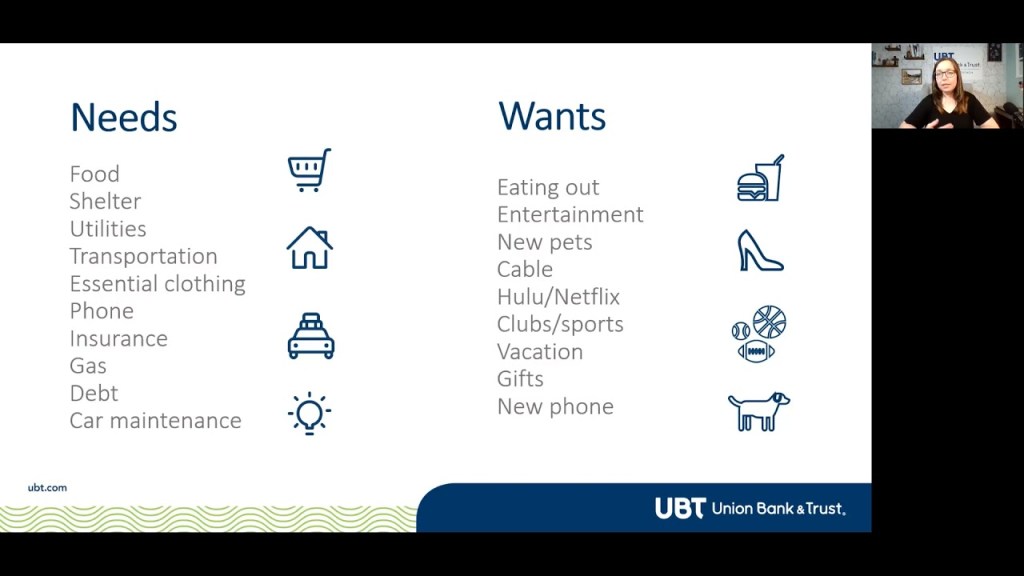
Another valuable lesson can be taught through a “wants versus needs” discussion. Children often have difficulty distinguishing between what they truly need versus what they desire at any given moment. Engaging students in conversations about wants versus needs allows them to reflect on their own priorities and encourages mindful spending habits.
Alternative schooling environments often encourage experiential learning, which lends itself perfectly to teaching financial literacy skills such as saving money. Mock stores or marketplaces can be set up where children use pretend currency to purchase items. This activity not only enhances math skills but also teaches children about the importance of comparing prices, making informed choices, and even negotiating when appropriate.
Furthermore, alternative schools frequently incorporate real-world experiences into their curriculum by organizing field trips or inviting guest speakers from various professions. These opportunities open doors for discussions around careers, salaries, and financial planning – all crucial aspects of understanding the value of saving money.
Engaging students in age-appropriate activities centered around entrepreneurship is another effective method used in alternative education settings. Encouraging young minds to start small businesses or engage in fundraising projects provides firsthand experience with earning income and managing finances responsibly.
Financial literacy programs offered within alternative schools often go beyond basic concepts like budgeting and saving. They also delve into more advanced topics like investing, compound interest, and understanding the stock market. These programs equip students with comprehensive financial knowledge that will prove invaluable as they navigate their personal finances in adulthood.
Alternative schools can also partner with local banks or credit unions to offer student banking programs. These initiatives provide children with hands-on experience managing bank accounts, depositing money, and even earning interest on savings. Such partnerships foster a sense of responsibility while encouraging long-term saving habits.
By implementing these strategies within alternative schooling and education systems, children are equipped with valuable skills that extend beyond just saving money. They develop critical thinking abilities, learn how to make informed decisions about spending habits, and gain confidence in managing their own finances.
In conclusion, teaching children the importance of saving money is an essential life skill that should not be overlooked. Alternative schooling and education offer unique opportunities for parents and educators to instill these principles effectively through experiential learning activities such as budgeting exercises, wants versus needs discussions, entrepreneurship experiences, and financial literacy programs. By equipping our children with practical knowledge about handling money responsibly from an early age, we set them up for a lifetime of financial success.
 Alternative Amie
Leave a comment