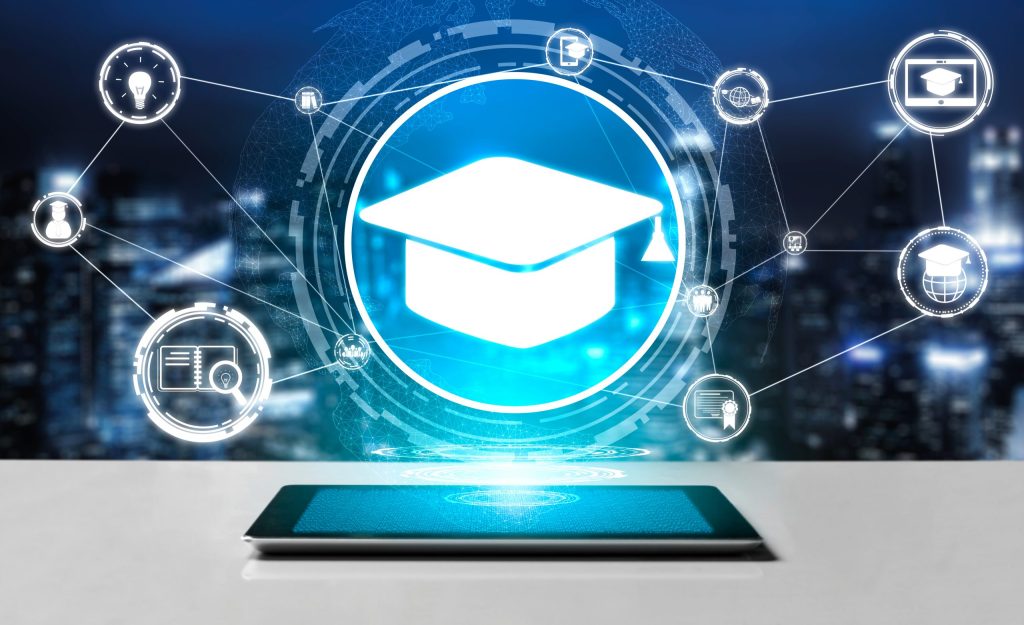
In today’s rapidly evolving world, technology has become an integral part of our daily lives. From smartphones and tablets to virtual reality and artificial intelligence, technological advancements have transformed the way we communicate, work, learn, and even play. While some may argue that excessive reliance on technology is detrimental to education, I believe that when used effectively, it can greatly enhance alternative schooling and education.
One of the key benefits of incorporating technology into alternative schooling is the ability to personalize learning experiences for students. Traditional classrooms often follow a one-size-fits-all approach where teachers deliver standardized lessons to a large group of students with varying needs and abilities. However, with technology at their fingertips, educators can now tailor instruction based on individual student interests and capabilities.
For instance, adaptive learning software analyzes students’ strengths and weaknesses in real-time. It then provides personalized content and activities that cater specifically to each student’s unique requirements. This level of personalization ensures that no child is left behind or held back by the pace of their peers. Students are empowered to learn at their own speed while receiving targeted support in areas where they struggle.
Furthermore, technology offers various multimedia resources such as videos, interactive simulations, virtual labs, podcasts, e-books etc., which engage learners in ways traditional textbooks cannot match. These digital tools make complex concepts more accessible by presenting them visually or through interactive platforms that encourage active participation.
Virtual reality (VR) takes this concept even further by creating immersive educational experiences. With VR headsets like Oculus Rift or Google Cardboard combined with educational apps or programs designed specifically for them; students can explore historical landmarks from different eras; dive deep into marine ecosystems; visit outer space; or witness historical events firsthand from various perspectives — all from the comfort of their classroom.
Additionally, online platforms offer opportunities for collaborative learning beyond geographical limitations. Students enrolled in alternative schools often come from diverse backgrounds or remote locations where access to quality education may be limited. Technology bridges this gap by connecting students and educators globally, fostering cross-cultural understanding and providing a platform for sharing ideas.
Online discussion forums, video conferences, and collaborative projects allow students to work together on assignments or engage in meaningful debates without the constraints of physical proximity. This kind of interaction not only enhances their knowledge but also develops important skills such as communication, teamwork, critical thinking, and empathy — all essential in today’s interconnected world.
Moreover, technology equips students with the tools necessary to develop vital digital literacy skills. In an era where information is readily available at our fingertips, it is crucial for young learners to navigate through vast amounts of data critically. By teaching them how to evaluate sources for reliability; fact-checking; discerning credible information from fake news; analyzing data sets; or even coding—technology prepares them for the challenges they will face both academically and professionally.
Furthermore, technology facilitates continuous assessment and feedback systems that empower both teachers and students. Traditional exams often fail to capture a student’s true potential due to various factors such as test anxiety or limited timeframes. However, online quizzes or adaptive learning platforms provide immediate feedback allowing teachers to identify areas where students are struggling in real-time.
This allows educators to adapt their teaching strategies accordingly while giving students a chance to review concepts before moving forward. The ability to monitor progress regularly helps identify gaps in knowledge early on so that remedial measures can be taken promptly rather than waiting until the end of a semester when catching up becomes more challenging.
Despite these advantages, it is crucial not to overlook some valid concerns regarding technology’s role in alternative schooling. One concern revolves around screen time and its potential negative impact on children’s health and wellbeing. Excessive use of screens has been associated with issues like eye strain, sleep disruption due to blue light exposure before bedtime, sedentary lifestyles leading to obesity etc.
To address these concerns adequately, it is imperative for schools incorporating technology to design and implement guidelines that promote responsible screen usage. Encouraging regular breaks, promoting physical activities, and providing resources for parents on managing their child’s technology use at home are essential steps in ensuring a healthy balance between digital engagement and overall wellbeing.
Additionally, it is crucial to acknowledge that technology should not replace the role of educators entirely. While technology can provide personalized instruction and facilitate self-paced learning, the guidance of skilled teachers remains invaluable. Teachers play a significant role in motivating students, fostering curiosity, facilitating meaningful discussions, and providing social-emotional support — aspects that technology cannot replicate.
In conclusion, when utilized effectively with proper guidance and moderation, technology has the potential to greatly enhance alternative schooling and education. By personalizing learning experiences through adaptive software; offering multimedia resources; enabling virtual reality experiences; connecting learners globally; developing digital literacy skills; facilitating continuous assessment; and providing immediate feedback — students are better equipped to thrive in an ever-evolving world.
However, it is vital for schools to address concerns regarding excessive screen time by implementing responsible usage guidelines. Furthermore, educators must continue playing an active role alongside technology by nurturing critical thinking skills, emotional intelligence development, and fostering a sense of community within alternative schooling environments.
By embracing technology as a valuable tool rather than fearing its influence or relying excessively on it—we can create more engaging educational experiences that empower students to reach their full potential while preparing them for success in the 21st century.
 Alternative Amie
Leave a comment