Design Thinking in Project-Based Learning:
Project-based learning (PBL) is an effective teaching approach that actively engages students in real-world, hands-on experiences. It provides opportunities for students to collaborate, problem-solve, and apply their knowledge and skills to meaningful projects. One pedagogical framework that enhances the effectiveness of PBL is design thinking.
Design thinking is a human-centered approach to problem-solving that focuses on empathy, experimentation, and iteration. It involves identifying a problem or challenge, understanding the needs of the users or stakeholders involved, brainstorming creative solutions, prototyping and testing those solutions, and refining them based on feedback.
Incorporating design thinking into PBL helps students develop critical thinking skills while addressing complex problems. By following the design thinking process, students learn to think innovatively and come up with unique solutions. They also gain valuable insights into the needs and perspectives of others as they engage in empathetic research.
Authentic Assessments for Project-Based Learning:
Assessing student learning in project-based settings can be challenging because traditional assessments often fall short in capturing the multifaceted nature of student work. Authentic assessments provide a more comprehensive approach by evaluating not only content knowledge but also skills such as critical thinking, creativity, collaboration, and communication.
One example of an authentic assessment method is a portfolio review. Students compile evidence of their learning throughout the project and reflect on their growth over time. Portfolios allow students to showcase their best work while providing insights into their thought processes and decision-making.
Another authentic assessment strategy is peer evaluation. In this approach, students assess each other’s contributions using predetermined criteria or rubrics. Peer evaluation promotes self-reflection and offers opportunities for constructive feedback from peers who have experienced similar challenges during the project.
Integrating Technology into Project-Based Learning:
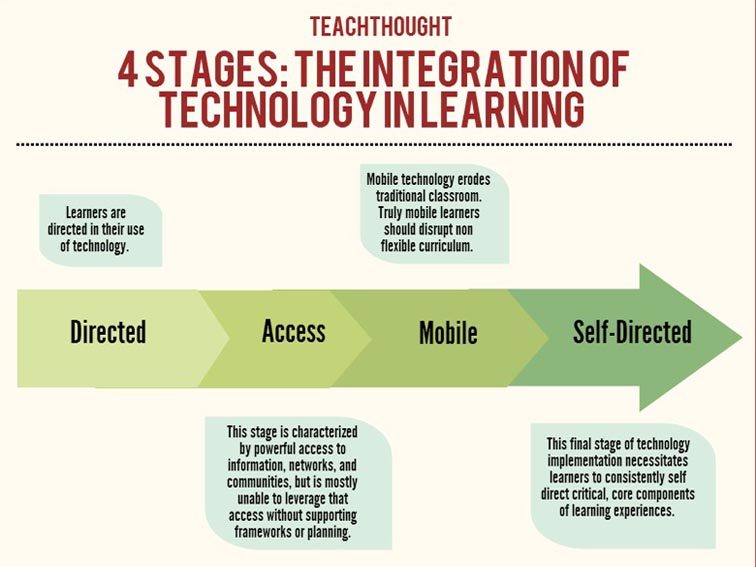
Technology plays a crucial role in supporting project-based learning by providing tools for research, collaboration, creation, presentation, and reflection. With access to a variety of digital resources, students can explore topics more deeply and engage with authentic audiences beyond the classroom.
Technology tools such as online databases, virtual simulations, and multimedia creation software enable students to gather information from diverse sources and present their findings in compelling ways. Online collaboration platforms allow for seamless teamwork, even when students are physically distant.
Furthermore, technology facilitates ongoing feedback and reflection. Digital portfolios or blogs provide spaces for students to document their progress throughout the project and receive comments from peers or teachers. These reflective practices enhance metacognitive skills and promote continuous improvement.
Project-Based Learning for Social-Emotional Development:
While academic content is important, project-based learning also offers opportunities for social-emotional development. Through collaborative projects that require teamwork, communication, negotiation, and conflict resolution, students develop essential interpersonal skills.
By working on real-world projects that address community needs or global issues, students gain a sense of purpose and empathy towards others. They learn about social justice issues and develop an understanding of how their actions can make a positive impact on society.
Teachers can intentionally incorporate activities that foster self-awareness, self-management, social awareness, relationship skills, and responsible decision-making into project-based learning experiences. This holistic approach supports the development of well-rounded individuals who are not only academically competent but also socially aware citizens.
Project-Based Learning in STEM Education:
STEM education emphasizes the integration of science, technology
engineering,
and mathematics concepts through hands-on experiences.
Project-based learning is particularly effective in STEM education because it allows students to apply these concepts in authentic contexts.
By engaging in open-ended problem-solving tasks,
students develop critical thinking skills,
creativity,
and perseverance – all essential traits for success in STEM fields.
For example,
students may design a sustainable energy system for their school or investigate water pollution in their local river.
These projects involve researching scientific theories,
conducting experiments,
analyzing data,and designing prototypes
– all while collaborating with peers and experts in the field.
These experiences not only deepen students’ understanding of STEM concepts but also foster a passion for inquiry and innovation.
Project-Based Learning for Environmental Sustainability:
Incorporating project-based learning into environmental education allows students to become active participants in sustainable practices. Through hands-on projects, they develop an understanding of environmental issues and explore ways to address them.
For instance, students might design and implement a recycling program at their school or create a community garden that promotes sustainable agriculture. These projects require research, planning, collaboration, and critical thinking – all while fostering a sense of responsibility towards the environment.
Teachers can guide students to analyze the impact of their actions on local ecosystems and communities. They can also encourage reflection on personal habits and lifestyles that contribute to sustainability. By engaging in these projects, students learn about the interconnectedness of ecological systems and develop lifelong habits that promote environmental well-being.
Project-Based Learning in the Arts and Humanities:
Project-based learning is not limited to STEM subjects; it is equally effective in arts and humanities education. In fact, PBL offers opportunities for creativity, self-expression,
and interdisciplinary connections across various artistic disciplines such as visual arts,
music,
dance,
theater,
and literature.
Students may undertake projects like creating original artwork inspired by historical events or performing a play based on a classic novel. Such projects allow students to engage deeply with content knowledge while honing their artistic skills.
The integration of technology further enhances these experiences.
For example,
students may use digital tools
to compose music,
create digital art pieces
or produce short films.
By exploring different artistic mediums through project-based learning approaches,
students gain a deeper appreciation for culture
and develop skills transferable beyond the arts field such as communication,
creativity,and problem-solving
Differentiating Instruction in Project-Based Learning:
One challenge teachers face when implementing project-based learning is meeting the diverse needs of their learners. Differentiating instruction ensures that all students can actively engage in the project while meeting their individual learning goals.
Teachers can provide multiple entry points for projects, allowing students to choose topics or approaches that align with their interests and abilities. They can also offer flexible pathways for demonstrating understanding, such as presenting findings through visual, auditory, or written formats.
In addition, teachers can scaffold the project by providing support materials, guiding questions, and additional resources based on each student’s needs. Differentiation helps create an inclusive learning environment where every student feels valued and capable of success.
Collaborative Problem-Solving in Project-Based Learning:
Collaboration is a key component of project-based learning. By working together on complex problems,
students develop essential teamwork skills such as communication,
negotiation,
and conflict resolution.
Through collaboration,
students learn from one another’s ideas,
build upon each other’s strengths,and develop empathy towards diverse perspectives.
Teachers can structure collaborative activities within projects
by assigning specific roles to each team member
or facilitating group discussions that encourage active participation from all members.
Providing clear expectations and guidelines for collaboration ensures that all students contribute meaningfully to the project.
Community Partnerships in Project-Based Learning:
Engaging community partners enriches project-based learning experiences by connecting classroom learning to real-world contexts. Community organizations,
experts,and businesses serve as valuable resources
that can provide authentic feedback
and guidance throughout the project process.
For example,
students working on a neighborhood revitalization project might collaborate with local government officials or community development organizations.
These partnerships not only enhance the authenticity of the work but also expose students to diverse perspectives and potential career paths related to their projects
By fostering these connections between schools and communities through PBL,
we empower students to become active citizens who address community needs while developing essential skills for future success.
 Alternative Amie
Leave a comment