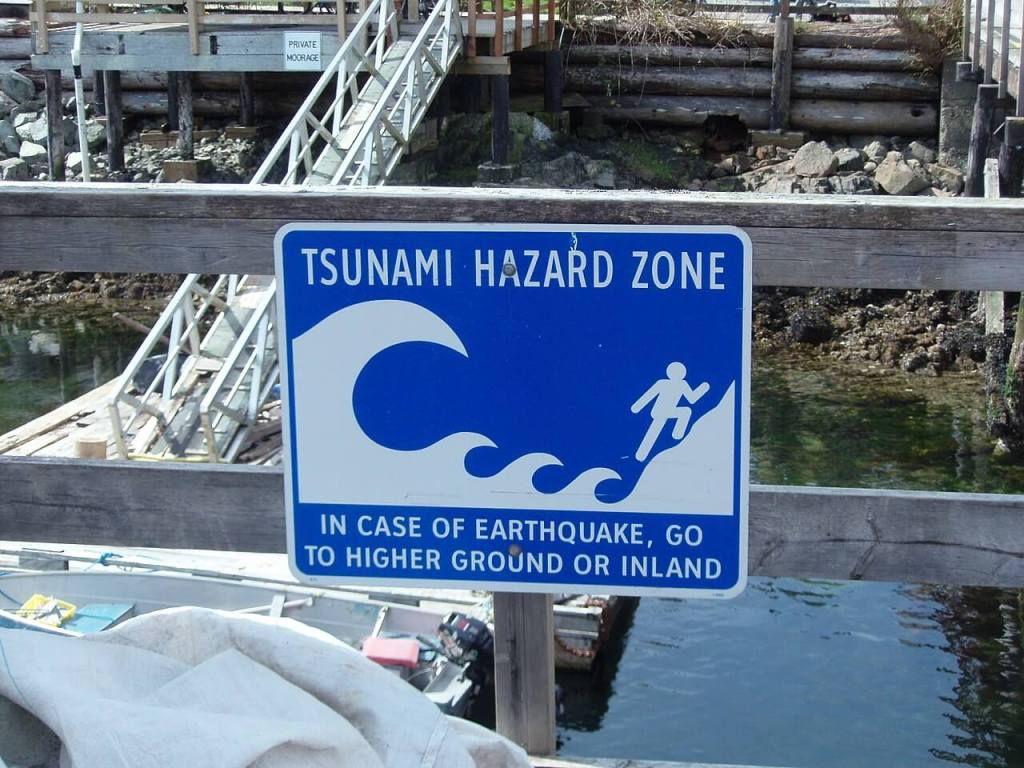
Geological hazards such as earthquakes or tsunamis in certain areas:
Geological hazards are natural phenomena that can have devastating effects on the environment and human populations. Two of the most common geological hazards are earthquakes and tsunamis. These events occur due to the movement of tectonic plates beneath the Earth’s surface.
Earthquakes are caused by sudden releases of energy in the Earth’s crust, resulting in shaking and ground displacement. They can range from minor tremors to major quakes with magnitudes exceeding 9 on the Richter scale. The impact of an earthquake depends on its magnitude, depth, distance from populated areas, and local building codes.
Tsunamis, on the other hand, are large ocean waves triggered by undersea earthquakes or volcanic eruptions. When these disturbances occur beneath the ocean floor, they displace a significant amount of water above them, generating powerful waves that travel across great distances at high speeds. Tsunamis can cause catastrophic damage when they reach coastal regions.
Certain areas around the world are more prone to geological hazards than others due to their location along tectonic plate boundaries or proximity to active volcanoes. For example, countries like Japan and Indonesia experience frequent earthquakes and tsunamis because they lie within what is known as the “Ring of Fire,” a zone characterized by intense seismic activity.
To mitigate the risks associated with these hazards, governments and communities implement various measures such as early warning systems, structural reinforcement of buildings, evacuation plans for vulnerable areas, and public awareness campaigns about preparedness during emergencies.
In addition to these immediate impacts on human lives and infrastructure, geological hazards also have long-term consequences for affected regions. Seismic activities can lead to landslides and soil liquefaction – a phenomenon where saturated soil temporarily loses its strength due to increased water pressure – causing further destruction.
Moreover, tsunamis can result in saltwater intrusion into agricultural lands and freshwater sources, rendering them unsuitable for cultivation or drinking. The displacement of people and destruction of infrastructure can also lead to economic hardships for affected communities.
Understanding the geological hazards specific to an area is crucial in order to develop appropriate strategies for disaster preparedness and response. Scientists use various techniques such as seismometers, GPS monitoring stations, satellite imagery, and historical data analysis to assess the seismic activity and potential risks of a region.
By studying past events and simulating future scenarios, researchers can improve their understanding of how earthquakes and tsunamis occur, their magnitude-frequency relationships, as well as the impact they may have on human lives. This knowledge helps inform policymakers, urban planners, engineers, and emergency management agencies in developing effective mitigation strategies.
In conclusion, geological hazards like earthquakes and tsunamis pose significant threats to human populations living in certain areas around the world. Understanding these hazards through scientific research is vital for developing effective disaster preparedness plans that can save lives and mitigate damage when these natural events occur.
 Alternative Amie
Leave a comment