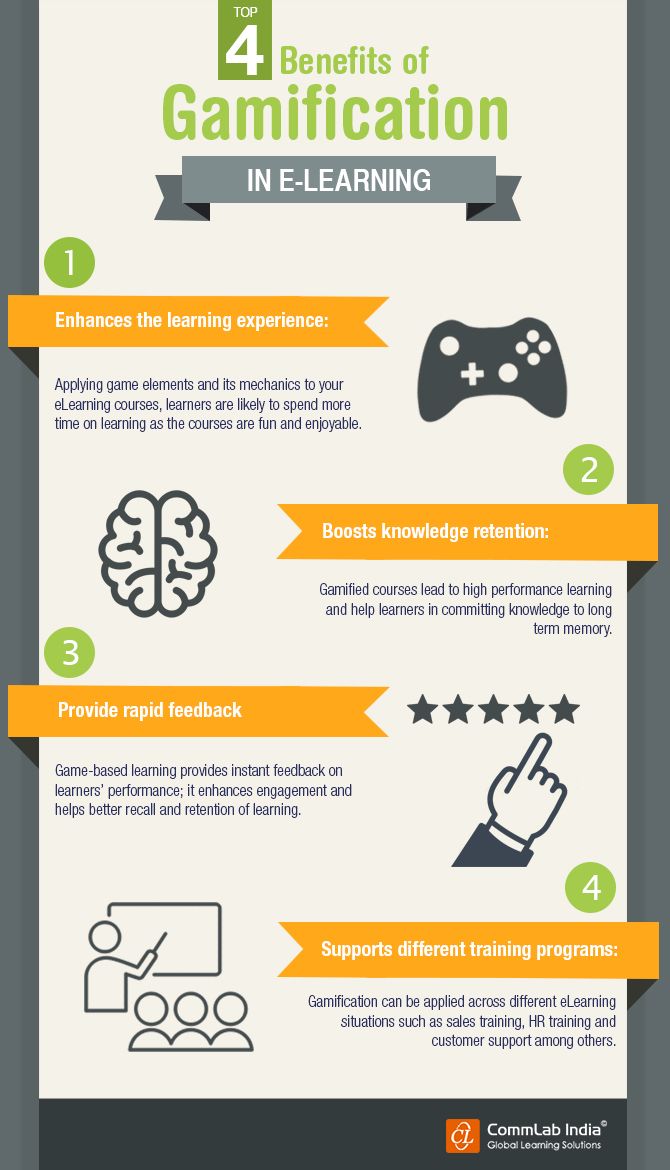
Gamification in self-paced learning:
Gamification refers to the use of game design elements and mechanics in non-game contexts, and it has gained significant popularity in the field of education. When applied to self-paced learning, gamification can enhance engagement, motivation, and enjoyment for learners. By incorporating elements such as points, badges, leaderboards, and rewards into the learning process, students are encouraged to progress through their coursework at their own pace while also experiencing a sense of achievement. Gamification can provide a sense of competition among learners or even foster collaboration through team-based challenges.
Self-paced learning for students with special needs:
Self-paced learning can be particularly beneficial for students with special needs who may require additional time or support to master certain subjects. With self-paced learning, these students have the freedom to move through material at their own speed without feeling rushed or overwhelmed by external pressures. This approach allows them to focus on individual strengths and interests while also providing opportunities for personalized instruction and accommodations. Additionally, technology tools tailored specifically for special needs learners can further enhance their self-directed education experience.
Self-paced learning for adult learners:
Adult learners often face unique challenges when pursuing further education or professional development alongside work and family responsibilities. Self-paced learning offers flexibility that accommodates these demands by allowing adults to set their own schedules and progress at their preferred pace. Moreover, adult learners bring valuable life experiences into the educational setting which can enrich discussions and interactions within a self-guided environment.
Incorporating mindfulness practices in self-paced learning:
Mindfulness practices involve cultivating present-moment awareness without judgment. Integrating mindfulness techniques into self-paced learning helps promote focus, attention regulation, stress reduction, emotional well-being, and overall cognitive functioning. Techniques like meditation exercises or deep breathing techniques can assist learners in managing distractions during independent study sessions.
The role of peer-to-peer collaboration in self-paced learning:
Although self-paced learning emphasizes individual progress at one’s own pace without direct teacher intervention, the importance of peer-to-peer collaboration should not be overlooked. Collaborative activities, group projects, or discussion forums can foster a sense of community and provide opportunities for learners to learn from each other’s insights and perspectives. Peer feedback and support can enhance critical thinking skills, communication abilities, and problem-solving capabilities.
Self-paced learning and project-based assessments:
Project-based assessments are an effective way to evaluate students’ knowledge acquisition and mastery of skills in self-paced learning environments. Instead of traditional exams or quizzes, project-based assessments allow learners to apply their knowledge to real-world scenarios or create tangible products that demonstrate their understanding. This approach enhances critical thinking, creativity, problem-solving abilities, and encourages self-reflection on the learning process.
Balancing structure and flexibility in self-paced learning environments:
Finding the right balance between structure and flexibility is crucial in self-paced learning environments. While providing clear guidelines, milestones, and deadlines helps establish a sense of direction for learners, allowing them flexibility in choosing the order or pace at which they complete tasks fosters autonomy. A well-designed framework with manageable chunks of information ensures that learners do not feel overwhelmed while maintaining their motivation throughout the course.
Exploring different technological tools for self-paced learning:
Technology plays a significant role in facilitating self-paced learning experiences. Various tools such as Learning Management Systems (LMS), online tutorials or videos platforms like Khan Academy or Coursera offer interactive content delivery options that cater to diverse learning styles. Additionally, adaptive technology can personalize instruction based on individual learner needs by adjusting difficulty levels or providing additional resources when necessary.
The impact of social media on self-paced learning experiences:
Social media platforms have become integral parts of our daily lives; however it also offers potential benefits as a tool for enhancing self-guided education experiences. Learners can connect with peers who share similar interests through virtual communities or participate in online discussions related to their areas of study. Social media also enables access to a wide range of educational resources, including articles, videos, or podcasts shared by experts or thought leaders in various fields.
Personalizing self-paced learning journeys through adaptive technology:
Adaptive technology can provide tailored learning experiences that adapt to individual learner needs and preferences. By analyzing learner performance and progress data, adaptive systems adjust the content difficulty level, delivery mode, or pace of instruction. This personalized approach maximizes learning efficiency and effectiveness by addressing learners’ specific areas for improvement while also fostering autonomy and self-directedness.
Cultivating a growth mindset in self-paced learners:
A growth mindset is the belief that intelligence and abilities can be developed through effort, practice, and perseverance. In self-paced learning environments, cultivating a growth mindset is crucial as it encourages learners to embrace challenges, persist in the face of setbacks, seek feedback as an opportunity for improvement, and view mistakes as valuable learning experiences. Promoting this mindset helps learners develop resilience and motivation to take ownership of their education journey.
Addressing challenges and barriers to successful self-paced learning:
While self-paced learning offers numerous benefits for students of all ages and backgrounds,
it also presents some challenges that need to be addressed for successful implementation. Lack
of structure or guidance may lead some students to procrastinate or struggle with time management.
Additionally, certain subjects may require more support from teachers or mentors due
to their complexity or abstract nature. Providing clear expectations,
regular check-ins with educators,
and access to necessary resources can help overcome these obstacles.
Integrating art and creativity into self-paced learning curricula:
Incorporating art-based activities into self-guided education can enhance creativity,
critical thinking skills,
and problem-solving capabilities.
Projects involving visual arts,
music,
or theater encourage learners to think outside the box
and explore new perspectives.
These activities not only foster artistic expression but also promote deeper engagement with subject matter across different disciplines.
The benefits of incorporating physical activity into self-paced learning breaks:
Research has shown that physical activity positively impacts cognitive function and academic performance.
Incorporating short exercise or movement breaks
into self-paced learning schedules can enhance focus,
concentration,
and overall well-being.
These breaks can be as simple as stretching exercises or taking a walk around the room.
By incorporating physical activity into self-guided education, learners can improve their ability to retain information and maintain higher levels of engagement.
Exploring alternative assessment methods in self-paced education:
Traditional assessment methods such as exams or quizzes may not accurately reflect the full range of knowledge and skills acquired through self-paced learning. Alternative assessment methods, such as portfolios, presentations, projects,
or simulations provide more comprehensive ways to evaluate learners’ abilities. These methods allow for creativity,
application of knowledge in real-world contexts,
and holistic evaluation of learner progress.
Supporting parental involvement in facilitating self-paced learning at home:
When implementing self-paced learning strategies at home,
parental involvement is crucial for success.
Parents can provide support by creating a conducive environment for studying,
establishing routines and time management strategies with their children,
setting realistic goals together, offering guidance when needed without being overly intrusive.
Promoting cultural diversity and inclusivity in self-paced education:
Self-guided education provides opportunities to celebrate cultural diversity
and ensure inclusivity by incorporating diverse perspectives and experiences into curricula
and providing resources that represent various cultures and identities.
Creating an inclusive educational environment fosters empathy, understanding,
and appreciation for different backgrounds while also preparing students to thrive in a globalized world.
The role of mentors and coaches in guiding self-directed learners:
Mentors and coaches play a vital role in supporting self-directed learners on their educational journeys. They provide guidance, feedback, encouragement while helping them set goals, identify strengths/weaknesses, explore interests/passions. Mentors/coaches act as trusted advisors who offer insights from their own experiences fostering personal growth/self-reflection.
Exploring the impact of environmental factors on self-regulated learning:
Environmental factors can significantly influence self-regulated learning. A quiet, well-organized study space with minimal distractions promotes focus and concentration. Natural lighting, comfortable seating, and appropriate temperature also contribute to a conducive learning environment. Additionally, learners’ access to necessary resources such as books, technology tools, or materials influences their ability to engage in self-paced education effectively.
Nurturing emotional intelligence skills through self-guided education:
Self-paced learning provides opportunities for learners to develop essential emotional intelligence skills such as self-awareness,
self-management,
social awareness,
and relationship management.
By encouraging reflection,
promoting empathy
and providing room for social interactions throughout the educational journey,
self-guided education can help individuals enhance their emotional intelligence capacity.
In conclusion, self-paced learning has emerged as an effective alternative approach to traditional classroom-based education. It offers numerous benefits including personalized instruction,
flexibility in scheduling and pacing,
opportunities for creativity
and collaboration.
However, successful implementation requires addressing challenges/barriers that may arise while also considering individual learner needs/preferences.
By incorporating elements like gamification techniques,
peer collaboration opportunities
or mindfulness practices into curricula
and utilizing technological tools tailored for diverse learner populations—such as those with special needs or adult learners—self-paced education can provide an engaging and effective means of acquiring knowledge and skills.

 Alternative Amie
Leave a comment