Individual Learning Styles: A Comprehensive Guide to Understanding and Nurturing Every Learner
Introduction:
In the world of education, it has long been recognized that each individual learns in a unique way. This understanding forms the basis of theories surrounding learning styles. These theories propose that individuals have preferred ways of processing information and acquiring knowledge, which significantly impact their learning outcomes. By recognizing and catering to these individual learning preferences, educators can create more effective and engaging learning experiences for students.
In this comprehensive guide, we will explore the concept of individual learning styles, delve into different models proposed by experts in the field, discuss practical strategies for identifying learners’ preferences, and offer suggestions on how to tailor instruction accordingly.
Understanding Individual Learning Styles:
1. The VARK Model:
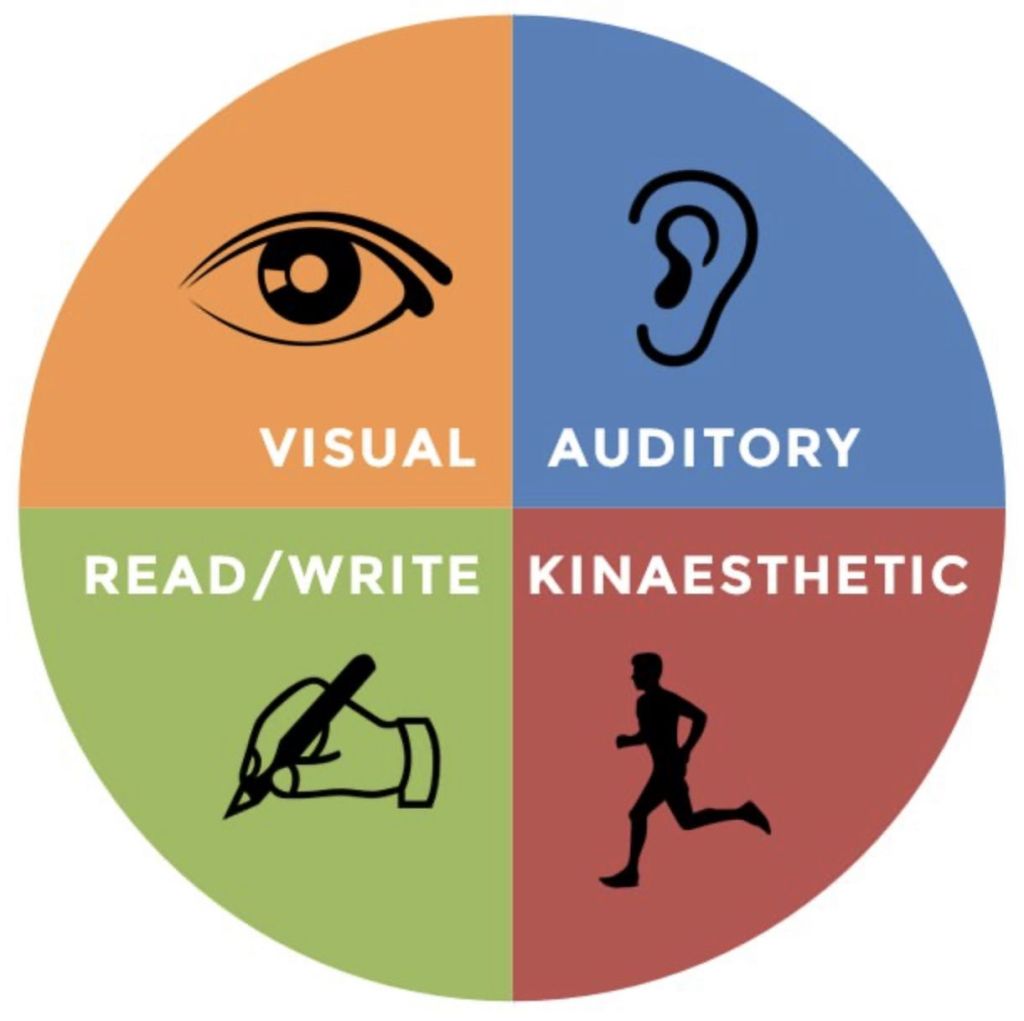
One widely accepted model is the VARK model developed by Neil Fleming. According to this theory, individuals fall into four main categories based on their preferred mode of learning: visual (V), auditory (A), reading/writing (R), or kinesthetic (K). Visual learners grasp information better through visual aids such as diagrams or charts. Auditory learners prefer listening to lectures or discussions. Reading/writing learners excel at written materials like textbooks or note-taking. Kinesthetic learners thrive when physically engaged in hands-on activities.
2. Gardner’s Multiple Intelligences:
Howard Gardner’s theory suggests that intelligence is not solely determined by cognitive abilities but encompasses multiple intelligences: linguistic-verbal, logical-mathematical, musical-rhythmic, bodily-kinesthetic, spatial-visual, interpersonal-social, intrapersonal-self reflective and naturalistic.
This theory recognizes diverse strengths among individuals rather than focusing solely on one primary modality.
3. Kolb’s Experiential Learning Theory:
David Kolb proposed an experiential learning cycle consisting of four stages: concrete experience (CE), reflective observation (RO), abstract conceptualization (AC), and active experimentation (AE). According to this theory, learners have preferences for particular stages of the cycle, either through feeling or thinking and doing or observing.
Identifying Individual Learning Styles:
1. Self-Assessment:
Self-assessment tools can provide valuable insights into an individual’s learning style preference. Online quizzes like the VARK questionnaire or multiple intelligences assessments based on Gardner’s theory can help individuals recognize their dominant learning style(s) and subsequently inform educators about their students’ preferences.
2. Observation and Reflection:
Educators should actively observe students’ behavior during various learning activities, noting any patterns that may emerge. For example, a student who frequently doodles during a lecture might be indicating a preference for visual learning. Reflective conversations with students about their preferred methods of studying and how they feel most engaged in class can also yield helpful information.
3. Varied Instructional Approaches:
Providing diverse instructional strategies allows educators to assess how each student responds to different modalities of instruction. By incorporating visual aids, discussions, hands-on activities, and written assignments into lesson plans, teachers can better understand which approaches resonate with individual learners.
Tailoring Instruction:
1. Visual Learners:
For visual learners, incorporating visuals such as diagrams, charts, videos, or infographics enhances comprehension. Teachers may encourage note-taking with colored pens or highlighters to aid memory retention. Mind maps and concept maps are effective tools for organizing information visually.
2. Auditory Learners:
Auditory learners benefit from lectures where concepts are explained verbally but may struggle with excessive reading assignments without accompanying explanations.
To support auditory learners effectively: incorporate verbal explanations alongside written instructions; provide opportunities for group discussions; use podcasts or audio recordings as supplementary materials.
3. Reading/Writing Learners:
Reading/writing learners excel at text-based materials.
Strategies include providing comprehensive reading lists; assigning writing tasks such as essays or summaries; encouraging journaling or reflective writing exercises; using prompts for critical thinking and analysis.
4. Kinesthetic Learners:
Kinesthetic learners thrive in hands-on, experiential learning environments.
Teachers can engage kinesthetic learners by integrating physical activities into lessons (e.g., role-playing, simulations, experiments); encouraging the use of manipulatives; incorporating movement breaks during longer periods of instruction.
Conclusion:
Recognizing and catering to individual learning styles is crucial for fostering effective education experiences. By implementing strategies that accommodate visual, auditory, reading/writing, and kinesthetic preferences, educators can create inclusive classrooms that empower all students to reach their fullest potential. As we embrace the diversity of learning styles within our educational systems, we unlock opportunities for personalized growth and success.
 Alternative Amie
Leave a comment