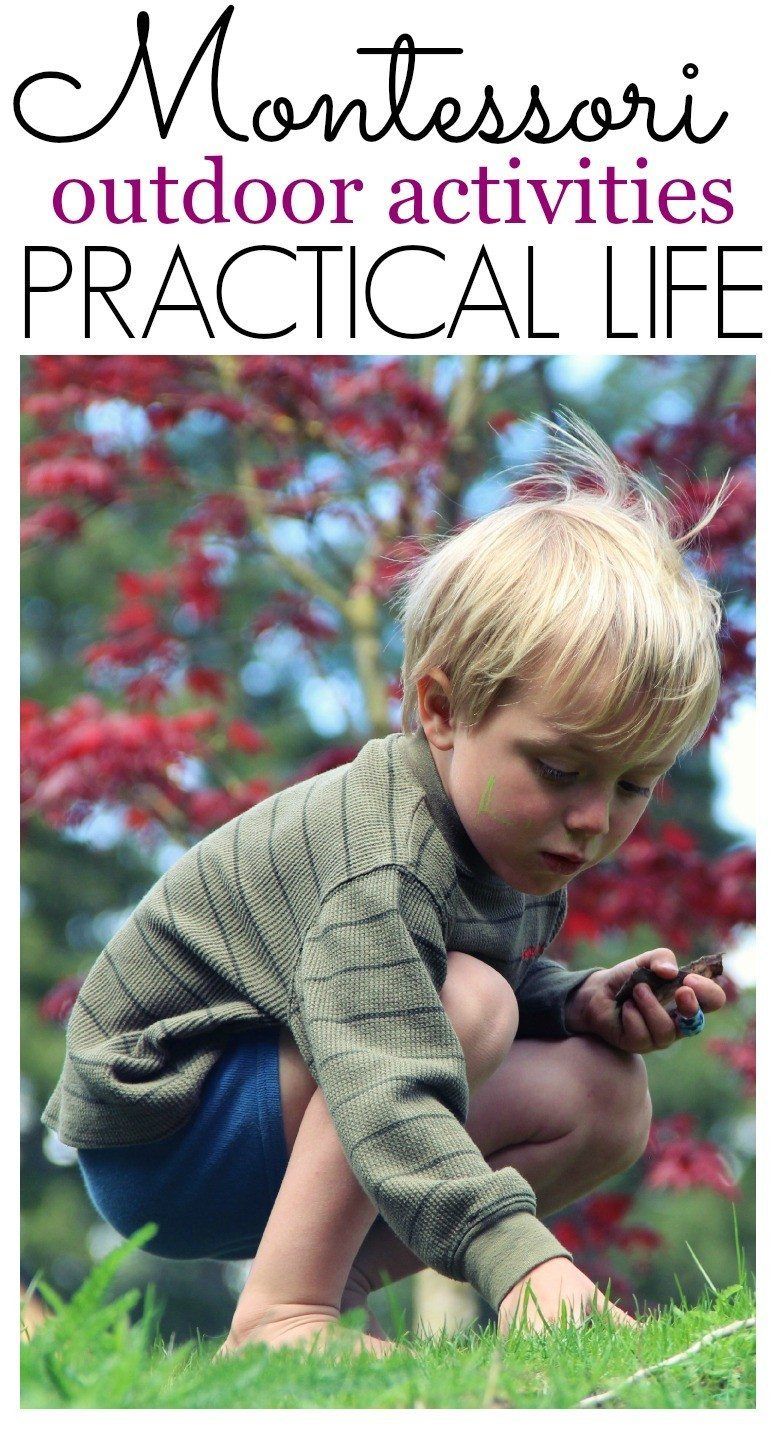
Montessori Philosophy in Outdoor Education: Nurturing Children’s Connection with Nature
Introduction:
In recent years, there has been a growing recognition of the importance of outdoor education for children’s overall development. The Montessori philosophy, which emphasizes hands-on learning and child-centered education, aligns perfectly with the principles underlying outdoor education. This article aims to explore how the Montessori approach can be effectively integrated into outdoor education programs to foster children’s connection with nature and promote holistic development.
1. Creating Prepared Environments:
At the core of Montessori philosophy lies the concept of prepared environments that foster independence, exploration, and discovery. Similarly, in outdoor education, creating an environment that stimulates curiosity and encourages children to engage with nature is paramount. By incorporating elements such as natural play spaces, sensory gardens, and wildlife habitats into outdoor settings, educators can provide rich learning opportunities while promoting environmental consciousness.
2. Freedom within Limits:
The Montessori method advocates for giving children freedom within well-defined limits. In a similar vein, when designing outdoor activities or excursions in an educational setting, it is crucial to strike a balance between allowing children to explore their surroundings freely while ensuring their safety and well-being. Establishing guidelines that encourage responsible behavior outdoors empowers children to make choices independently while developing respect for both themselves and their natural environment.
3. Hands-On Learning Experiences:
Montessori classrooms are renowned for offering hands-on learning experiences through materials designed specifically for tactile exploration and manipulation by students. Likewise, in outdoor education programs inspired by this philosophy, providing authentic experiences involving direct interaction with nature becomes essential for fostering deeper connections between children and their surroundings. Activities like planting seeds or trees allow them to witness firsthand how they can contribute positively to their environment.
4. Mixed-Age Groupings:
One distinctive aspect of Montessori classrooms is mixed-age groupings where older students act as mentors or role models for younger ones—a practice that encourages collaboration, empathy, and social development. Similarly, in outdoor education, organizing mixed-age nature walks or group projects enables children to learn from one another’s experiences, form strong bonds, and develop a sense of responsibility towards their peers and the natural world.
5. Cultivating Observation Skills:
Maria Montessori emphasized the importance of observation as a key tool for understanding child development. In outdoor education, honing observation skills becomes crucial for fostering an appreciation of the intricacies of the natural world. Engaging children in activities like birdwatching or nature journaling not only heightens their awareness but also enhances their ability to make connections between different elements of nature.
6. Embracing Unstructured Play:
Unstructured play is highly valued in Montessori philosophy as it allows children to explore personal interests and engage with materials at their own pace. Outdoor education programs can incorporate unstructured play by providing open-ended materials like sticks, rocks, or leaves that encourage imaginative play and creativity while promoting a deeper connection with nature.
7. Sustainability Education:
Montessori classrooms often integrate sustainability education into various aspects of learning. Similarly, incorporating sustainable practices into outdoor education programs helps instill ecological values in children from an early age. Activities such as recycling initiatives or composting projects not only teach environmental responsibility but also empower children to become advocates for change within their communities.
Conclusion:
The Montessori philosophy provides a solid framework for designing effective outdoor education programs that nurture children’s connection with nature while promoting holistic development. By creating prepared environments that facilitate hands-on learning experiences and embracing unstructured play within well-defined limits, educators can help foster lifelong appreciation and respect for the environment among young learners—ensuring they grow up to be environmentally conscious citizens who actively contribute towards building a more sustainable future
 Alternative Amie
Leave a comment