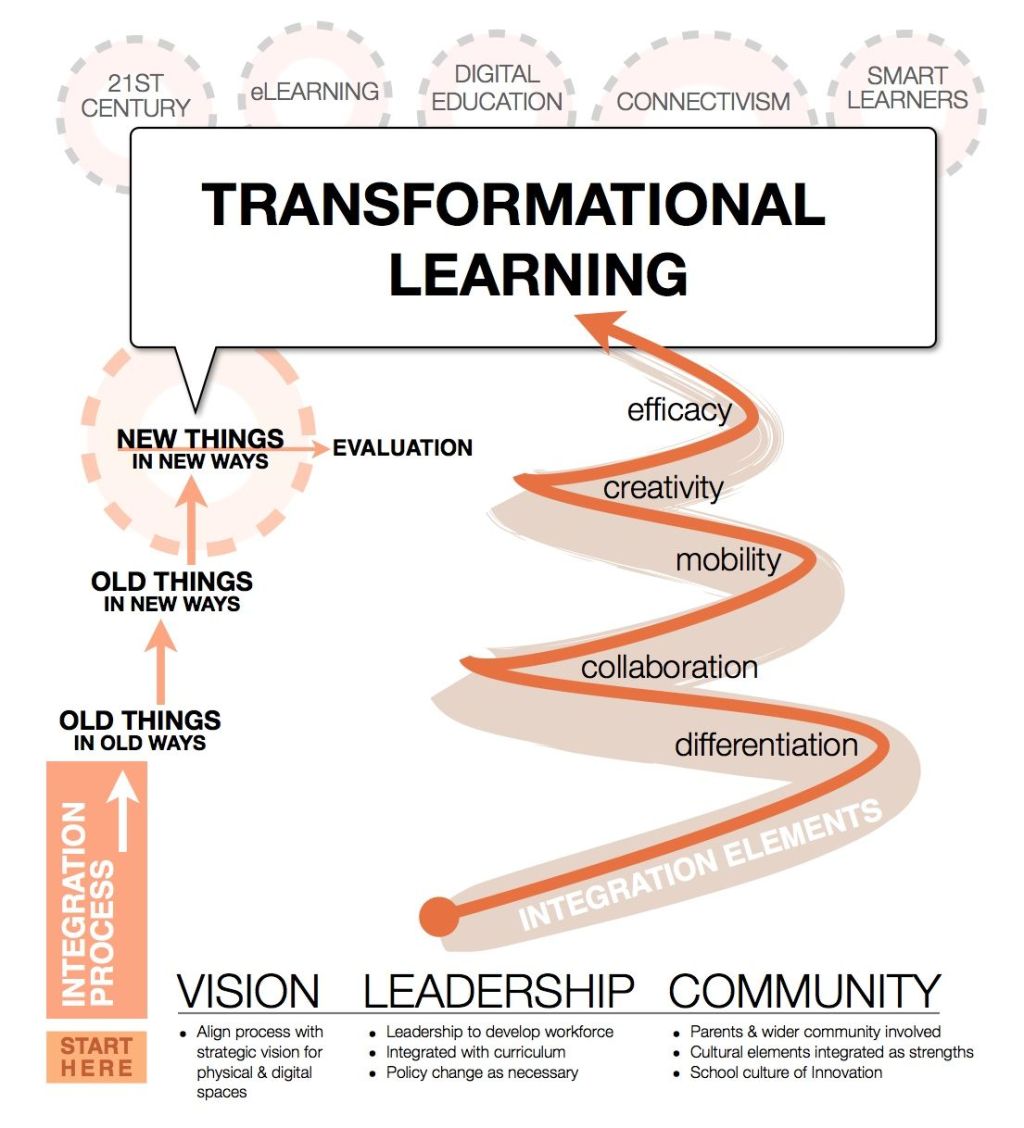
Experiential Social Studies Education: A Transformative Approach to Learning
Education is no longer confined to traditional classrooms and textbooks. As alternative forms of education gain traction, experiential learning has emerged as a powerful tool for engaging students in the social studies discipline. Experiential social studies education goes beyond memorizing facts and dates; it immerses students in real-world experiences that foster critical thinking, empathy, and an understanding of complex societal issues. In this article, we will explore the benefits of experiential social studies education and highlight some innovative approaches used by alternative schools.
1. Foster Real-World Connections:
Experiential learning allows students to connect classroom knowledge with real-world issues. By engaging in hands-on activities such as community service projects or field trips to historical sites, students develop a deep appreciation for the relevance of social studies in their lives.
2. Encourage Critical Thinking:
Through experiential learning, students are encouraged to think critically about historical events and societal structures. Instead of passively absorbing information from textbooks, they actively engage with primary sources, analyze different perspectives, and form their own opinions based on evidence.
3. Develop Empathy and Cultural Understanding:
Experiential social studies education promotes empathy by exposing students to diverse cultures and perspectives. Through activities like cultural exchanges or interviews with individuals from different backgrounds, students develop a deeper understanding of global issues while challenging stereotypes.
4. Enhance Collaboration Skills:
Alternative schools often incorporate group projects into the curriculum which encourages collaboration among peers. Experiential learning provides opportunities for teamwork as students work together on community-based projects or simulations that require cooperation to achieve common goals.
5. Engage Multiple Learning Styles:
Traditional classroom instruction may not cater to all learning styles equally effectively; however, experiential social studies education offers various avenues for engagement. Visual learners benefit from visual aids during field trips or multimedia presentations while kinesthetic learners thrive during hands-on activities and simulations.
6. Make Learning Fun:
Experiential learning injects excitement into the study of social studies. Whether it’s reenacting historical events, participating in mock trials, or creating art projects inspired by different cultures, students are actively involved in their education, which makes learning more enjoyable and memorable.
7. Promote Civic Engagement:
Experiential social studies education instills a sense of civic responsibility by encouraging students to take an active role in their communities. By participating in service-learning projects or engaging with local government, students develop a commitment to improving society and become informed citizens.
8. Bridge the Gap Between Theory and Practice:
Traditional classroom settings often struggle to bridge the gap between theory and practice. Experiential social studies education offers practical applications for theoretical concepts through real-world experiences that allow students to see how theories play out in everyday life.
9. Develop Life Skills:
In addition to academic knowledge, experiential learning equips students with essential life skills such as problem-solving, communication, critical thinking, and adaptability. These skills are invaluable for success beyond school walls.
10. Personalize Learning Experiences:
Every student is unique with different interests and strengths; therefore, alternative schools utilize experiential learning to personalize educational experiences. Students have the freedom to explore topics that interest them deeply while still meeting curriculum requirements.
11. Cultivate Global Citizens:
Exposing students to global perspectives fosters an understanding of interconnectedness between nations and promotes empathy towards diverse cultures worldwide. Experiential social studies education nurtures global citizens who can navigate complex global challenges with sensitivity and respect.
12. Encourage Lifelong Learning:
The immersive nature of experiential social studies education sparks curiosity among students about various historical epochs or societal issues—instilling a love for lifelong learning that extends far beyond their formal schooling years.
In conclusion, experiential social studies education revolutionizes traditional teaching methods by immersing students in real-world experiences. By fostering critical thinking, empathy, and a deeper understanding of complex societal issues, this transformative approach to learning prepares students to become active global citizens who can make a positive impact on the world around them. Alternative schools that embrace experiential social studies education provide an innovative educational environment where students thrive both academically and personally.
 Alternative Amie
Leave a comment