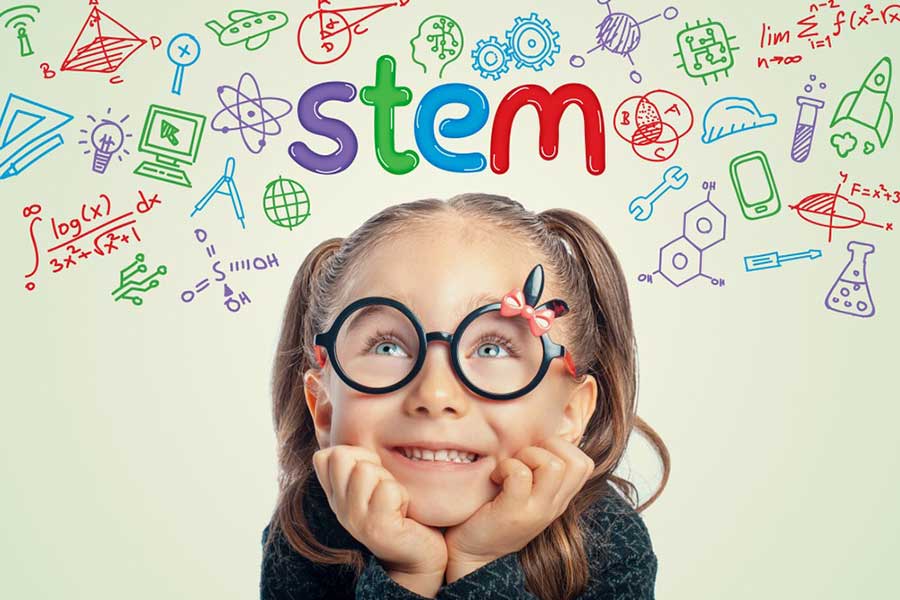
STEM Education: Empowering the Next Generation of Innovators
In today’s fast-paced world, it is crucial for students to develop skills that will equip them for the future. STEM education, which stands for Science, Technology, Engineering, and Mathematics, has emerged as a powerful approach to foster critical thinking, problem-solving abilities, and innovation among students. By integrating these subjects into a cohesive curriculum, STEM education prepares students for careers in high-demand fields and contributes to shaping a prosperous society.
One of the key advantages of STEM education lies in its ability to cultivate critical thinking skills. Through hands-on experiments and projects, students are encouraged to explore real-world problems and find creative solutions. This process not only enhances their problem-solving abilities but also nurtures their curiosity and encourages them to ask meaningful questions.
Moreover, STEM education equips students with essential technical skills that are highly sought after in today’s job market. According to the U.S Bureau of Labor Statistics (BLS), employment in STEM occupations is projected to grow by 8% from 2019 to 2029 – a rate much faster than non-STEM occupations. The demand for professionals proficient in science, technology, engineering, and mathematics continues to rise across various sectors such as healthcare, computer science, renewable energy, aerospace engineering just to name a few.
Furthermore, engaging students through STEM programs can help bridge gender gaps that exist within these fields. Historically underrepresented groups such as women have been less likely to pursue careers in science or engineering due to societal stereotypes or lack of representation. However studies have shown that participation in STEM activities at an early age can increase interest among girls while breaking down barriers associated with gender biases.
Additionally , incorporating elements of technology into classrooms makes learning more interactive and engaging for all students regardless of their background or learning style. Virtual simulations allow learners
 Alternative Amie
Leave a comment