Learning Contracts and Agreements: Empowering Students in Alternative Education
In the traditional education system, students are often passive recipients of knowledge, expected to conform to a predetermined curriculum without much say in how or what they learn. However, alternative schooling and education approaches aim to empower students by giving them more control over their own learning journey. One powerful tool used in these settings is the implementation of learning contracts and agreements.
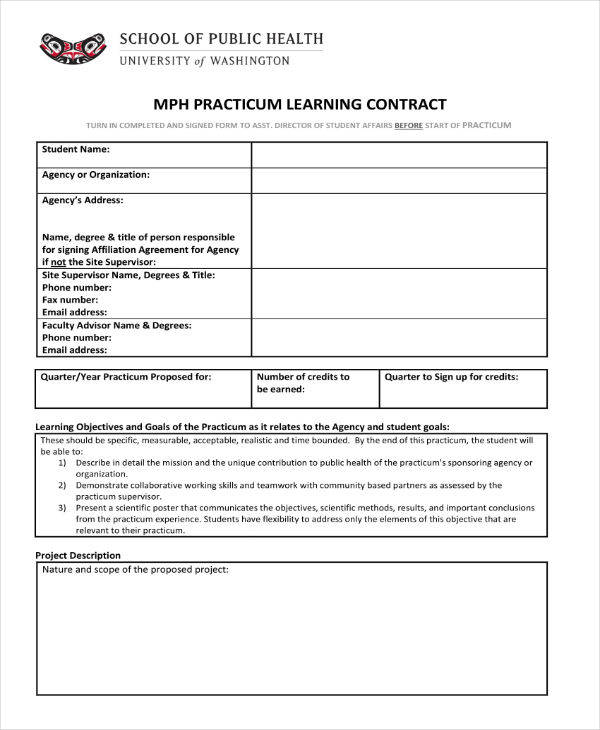
A learning contract is a written agreement between a student and an educator that outlines specific goals, expectations, responsibilities, and strategies for achieving those goals within a given timeframe. It serves as a roadmap for both parties, ensuring a clear understanding of what needs to be accomplished and how it will be assessed.
The beauty of learning contracts lies in their flexibility. Unlike rigid traditional curricula, these agreements allow students to personalize their educational experience based on their interests, strengths, and areas for growth. By involving learners in the process of setting goals and determining methods of assessment, educators can tap into intrinsic motivation while fostering critical thinking skills.
When creating a learning contract or agreement, there are several key components that should be considered:
1. Establishing Goals: The first step is identifying individualized objectives aligned with the student’s interests and abilities. These goals should be challenging yet attainable within the given time frame.
2. Defining Strategies: Once goals are established, it is important to outline specific strategies or action steps that will help achieve those objectives. This may include reading assignments, research projects, practical tasks, or creative endeavors.
3. Determining Assessment Methods: Learning contracts provide an opportunity for educators to move away from standardized testing towards more authentic forms of assessment that demonstrate real-world application of knowledge and skills. Assessments can take various forms such as portfolios showcasing work samples or exhibitions where students present their accomplishments.
4. Setting Evaluation Criteria: Clearly defining evaluation criteria helps maintain objectivity when assessing progress towards identified goals. It also ensures that students have a clear understanding of the standards they are expected to meet.
5. Regular Check-Ins: Learning contracts should not be seen as static documents but rather as living agreements that evolve over time. Regular check-ins between educators and students allow for reflection, revision, and adjustments if necessary.
The implementation of learning contracts and agreements can lead to numerous benefits for both students and educators alike. Firstly, it fosters a sense of ownership in the learning process since students are actively involved in setting their own goals. This promotes intrinsic motivation and a genuine desire to learn.
Secondly, personalized learning contracts cater to individual student needs, allowing for differentiated instruction and accommodating diverse learning styles. Students can explore areas of interest or spend additional time on challenging subjects without being bound by rigid schedules.
Furthermore, these agreements promote responsibility by holding students accountable for their own progress. They develop essential skills such as time management, organization, self-reflection, and self-assessment – all crucial competencies for lifelong learners.
Notably, learning contracts also enhance collaboration between educators and learners. By involving both parties in the decision-making process, it creates a partnership where teachers act as facilitators and mentors rather than mere dispensers of knowledge.
In conclusion, learning contracts and agreements offer an effective way to empower students within alternative schooling environments. By shifting from prescriptive curricula to personalized plans tailored to individual needs, we can create opportunities for deeper engagement with education while fostering independence and critical thinking skills among learners. Through this approach, we pave the way towards a more inclusive educational system that values student agency and nurtures lifelong learners who are prepared for success in an ever-evolving world.
 Alternative Amie
Leave a comment