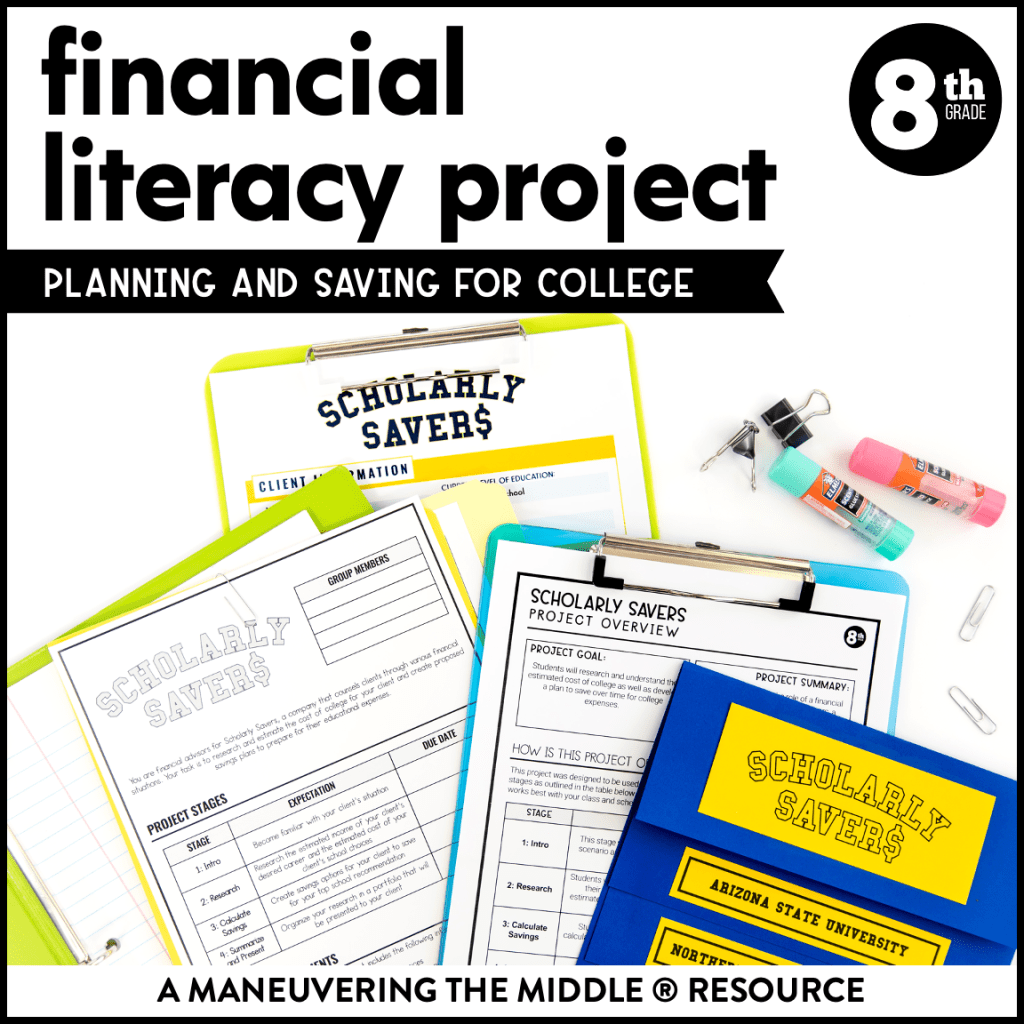
Financial Literacy Resources for Alternative School Students/Graduates
Introduction:
Alternative schooling provides a unique educational experience for students who may not thrive in traditional classroom settings. While alternative schools focus on individualized learning and personal growth, it is equally important to equip these students with essential life skills such as financial literacy. In this article, we will explore various resources and tools that can help alternative school students and graduates develop a strong foundation in managing their finances effectively.
1. Online Financial Literacy Courses:
Online platforms offer an array of financial literacy courses that cater specifically to students and young adults. These courses cover topics like budgeting, saving, investing, credit management, and more. Some reputable websites offering free or low-cost courses include Khan Academy’s “Personal Finance,” Coursera’s “Financial Markets,” and Udemy’s “Money Management Skills.” These online resources provide flexibility for alternative school students to learn at their own pace while gaining valuable knowledge about personal finance.
2. Personal Finance Apps:
With the advancement of technology, numerous mobile apps have emerged to assist individuals in managing their finances efficiently. Designed with user-friendly interfaces, these apps offer features like budget tracking, expense categorization, bill reminders, savings goals setting, and investment monitoring. Popular personal finance apps such as Mint, YNAB (You Need A Budget), PocketGuard, and Acorns enable users to gain real-time insights into their spending habits while promoting responsible money management practices.
3. Financial Literacy Workshops/Seminars:
Many organizations conduct workshops or seminars focused on enhancing financial literacy among young people. Alternative schools can collaborate with local banks or community organizations to organize these events specifically tailored for their students’ needs. These interactive sessions typically cover topics like basic banking concepts (e.g., opening accounts), understanding credit scores and reports, debt management strategies (including student loans), building emergency funds, and long-term financial planning.
4. Nonprofit Financial Education Programs:
Several nonprofit organizations are dedicated to providing financial literacy education to underserved communities, including alternative school students. These programs often offer comprehensive curriculum and resources that cover a wide range of financial topics. Junior Achievement, an international organization focused on economic education, offers programs like “JA Personal Finance” and “JA Finance Park” for high school students. Another notable program is the National Endowment for Financial Education’s (NEFE) “High School Financial Planning Program,” which provides free educational materials designed specifically for teenagers.
5. Community College Courses:
Alternative school graduates who wish to pursue further education can consider enrolling in community college courses related to personal finance or business studies. Many community colleges offer introductory courses in personal finance as part of their curriculum, allowing students to gain hands-on knowledge from experienced instructors. Additionally, these institutions may also provide access to academic advisors who can assist in creating personalized educational pathways tailored towards financial literacy and success.
6. Local Credit Unions/Banks:
Local credit unions or banks often have resources available specifically for young adults looking to improve their financial literacy skills. They may offer workshops or seminars on topics such as building credit, understanding loans and interest rates, homeownership basics, and retirement planning. Students can reach out directly to these institutions or check their websites for upcoming events or online resources related to financial literacy.
7. Online Blogs/Podcasts/Videos:
Numerous blogs, podcasts, and YouTube channels are dedicated solely to providing valuable insights into personal finance matters targeted at young adults and students alike. Websites like The Balance (thebalance.com), NerdWallet (nerdwallet.com), and Investopedia (investopedia.com) offer a wealth of articles covering various financial topics from budgeting tips to investing strategies. Popular podcasts include “ChooseFI,” “The Money Guy Show,” and “Millennial Money.” Watching informative videos from creators like Graham Stephan or Andrei Jikh on YouTube can also be an engaging way for alternative school students to learn about financial literacy.
Conclusion:
Alternative schooling provides a unique educational experience that focuses on individualized learning and personal growth. Ensuring that students are equipped with strong financial literacy skills is crucial for their long-term success. By utilizing online courses, personal finance apps, workshops/seminars, nonprofit programs, community college courses, local credit unions/banks, and online resources such as blogs/podcasts/videos, alternative school students can gain the necessary knowledge to make informed decisions about money management and achieve financial independence in the future.
 Alternative Amie
Leave a comment