Sensory exploration is a fundamental aspect of a child’s development. It involves using the senses to explore and understand the world around them. By engaging in sensory activities, children can enhance their cognitive, physical, social, and emotional skills.
There are various ways to promote sensory exploration in an educational setting or at home. Here are some ideas that can be implemented:
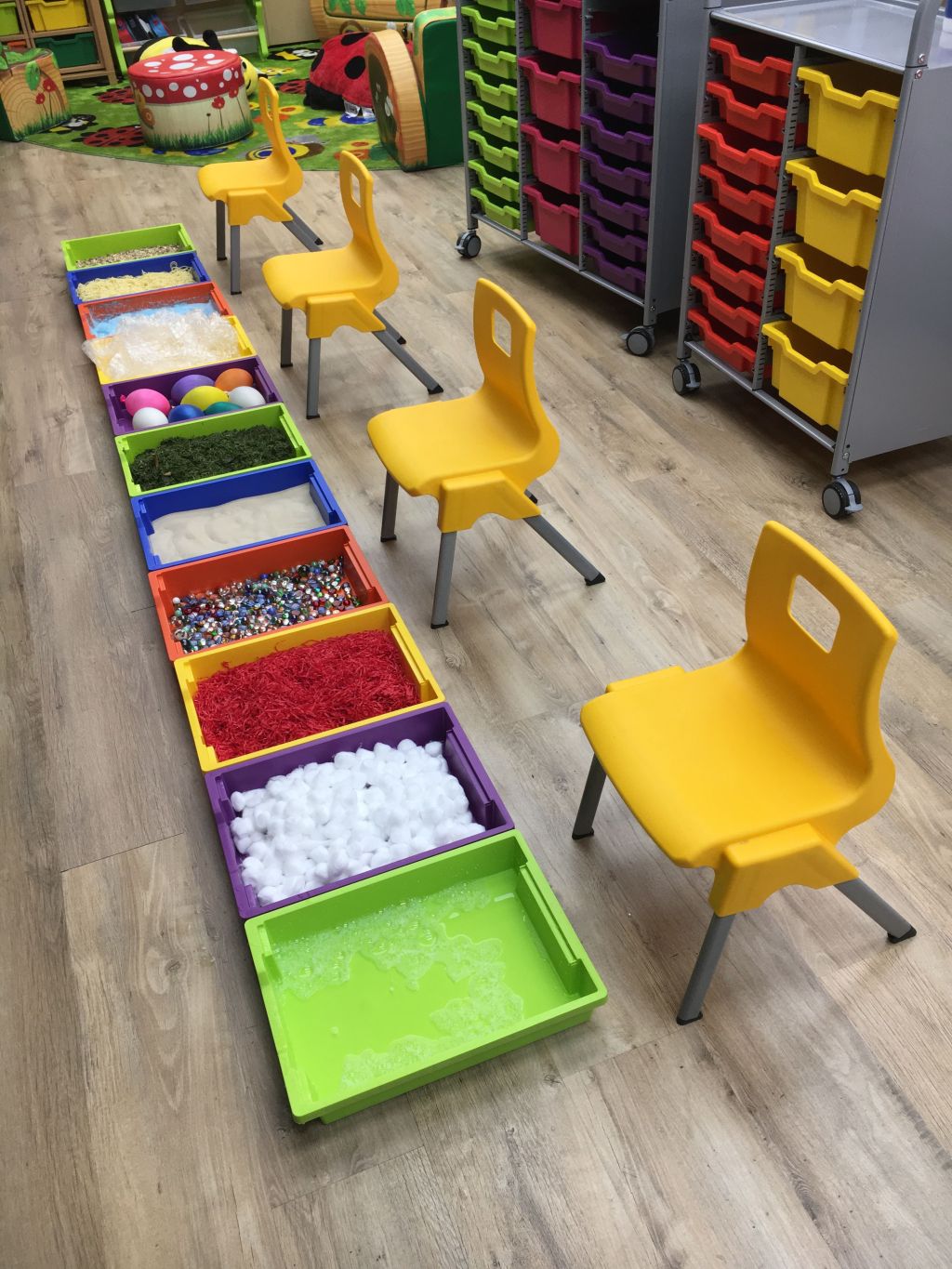
1. Sensory Bins: Create themed bins filled with different materials such as rice, sand, beans, or even water beads. Add scoops, funnels, containers of various sizes, and toys for added engagement. This activity allows children to touch and manipulate different textures while stimulating their sense of touch.
2. Scented Playdough: Making homemade playdough and adding scents like lavender or vanilla can provide opportunities for olfactory stimulation. Children can mold the playdough into shapes while enjoying the pleasant aroma.
3. Nature Walks: Take children on nature walks where they can experience different sounds, sights, smells, textures underfoot (such as grass or pebbles), and even taste fresh fruits if available during certain seasons.
4. Music Exploration: Expose children to a variety of music genres and encourage them to express themselves through movement or dance. Provide musical instruments like drums or xylophones for hands-on exploration of sound.
5. Taste Testing: Introduce new foods during snack time to expand a child’s palate and expose them to different flavors and textures.
6. Artistic Expression: Offer open-ended art activities that allow children to experiment with various materials such as finger painting with pudding or shaving cream art on plastic trays.
7. Sensory Storytime: Incorporate elements from sensory books into storytime by using props like textured fabrics or scented items related to the story being read aloud.
8.Sensory Gardens: Design outdoor spaces with plants that offer tactile experiences like fuzzy leaves or fragrant flowers for smelling. Incorporate wind chimes or water features to engage additional senses.
9. Sensory Integration Therapy: For children with sensory processing difficulties, therapy sessions can be beneficial. Trained therapists use specific activities to help regulate the child’s sensory responses and improve their overall well-being.
10. Yoga and Mindfulness: Engaging in yoga poses and mindfulness exercises encourages body awareness, balance, and focus. Breathing exercises can also help children calm down when feeling overwhelmed by their senses.
It is important to remember that each child is unique and may have different preferences when it comes to sensory exploration. Some children may be more sensitive or seek out certain sensations more than others. It is crucial to create a safe and non-judgmental environment where children feel comfortable exploring at their own pace.
Sensory exploration not only enhances a child’s understanding of the world but also supports their cognitive development, language skills, motor coordination, emotional regulation, problem-solving abilities, social interactions, and creativity.
By incorporating sensory activities into educational settings or daily routines at home, parents and educators can promote holistic development while providing engaging experiences for children of all ages. So let’s encourage our little ones to embark on exciting sensory adventures as they learn about themselves and the world around them!
 Alternative Amie
Leave a comment