Experiential Learning: Unlocking the Power of Hands-On Education
In today’s rapidly changing world, traditional classroom education may not always be enough to prepare students for the challenges they will face in their future endeavors. As a result, more and more educators are turning to alternative methods of teaching, such as experiential learning.
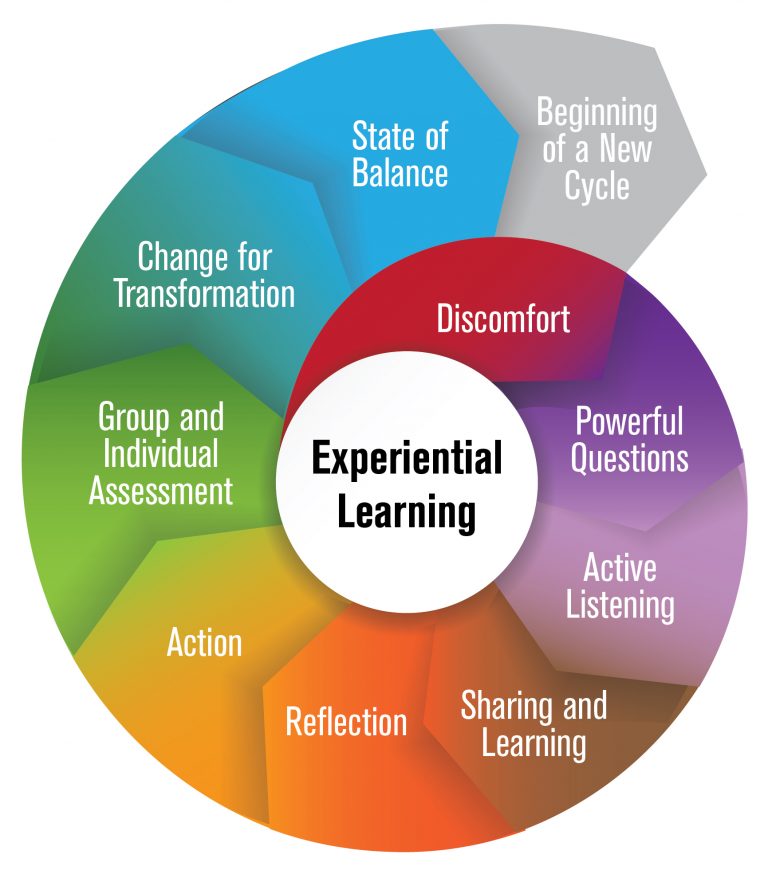
Experiential learning is an educational approach that emphasizes hands-on experiences as a primary method of learning. Instead of simply listening to lectures and memorizing facts from textbooks, students actively engage with real-world situations and problems. This type of learning allows them to apply what they have learned in practical contexts, fostering critical thinking skills, problem-solving abilities, and creativity.
One key aspect of experiential learning is its focus on active participation. Students are encouraged to take an active role in shaping their own education by setting goals, making decisions, and reflecting on their experiences. This level of engagement promotes a deeper understanding of the subject matter while also enhancing motivation and self-confidence.
Another significant benefit of experiential learning is its ability to bridge the gap between theory and practice. By immersing themselves in real-life scenarios or simulations relevant to their field of study, students gain valuable insights into how theoretical concepts can be applied in practical settings. This hands-on experience not only solidifies knowledge but also fosters a sense of relevance and purpose within students’ minds.
Moreover, experiential learning encourages collaboration among peers. Group projects or interactive workshops allow students to work together towards common goals while developing essential teamwork skills such as communication and conflict resolution. These collaborative efforts mimic real-world professional environments where interpersonal skills play a crucial role.
Experiential learning has gained recognition across various disciplines due to its effectiveness at preparing individuals for future careers or further academic pursuits. From science laboratories where students conduct experiments firsthand to business schools simulating entrepreneurial scenarios, this approach provides invaluable opportunities for skill development beyond traditional teaching methods.
In conclusion, experiential learning offers a unique and effective approach to education. By actively engaging with real-world experiences, students develop a deeper understanding of the subject matter while acquiring essential skills for their future endeavors. As educators continue to explore alternative methods of teaching, it is clear that experiential learning has the power to unlock students’ potential and shape them into well-rounded individuals ready to take on the challenges of tomorrow’s world.
 Alternative Amie
Leave a comment