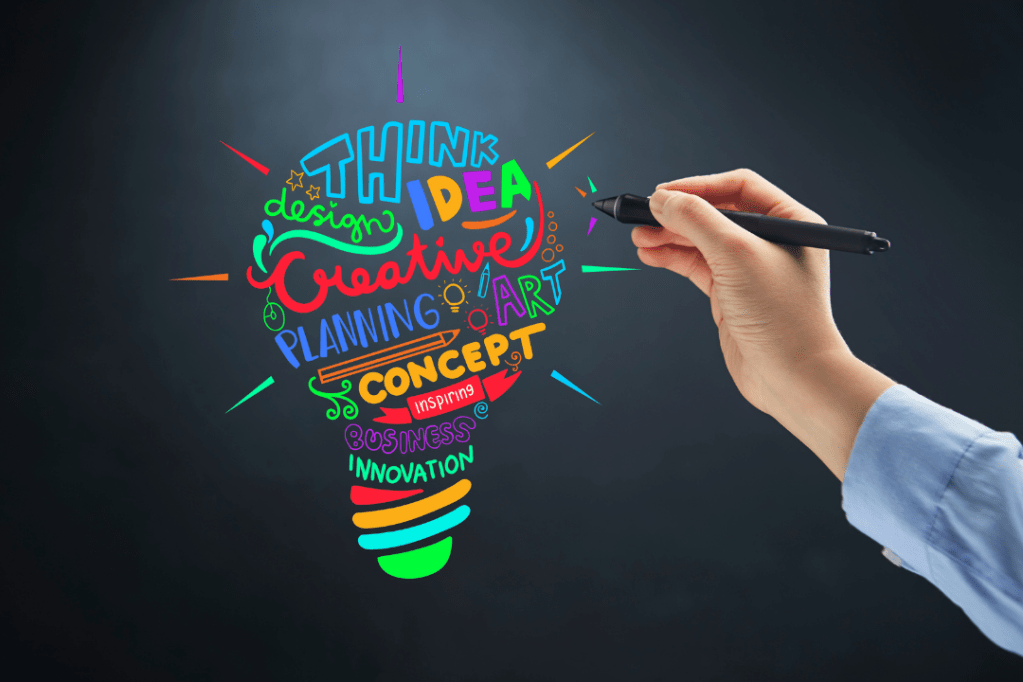
Creative Learning: Unlocking the Potential of Alternative Education
In today’s rapidly evolving world, traditional education systems are being challenged to keep up with the changing needs and demands of students. As a result, alternative forms of education have emerged as viable options for those seeking a more personalized and creative approach to learning. Creative learning, in particular, has gained significant attention for its ability to foster innovation, critical thinking, and problem-solving skills among students.
What is Creative Learning?
Creative learning can be defined as an educational approach that emphasizes imagination, creativity, and self-expression. Unlike conventional teaching methods that rely heavily on rote memorization and standardized testing, creative learning encourages students to think outside the box and explore their own unique interests and talents.
One key aspect of creative learning is the promotion of hands-on experiences. Students are given opportunities to engage in real-world projects or experiments where they can apply their knowledge in practical ways. By doing so, they develop a deeper understanding of concepts while simultaneously honing their creative abilities.
Benefits of Creative Learning
1. Cultivating Critical Thinking Skills: Creative learning encourages students to question assumptions and seek innovative solutions to problems. Through open-ended assignments or projects that require them to think critically, students become adept at analyzing information from various perspectives.
2. Fostering Collaboration: Collaborative work is frequently integrated into creative learning environments. Students learn how to effectively communicate ideas with their peers while respecting diverse viewpoints. This prepares them for future team-based endeavors where cooperation is essential.
3. Nurturing Individuality: In traditional classrooms driven by standard curricula, many students often feel constrained by rigid expectations and limited room for personal expression. Creative learning places emphasis on individuality by allowing learners to pursue topics they are genuinely interested in or passionate about.
4. Enhancing Confidence: When students are given the freedom to express themselves creatively without fear of judgment or failure, they gain confidence in their abilities. This boost in self-assurance extends beyond the classroom, empowering students to take risks and embrace challenges.
Strategies for Implementing Creative Learning
1. Project-Based Learning: Projects that require students to research, design, and present their findings enable them to engage with topics in a more proactive manner. These projects can be tailored to suit individual interests or group collaboration.
2. Arts Integration: Incorporating arts into the curriculum allows students to explore different forms of creative expression. Whether it’s painting, music, drama, or dance, the arts provide avenues for self-discovery and encourage imaginative thinking.
3. Technology Integration: Utilizing technology tools such as virtual reality or interactive software can enhance creativity and engagement in learning. Students can create multimedia presentations or design digital simulations that deepen their understanding of complex concepts.
4. Outdoor Education: Taking learning outside of the traditional classroom setting provides an opportunity for students to connect with nature while exploring new subjects through hands-on experiences. Field trips or outdoor activities promote curiosity and stimulate creative thinking.
Successful Examples of Creative Learning Schools
1. Sudbury Valley School (Framingham, Massachusetts): This democratic school empowers students by giving them control over their education. They have the freedom to choose what they want to learn and how they want to spend their time each day.
2. High Tech High (San Diego, California): Known for its project-based learning approach, High Tech High emphasizes real-world application across multiple disciplines while encouraging creativity and critical thinking skills.
3. Reggio Emilia Approach (Reggio Emilia, Italy): This educational philosophy focuses on student-led exploration through art-based projects and collaborative investigations that integrate various subjects seamlessly.
4. Green School (Bali, Indonesia): Nestled within lush greenery, this sustainable school offers an integrated curriculum that combines academic subjects with environmental awareness and entrepreneurial skills development.
Conclusion
Creative learning is a powerful tool that enables students to unleash their full potential by fostering critical thinking, collaboration, and self-expression. By providing a more engaging and personalized educational experience, alternative schooling methods like creative learning have the potential to revolutionize traditional education systems. As we continue to adapt to an ever-changing world, it is crucial that we explore innovative approaches that nurture creativity and prepare students for the challenges of tomorrow.
 Alternative Amie
Leave a comment