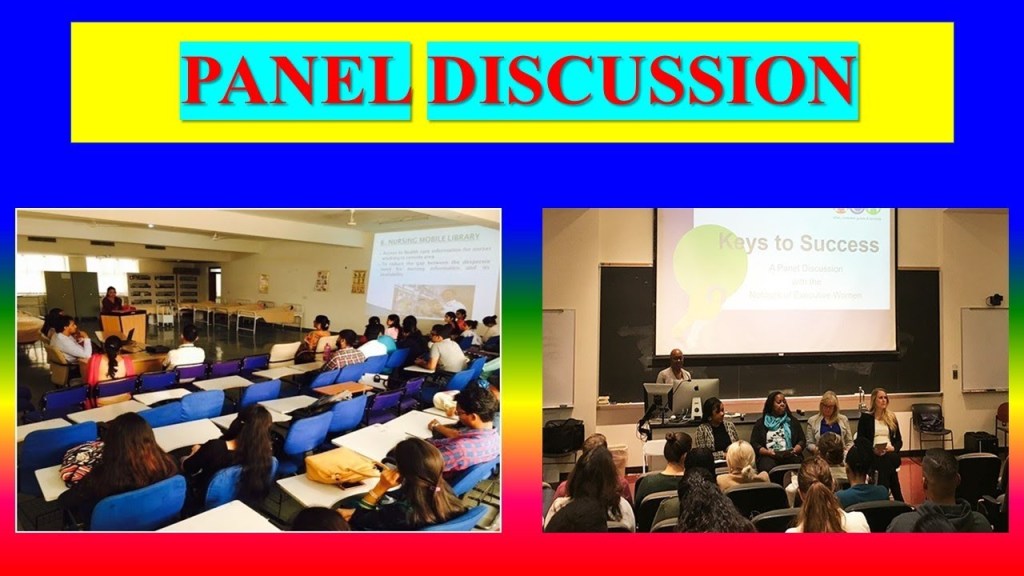
Panel Discussion: The Power of Self-Motivation in Alternative Education
Introduction:
Welcome to our panel discussion on the topic of self-motivation in alternative schooling and education. We have gathered a group of experts who are passionate about empowering students to take control of their learning journey. Today, we will explore various aspects of self-motivation, including its importance, strategies for fostering it, and how it positively impacts alternative education systems.
Moderator: Let’s begin by discussing why self-motivation is crucial in alternative education. Dr. Jane Adams, as an experienced educator, could you shed some light on this?
Dr. Jane Adams (Educator): Absolutely! In alternative education settings, students often have more autonomy over their learning experience compared to traditional schools. Self-motivation becomes vital because it cultivates a sense of responsibility and ownership within learners. By taking charge of their studies and pursuing personal interests, students become active participants rather than passive recipients.
Moderator: Thank you for highlighting that point, Dr. Adams. Now let’s hear from Alex Thompson, a student who has experienced both traditional and alternative schooling environments firsthand. Alex, what role has self-motivation played in your educational journey?
Alex Thompson (Student): Personally, I’ve found that self-motivation is the driving force behind my success in alternative schooling. It has allowed me to pursue subjects that genuinely interest me and explore them at my own pace while maintaining focus and discipline throughout the process.
Moderator: That’s inspiring to hear! Building on Alex’s experience, Professor Sarah Lewis, could you share specific strategies educators can use to foster self-motivation among students?
Professor Sarah Lewis (Educational Psychologist): Certainly! One effective strategy is helping students set clear goals aligned with their passions or aspirations. When learners are invested in achieving meaningful objectives they themselves have established, they naturally feel motivated to put forth effort towards reaching those goals.
Additionally, educators can encourage autonomy by providing choices within the curriculum. Allowing students to decide how to approach a project or which resources to use empowers them and fosters intrinsic motivation.
Moreover, it’s crucial to create a supportive and nurturing environment where students feel safe to take risks and learn from their mistakes. Celebrating progress rather than focusing solely on outcomes helps develop intrinsic motivation that lasts beyond external rewards.
Moderator: Those strategies sound incredibly valuable, Professor Lewis. Dr. Adams, based on your experience working with alternative education models, could you share some success stories where self-motivation has significantly impacted student learning?
Dr. Jane Adams (Educator): Certainly! I recall a student named Maya who struggled in traditional schooling due to a lack of engagement with the curriculum. After transferring to an alternative school that emphasized self-directed learning, she began exploring her passion for film production.
Maya’s newfound self-motivation led her to create remarkable short films while also excelling academically because she could apply her creativity across subjects. This success story showcases how empowering students through self-motivated learning can unlock hidden potential and transform their educational experiences.
Moderator: That’s truly inspiring! Alex, as a student who embodies self-motivation in your own educational journey, what advice would you give fellow students who may be struggling with motivation?
Alex Thompson (Student): Firstly, it is essential not to compare yourself with others but instead focus on your own goals and aspirations. Everyone’s journey is unique; what works for someone else might not work for you.
Secondly, find ways to make learning enjoyable by incorporating activities or projects aligned with your interests whenever possible. When you’re passionate about what you’re studying, motivation comes naturally.
Lastly, remember that setbacks are part of the process – don’t let them discourage you but rather view them as opportunities for growth and improvement.
Moderator: Excellent advice indeed! Professor Lewis, before we conclude our discussion, could you share any research or studies that highlight the long-term benefits of self-motivation in alternative education?
Professor Sarah Lewis (Educational Psychologist): Certainly! Research has consistently demonstrated that students who are self-motivated not only achieve higher academic success but also develop essential life skills such as time management, perseverance, and self-discipline.
Moreover, these individuals tend to have a lifelong love for learning and are better equipped to adapt to new challenges in their personal and professional lives. The ability to motivate oneself becomes an invaluable asset beyond formal education.
Moderator: Thank you for sharing those insights, Professor Lewis. As we wrap up our panel discussion today, it is evident that self-motivation plays a pivotal role in alternative schooling and education. By empowering students to take charge of their learning journey and providing them with the necessary support and guidance, we can inspire a generation of lifelong learners who are passionate about their pursuits.
Conclusion:
In this panel discussion on the power of self-motivation in alternative education systems, we explored its significance from various perspectives. Driven by personal experiences and expertise, our panelists highlighted strategies for fostering student motivation within alternative educational models. They emphasized the importance of goal setting, autonomy within the curriculum, creating supportive environments, as well as celebrating progress rather than focusing solely on outcomes.
Furthermore, success stories showcased how self-motivated learning can unlock hidden potential and transform students’ educational experiences. Our student panelist shared valuable advice for peers struggling with motivation – emphasizing individual goals and passions while embracing setbacks as opportunities for growth.
Overall, it is evident that self-motivation not only leads to academic excellence but develops vital life skills necessary for success beyond formal education. By integrating self-directed learning practices into alternative schooling systems and supporting students along their journey towards intrinsic motivation, we can empower learners to become active participants in shaping their futures.
 Alternative Amie
Leave a comment