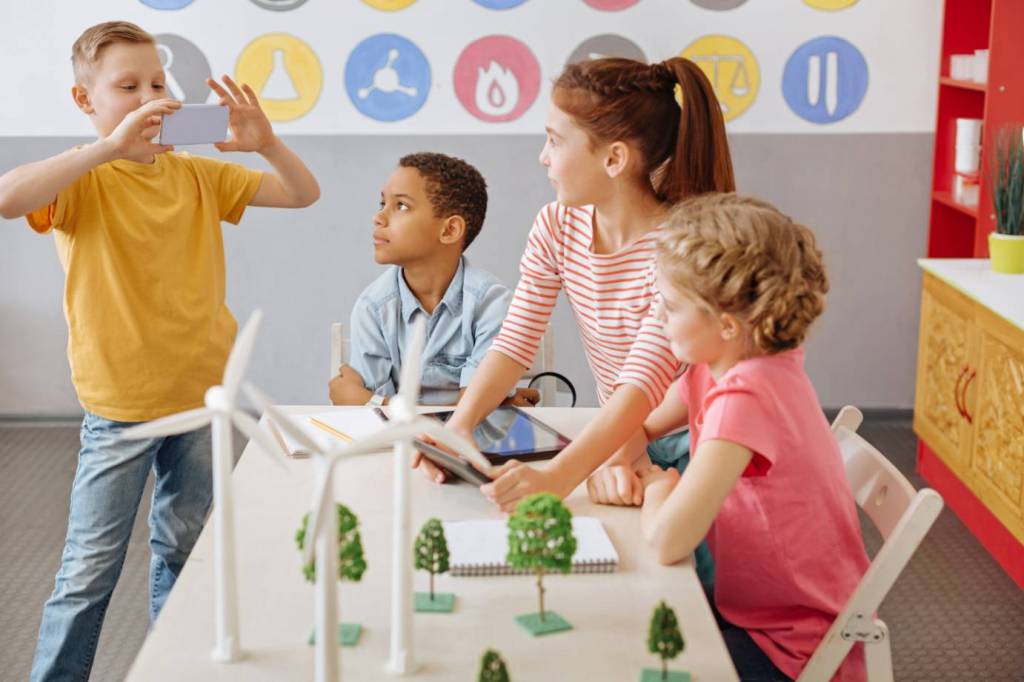
Project-Based Learning: A Transformative Approach to Education
In recent years, there has been a growing emphasis on alternative approaches to education that foster creativity, critical thinking, and problem-solving skills. One such approach gaining momentum is project-based learning (PBL). PBL engages students in real-world projects that are meaningful and relevant to their lives, allowing them to actively apply their knowledge and skills. This article will explore the benefits of project-based learning and why it is becoming an increasingly popular choice among educators.
At its core, project-based learning is an instructional method that promotes active student engagement through hands-on projects. In traditional classroom settings, students often passively absorb information from textbooks or lectures without fully understanding how it applies to real-life situations. PBL flips this dynamic by placing students at the center of their own learning experience. Instead of being mere recipients of knowledge, they become active participants in constructing their understanding.
One key advantage of project-based learning is its ability to foster deep understanding and retention of knowledge. When students engage in meaningful projects that require them to research, analyze data, solve problems, collaborate with peers, and present their findings – they develop a deeper comprehension of the subject matter compared to passive forms of instruction. By connecting new information with existing knowledge and applying it in practical ways, they create lasting connections that extend beyond the classroom.
Furthermore, project-based learning nurtures critical thinking skills by encouraging students to think analytically and independently. Rather than memorizing facts for a test or regurgitating information for a grade, PBL challenges students to think critically about complex issues and develop innovative solutions. They become adept at identifying problems or gaps in knowledge within a given context and then work collaboratively towards solving them.
Collaboration is another key component of project-based learning. Students often work together in teams or groups on projects which mirror real-world scenarios where collaboration is essential for success. Through these collaborations, they learn valuable skills such as effective communication, teamwork, negotiation, and compromise. These interpersonal skills are not only vital for academic success but also highly valued in the workplace.
Project-based learning also enhances student motivation and engagement. Traditional teaching methods often fail to captivate students’ interest, leading to disengagement and a lack of enthusiasm for learning. PBL addresses this issue by providing students with a sense of ownership over their education. They have the opportunity to choose projects that align with their interests or passions, making the learning experience more relevant and meaningful. This autonomy empowers students to take responsibility for their own learning journey.
Moreover, project-based learning bridges the gap between theory and practice by connecting classroom concepts to real-world applications. Students learn how their knowledge can be applied outside of school through authentic projects that simulate professional scenarios. For instance, they may design sustainable energy solutions, create marketing campaigns for local businesses, or develop community service initiatives. These experiences strengthen their understanding of how academic concepts translate into practical skills that are transferable beyond graduation.
In addition to fostering academic growth and skill development, project-based learning supports social-emotional development in students. By engaging in collaborative projects where they share responsibilities and make decisions together, students develop empathy, self-awareness, and social awareness – all crucial aspects of emotional intelligence. PBL also encourages resilience as students face challenges throughout the project process but ultimately experience the satisfaction of overcoming obstacles through perseverance.
Implementing project-based learning effectively requires careful planning on the part of educators. It is essential to select projects that align with curriculum objectives while also allowing room for student choice and creativity within those parameters. Teachers must provide clear guidelines and expectations while giving students freedom to explore various approaches to problem-solving.
Assessment methods in PBL differ from traditional forms as well; instead of relying solely on tests or quizzes at the end of a unit, teachers evaluate student progress based on criteria established at the beginning of each project. Rubrics, self-assessments, and peer evaluations are commonly used to assess individual and group performance. This multifaceted evaluation process provides students with valuable feedback on their progress while also allowing for reflection and self-improvement.
While project-based learning offers numerous benefits, it is important to acknowledge its limitations. Implementing PBL effectively requires time and resources for planning, collaboration, and student support. Additionally, some critics argue that the emphasis on projects may compromise content coverage or standardized test preparation. However, proponents of PBL argue that the critical thinking skills developed through project-based learning ultimately enhance students’ ability to succeed in those traditional measures of academic achievement.
In conclusion, project-based learning is a transformative approach to education that engages students in real-world projects, fostering deep understanding, critical thinking skills, collaboration abilities, motivation, relevance to real-life applications, and social-emotional development. By shifting the focus from passive absorption of information to active construction of knowledge through meaningful projects, educators empower students as lifelong learners who can confidently navigate challenges beyond the classroom walls. As schools continue seeking innovative methods that prepare students for an ever-changing world, project-based learning emerges as a powerful tool for educational transformation.
 Alternative Amie
Leave a comment