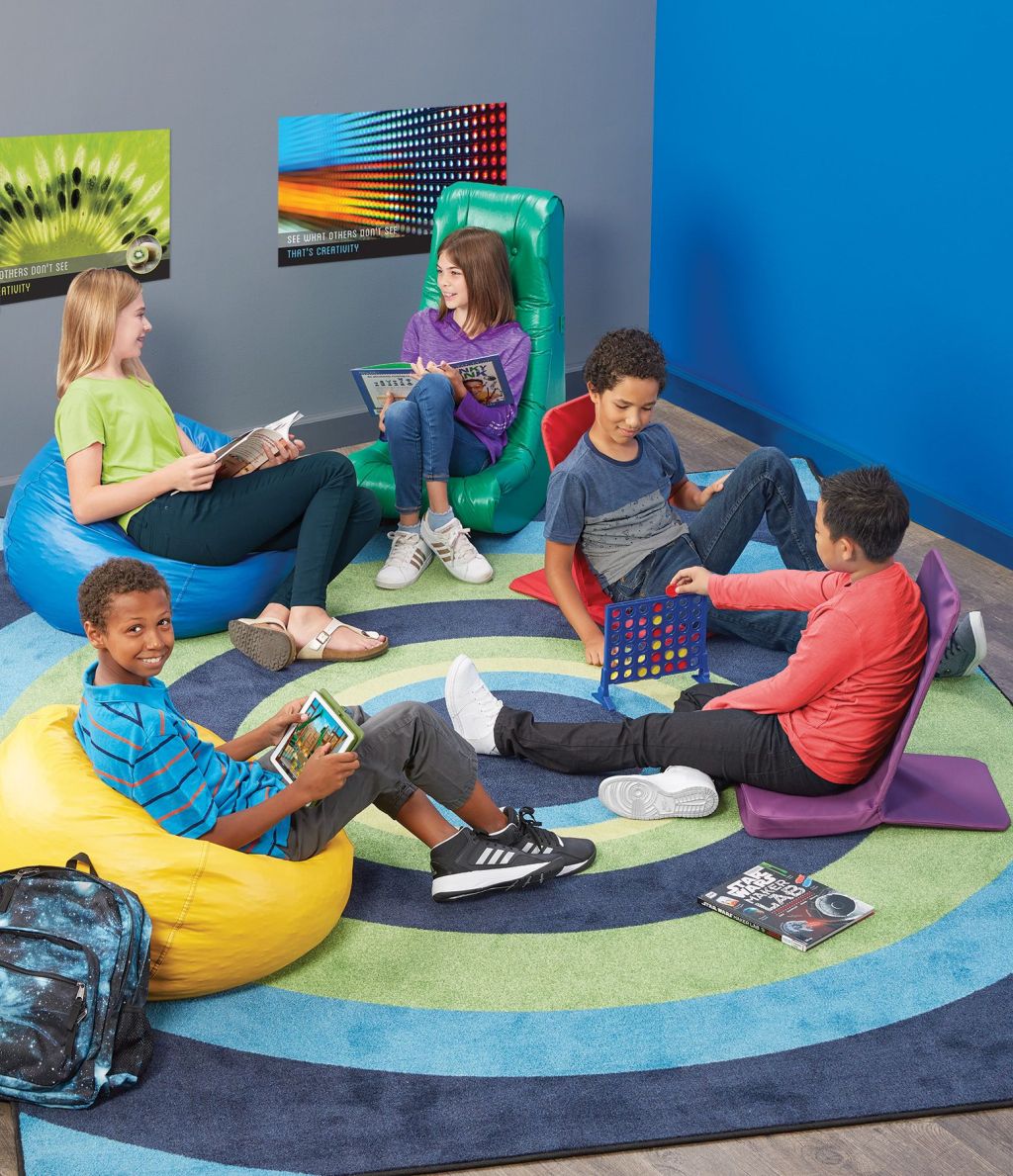
When it comes to traditional classrooms, the image that often comes to mind is rows of desks and chairs facing towards a teacher. However, in recent years, there has been a growing trend towards flexible seating in schools. Flexible seating refers to a classroom setup that allows students to choose where they sit and how they work. This can include options such as bean bags, standing desks, floor cushions, and even exercise balls.
While some may argue that this type of seating arrangement may be too casual or distracting for students, research has shown that there are numerous benefits to adopting flexible seating in the classroom.
1. Increased Engagement: One of the main benefits of flexible seating is increased student engagement. When students have the freedom to choose their preferred seat or workspace, they feel more empowered and motivated to actively participate in their learning. The ability to move around also helps prevent boredom and restlessness during long periods of sitting.
2. Improved Focus: Contrary to popular belief, providing students with choice and variety in their seating can actually improve their focus. Some students may find it easier to concentrate while sitting on an exercise ball or leaning against a high table rather than being confined to a desk chair. By catering to individual preferences and comfort levels, flexible seating helps create an environment conducive to focused learning.
3. Enhanced Collaboration: Flexible seating promotes collaboration among students by allowing them to easily form groups or work together on projects without being restricted by fixed desks or assigned seats. For example, having tables with wheels makes it effortless for students to gather around for group discussions or presentations.
4. Development of Life Skills: In addition to academic growth, flexible seating also supports the development of important life skills such as decision-making and problem-solving abilities. Students learn how different types of environments affect their productivity and gain insights into what works best for them individually when completing tasks – skills that will likely benefit them beyond the classroom setting.
5.Reduced Anxiety: Traditional classrooms with rigid seating arrangements can create anxiety for some students who may feel trapped or uncomfortable. On the other hand, flexible seating helps alleviate these feelings by providing a more relaxed and inviting atmosphere. This can be particularly beneficial for students with sensory sensitivities or those on the autism spectrum.
6. Increased Physical Activity: Another advantage of flexible seating is that it encourages physical activity throughout the day. By incorporating options like standing desks, stability balls, or even pedal exercisers, students have opportunities to move their bodies and engage in light exercise while learning. Research has shown that physical activity can improve cognitive function and overall well-being.
7. Personalized Learning: Every student has different needs and preferences when it comes to their learning environment. Flexible seating allows educators to tailor the classroom setup to accommodate these individual requirements, leading to a more personalized learning experience for each student.
8.Improved Classroom Management: Contrary to concerns about potential distractions caused by flexible seating arrangements, many teachers have found that implementing this approach actually improves classroom management. When students are given choices and responsibilities regarding their seating, they tend to take ownership of their behavior and become more self-regulated.
9.Creating a Positive School Culture: Embracing flexible seating sends a powerful message about valuing diversity in how individuals learn best. It fosters an inclusive culture where every student’s needs are respected – regardless of whether they prefer sitting at a desk or lounging on a bean bag chair.
Implementing flexible seating in schools may require some adjustments initially, but the benefits far outweigh any challenges that may arise during the transition period. From increased engagement and focus to improved collaboration skills and reduced anxiety levels, there are countless advantages associated with adopting this innovative approach to classroom design. As we continue exploring alternative methods of education, it is clear that flexible seating has an important role in creating dynamic learning environments that cater better towards students’ individual needs and preferences
 Alternative Amie
Leave a comment