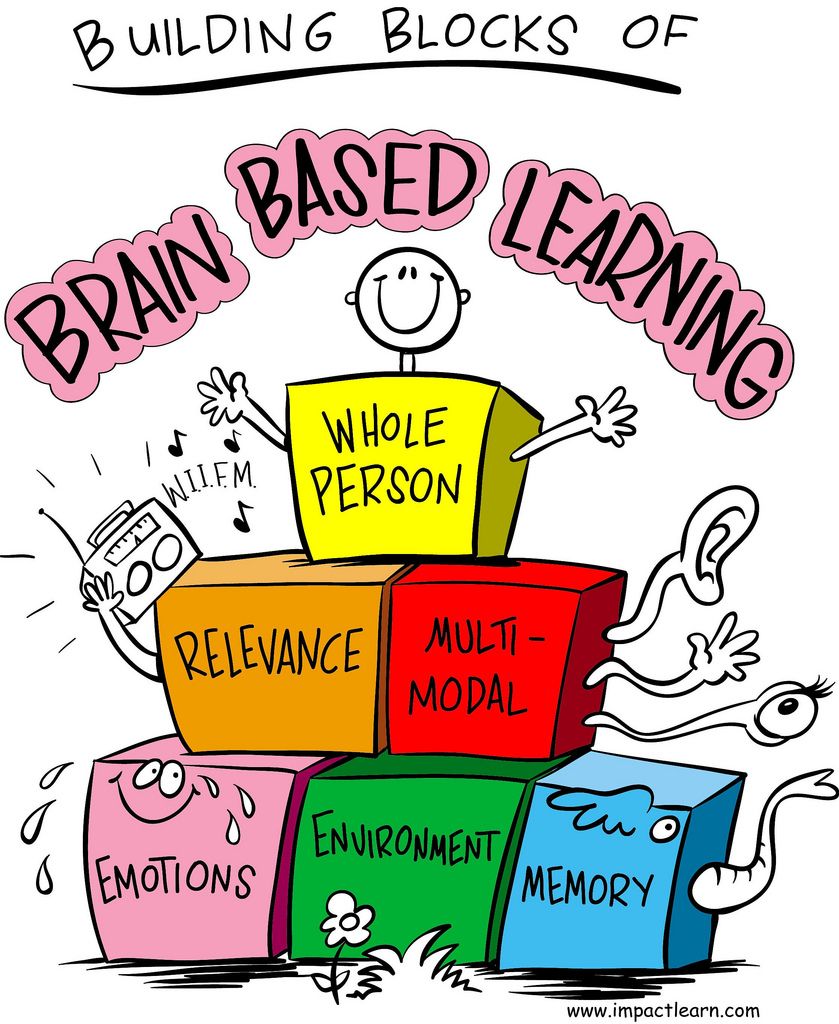
Brain-based teaching strategies are becoming increasingly popular in education as educators recognize the importance of understanding how the brain learns best. These strategies are grounded in scientific research about how the brain processes information, and they aim to create an optimal learning environment that maximizes students’ engagement and retention.
1. Provide a Positive Learning Environment
Creating a positive and supportive learning environment is crucial for effective brain-based teaching. When students feel safe, valued, and supported, their brains are more receptive to learning. Teachers can foster this by building strong relationships with their students, showing genuine interest in their well-being, and promoting a culture of respect and collaboration within the classroom.
2. Engage Multiple Senses
The brain is wired to process information from various sensory inputs simultaneously. By engaging multiple senses during instruction, teachers can enhance learning experiences for their students. For example, incorporating visuals such as diagrams or images alongside verbal explanations activates both visual and auditory processing areas of the brain, leading to better comprehension and retention of information.
3. Encourage Active Learning
Passive listening or reading alone is not sufficient for deep learning; active engagement is key. Brain-based teaching strategies emphasize hands-on activities that require students to actively participate in their own learning process. This could involve group discussions, problem-solving exercises, experiments, role-playing scenarios or any other activity that encourages student involvement.
4. Incorporate Movement into Lessons
Research suggests that movement enhances cognition by increasing blood flow to the brain and stimulating neural connections. Integrating physical movement into lessons can help improve attention span and memory retention among students. Teachers can incorporate simple movements like stretching breaks between lessons or utilize kinesthetic activities where students physically interact with concepts they are learning.
5. Utilize Brain Breaks
The human brain has limited attention span before it starts losing focus on the task at hand – especially among younger learners who have shorter attention spans naturally! Regularly scheduled “brain breaks” throughout the day allow students to recharge and refocus. These breaks could involve short physical activities, mindfulness exercises, or even quick games that promote mental agility.
6. Foster Emotional Connection
Emotions play a significant role in learning. Positive emotional experiences help create stronger neural connections and improve memory storage. Teachers can foster emotional connection by integrating personal stories, humor, or real-life examples into their lessons. Additionally, providing opportunities for students to share their thoughts and feelings about the topics being taught can enhance engagement and motivation.
7. Scaffold Learning
Brain-based teaching recognizes that learners construct knowledge gradually through prior experiences and existing understanding. Scaffolding refers to providing support structures that help students build upon their current knowledge base while challenging them to reach higher levels of understanding. Teachers can scaffold learning by breaking complex concepts into smaller, more manageable steps and progressively increasing the level of difficulty as students’ proficiency grows.
8. Promote Reflection and Metacognition
Metacognition refers to thinking about one’s own thinking processes – a powerful tool for deepening understanding and promoting self-regulated learning skills. Encouraging reflection on learning experiences helps students develop awareness of their strengths, weaknesses, strategies used for problem-solving, and areas where improvement is needed. Teachers can incorporate reflective activities such as journaling or group discussions into their lessons to cultivate metacognitive skills among students.
In conclusion, brain-based teaching strategies hold immense potential for optimizing student engagement and achievement in the classroom setting. By fostering positive environments, engaging multiple senses, encouraging active participation with movement breaks included throughout the day along with scaffolding learning experiences while promoting reflection on individual metacognitive growth – teachers can create an environment where all learners thrive academically while becoming better equipped for lifelong success beyond school walls!
 Alternative Amie
Leave a comment