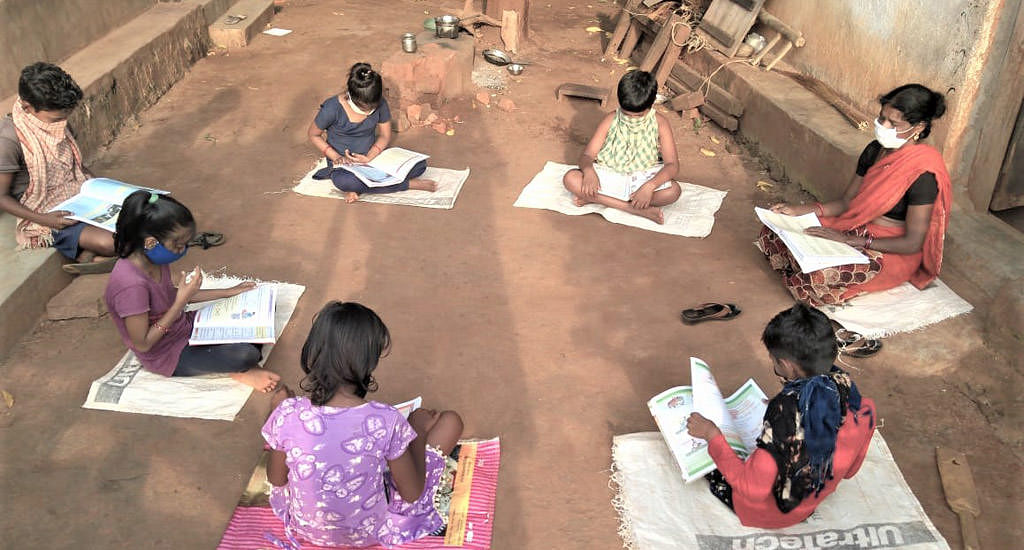
Bilingual Education in Rural Areas: Empowering Communities through Language
Introduction:
In recent years, there has been a growing recognition of the importance of bilingual education in rural areas. As our world becomes increasingly interconnected, the ability to communicate effectively in multiple languages has become a valuable skill. Bilingual education not only enhances students’ language proficiency but also provides them with a deeper understanding and appreciation of different cultures. In this article, we explore how bilingual education is making a positive impact on rural communities, empowering individuals to thrive academically and culturally.
Challenges Faced by Rural Communities:
Rural areas often face unique challenges that can hinder educational opportunities for their residents. Limited resources, including qualified teachers and relevant teaching materials, pose significant obstacles to providing quality education. Additionally, socio-economic factors such as poverty rates and lack of access to technology further exacerbate these challenges.
The Benefits of Bilingual Education:
1. Academic Advantages:
Research has consistently shown that bilingualism has cognitive benefits. Students who receive bilingual education outperform their monolingual peers in critical thinking skills, problem-solving abilities, and overall academic achievement. When children learn two languages simultaneously or sequentially from an early age, it stimulates brain development and increases flexibility in their thinking processes.
2. Cultural Awareness:
One of the most important aspects of bilingual education is its ability to foster cultural awareness among students. By learning another language, students gain insights into different cultures and traditions beyond their own community’s boundaries. This exposure promotes understanding and tolerance while breaking down stereotypes and biases that may exist between different ethnic groups within rural communities.
3. Economic Opportunities:
Equipping rural students with fluency in multiple languages significantly expands their future economic prospects by opening doors to various career paths both at home and abroad. In an increasingly globalized world where businesses seek employees with cross-cultural competencies, bilingual individuals have a competitive edge over others when seeking employment opportunities or pursuing higher education.
Successful Models of Bilingual Education in Rural Areas:
1. Dual Language Immersion Programs:
Dual language immersion programs have gained popularity as an effective model of bilingual education. These programs provide instruction in two languages, with the goal of achieving academic proficiency in both. Students from different language backgrounds learn together, benefiting from each other’s cultural knowledge and linguistic skills.
2. Community Partnerships:
Collaboration between schools and local communities is crucial for the success of bilingual education initiatives in rural areas. By involving community members who are native speakers or have strong ties to a particular language, schools can tap into valuable resources that enhance students’ learning experiences. This partnership also helps create a sense of pride and belonging within the community.
3. Technology Integration:
In rural areas where access to qualified teachers may be limited, technology can play a pivotal role in delivering quality bilingual education remotely. Online platforms, video conferencing tools, and interactive software enable students to connect with expert instructors regardless of their geographical location.
Challenges and Potential Solutions:
While there are many success stories surrounding bilingual education in rural areas, challenges persist that require attention:
1. Limited Resources: Inadequate funding often hampers efforts to implement comprehensive bilingual education programs in rural schools. Advocacy for increased financial support at the district and state levels is essential for overcoming this obstacle.
2. Teacher Preparation: Recruiting and retaining qualified teachers who possess fluency in multiple languages remains a challenge for rural communities due to lower salaries compared to urban areas or lack of professional development opportunities specific to bilingual education needs.
3. Parental Engagement: Engaging parents and caregivers is crucial for ensuring continued support for bilingual programs at home as well as providing insights into cultural aspects that can enrich classroom discussions.
Conclusion:
Bilingual education has emerged as a powerful tool in empowering individuals living in rural communities by providing them with enhanced cognitive abilities, intercultural understanding, economic opportunities, and improved academic outcomes overall. While challenges such as limited resources and teacher shortages persist, innovative approaches, community partnerships, and technological integration offer potential solutions. By investing in bilingual education, we can foster inclusive and thriving rural communities that are better equipped to face the challenges of an interconnected world.
 Alternative Amie
Leave a comment