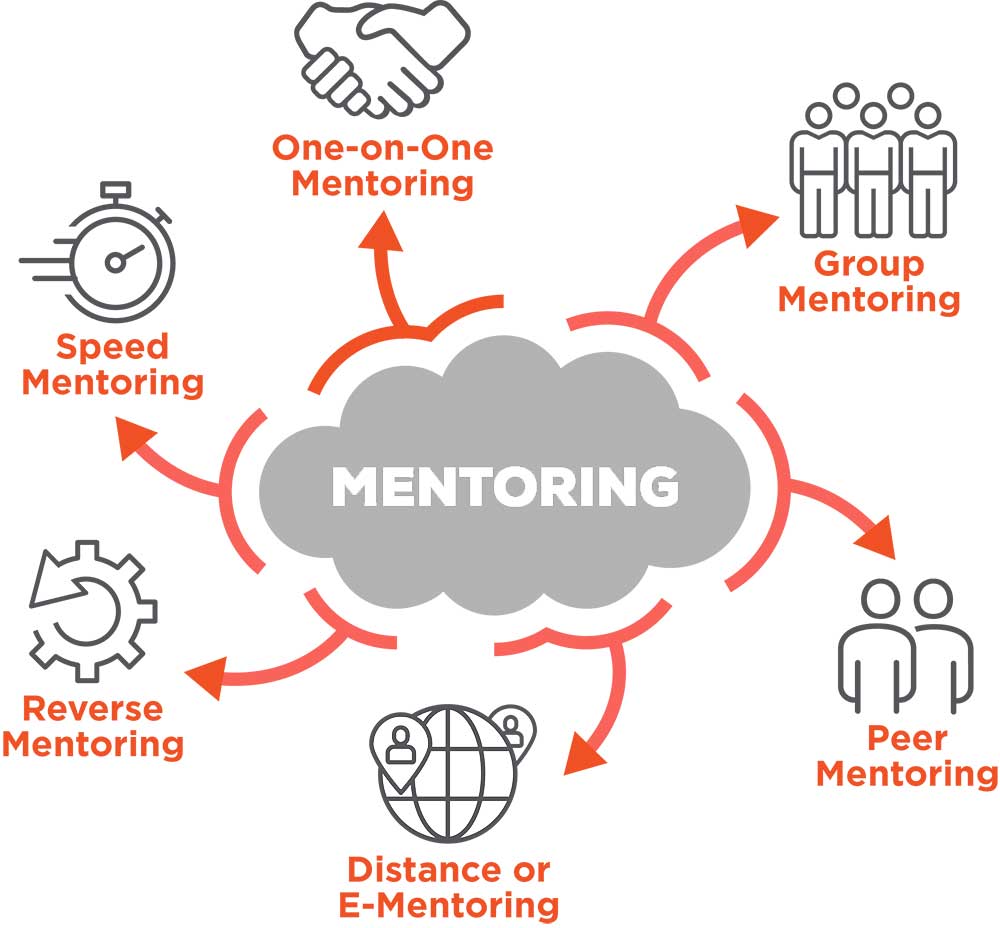
Peer mentoring programs are a valuable tool in alternative education settings. They provide students with the opportunity to learn from and support one another, fostering a sense of community and collaboration. Peer mentors can offer guidance, encouragement, and practical advice based on their own experiences.
Mentorship for students with learning disabilities is crucial in helping them navigate their unique challenges. These mentors can provide specialized support, such as study strategies, organization techniques, or assistive technology recommendations. By having someone who understands their struggles and has successfully overcome similar obstacles, students with learning disabilities can gain confidence and develop effective coping mechanisms.
At-risk youth often face numerous barriers to success in traditional educational settings. Mentorship programs tailored to their needs can provide them with positive role models who can help guide them towards making healthier choices and achieving academic success. Mentors may also assist with career exploration or connecting these students to resources within the community.
Vocational training mentorship programs play a vital role in preparing students for specific careers or trades. Whether it’s through apprenticeships or internships, mentors can impart industry-specific knowledge and skills while instilling work ethic and professionalism.
Homeschooling families sometimes seek mentorship opportunities to enhance their child’s educational experience outside of traditional classroom settings. Mentors can offer curriculum suggestions, share teaching methods, or serve as subject matter experts.
Project-based learning requires students to engage actively in hands-on projects that foster critical thinking skills. In such scenarios, mentors act as guides by providing feedback on project ideas, offering expertise when needed while encouraging independent problem-solving abilities.
Gifted and talented students often benefit from mentorship programs designed to challenge them intellectually further. These mentors create personalized learning plans that push these students beyond the standard curriculum by providing enrichment activities or connecting them with advanced coursework opportunities.
Outdoor education provides unique opportunities for personal growth and environmental awareness. Mentorship programs within this field allow experienced outdoor educators to pass on valuable skills like wilderness survival techniques, environmental conservation practices, and leadership development.
Entrepreneurship mentorship programs can be instrumental in helping students turn their innovative ideas into successful businesses. Mentors with entrepreneurial experience guide students through the process of developing business plans, marketing strategies, and financial management skills.
Mentorship in arts and creative fields exposes students to professionals who can provide valuable insights into artistic techniques, portfolio development, or career prospects within the industry. These mentors offer guidance on honing artistic skills while nurturing creativity and self-expression.
STEM careers are in high demand, and mentorship programs play a vital role in preparing students for success in these fields. STEM mentors inspire passion for science, technology, engineering, and mathematics by providing hands-on learning opportunities or connecting them with internships at research institutions or companies.
Social-emotional learning is a crucial aspect of holistic education. Mentorship programs that focus on emotional intelligence teach students essential life skills such as problem-solving techniques, effective communication strategies, and empathy building exercises.
Transitioning from traditional schooling to alternative education requires adjustment. Mentorship programs help ease this transition by connecting new students with experienced peers who can share their personal experiences navigating alternative educational paths.
Experiential learning emphasizes practical application of knowledge through real-world experiences. In experiential learning mentorship programs, mentors facilitate reflection on these experiences while guiding students towards deeper understanding and growth.
Students exploring alternative career paths often seek guidance outside traditional academic settings. Mentorships offer these individuals the opportunity to connect with professionals working in non-traditional careers who can provide advice on breaking into industries like freelancing or starting a social enterprise.
Community service and volunteerism mentorships promote civic engagement while teaching valuable skills like project management or event planning. Mentors serve as guides throughout the process of identifying community needs, developing action plans to address those needs effectively while fostering a sense of responsibility towards society.
Sustainable living and environmental education are critical components of alternative education systems that prioritize ecological consciousness. Mentorship programs focused on these areas connect students with environmental activists and experts who can offer guidance on sustainable practices, conservation efforts, and environmental advocacy.
Mindfulness and well-being practices have gained significant importance in recent years. Mentorships centered around mindfulness can teach students techniques for stress management, self-care routines, or meditation practices that promote overall well-being.
Self-directed learning mentorship programs empower students to take charge of their education by setting goals, planning their curriculum, and seeking out resources independently. Mentors provide support and guidance while fostering a sense of autonomy and self-motivation.
Peer-to-peer mentorship among alternative school students allows them to learn from one another’s experiences in a supportive environment. These mentors share tips on time management, study strategies or offer emotional support during challenging times.
Online mentorship platforms provide accessible opportunities for individuals seeking guidance outside their immediate community. These platforms connect mentees with mentors across various fields or expertise through virtual communication channels such as video calls or messaging apps.
Cross-age mentorship programs pair older students with younger peers to facilitate knowledge transfer within schools or educational organizations. This approach not only promotes academic growth but also builds strong bonds between different age groups within the student community.
Mentoring relationships with professionals from various industries allow students to gain insights into career options they may not have considered before. Mentors serve as valuable connections who can provide internships or job shadowing opportunities that expose students to potential future careers.
Parental involvement in mentorship programs is crucial for creating a supportive network that aligns home and school environments. By engaging parents as mentors, these programs establish stronger ties between families and educational institutions while providing additional guidance to the student recipients.
Mentoring opportunities during gap years or sabbaticals enable individuals to explore personal interests outside traditional academic settings before committing to specific career paths or further education. Mentors offer advice on gap year planning, travel experiences, volunteer opportunities, or internships that align with the mentee’s goals.
Mentorships focused on cultural diversity and inclusion promote understanding, empathy, and appreciation for different cultures. Mentors help students navigate intercultural experiences, challenge biases or stereotypes while fostering an inclusive environment within educational settings.
Mentorships that promote social justice and activism skills empower students to become agents of change in their communities. These mentors provide guidance on community organizing, advocacy tactics, or raising awareness about important social issues relevant to the student’s interests.
These 27 types of mentorship programs offer a wide range of opportunities for alternative schooling students. Whether it is through peer mentoring, specialized support for learning disabilities, career exploration in non-traditional fields, or personal growth in outdoor education or mindfulness practices – mentorship plays a crucial role in enhancing the educational journey of individuals pursuing alternative paths.
 Alternative Amie
Leave a comment