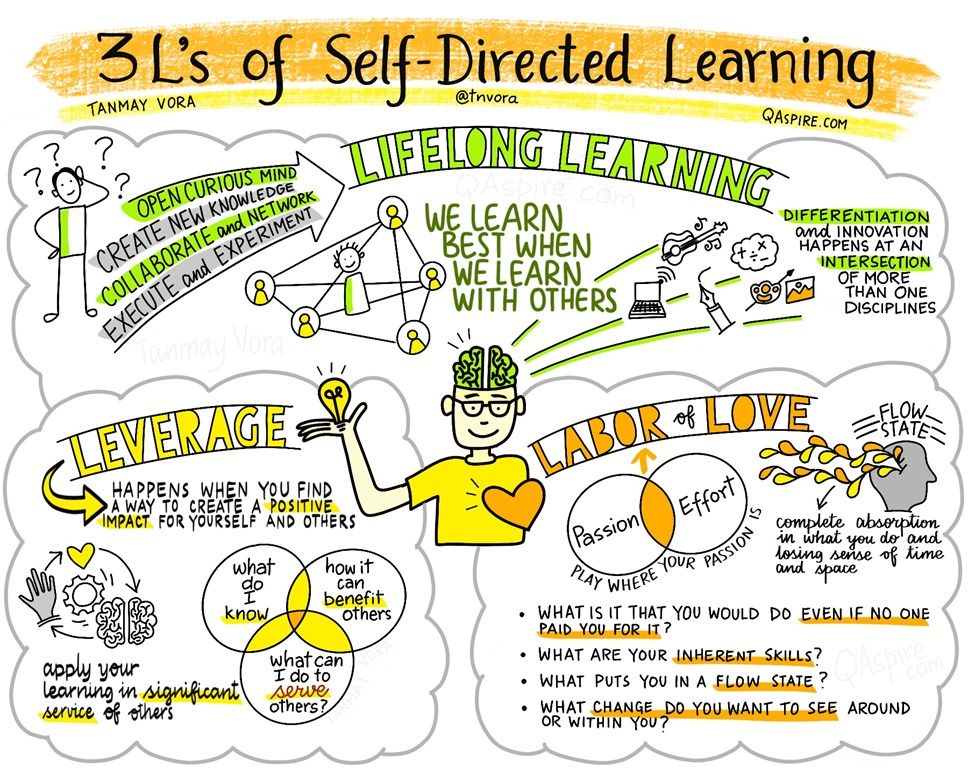
Self-Directed Learning: Unlocking the Power of Education
Traditional education has long been the norm, with students attending school and following a set curriculum designed by educators. However, an increasing number of individuals are now turning to self-directed learning as an alternative approach to education. This method allows learners to take control of their own educational journey, tailoring it to their unique interests and needs. In this article, we will explore the benefits and challenges of self-directed learning and why it is gaining popularity.
One of the key advantages of self-directed learning is its ability to foster intrinsic motivation in students. When individuals have agency over their own education, they become more engaged with the material they are studying. Instead of being passive recipients of information, they actively seek out knowledge that resonates with them personally. This drive for understanding and mastery propels them forward on their educational path.
Additionally, self-directed learners develop essential skills such as critical thinking, problem-solving, time management, and self-discipline. By taking responsibility for their own learning process, these individuals learn how to set goals and create strategies to achieve them effectively. They also become adept at managing their time efficiently since they have greater flexibility in determining when and how much time to allocate towards different subjects or activities.
Another advantage lies in the customization aspect of self-directed learning. Traditional schooling often follows a one-size-fits-all approach where all students are expected to progress at the same pace regardless of individual differences or strengths. Conversely, self-directed learners can adapt their studies based on personal preferences or career aspirations.
This personalized approach allows students to delve deeper into areas that genuinely interest them while bypassing topics that may not be relevant or engaging enough for them personally. For instance, if a student exhibits a strong passion for art history but lacks enthusiasm for mathematics, they can allocate more time toward researching artists from different eras rather than spending excessive hours solving complex equations.
However beneficial it may be, self-directed learning also presents its own set of challenges. Without a structured curriculum or external guidance, learners may struggle with the lack of clear direction. Self-discipline becomes crucial for individuals to remain focused and motivated in their quest for knowledge.
Moreover, self-directed learners may face limited access to resources and support systems that are readily available in traditional educational settings. Libraries, laboratories, and qualified teachers are often integral components of formal education that can be harder to access independently. However, advancements in technology have made it easier than ever before to bridge this gap through online courses, virtual communities, and digital libraries.
To overcome these challenges while reaping the benefits of self-directed learning, individuals should consider creating a robust support system around themselves. This can include joining online forums or local study groups where they can exchange ideas and seek feedback from like-minded peers. Seeking mentorship from subject matter experts or professionals within their field of interest is another valuable avenue for guidance.
In conclusion, self-directed learning provides an alternative approach to education that empowers students to take control over their own learning journey. By fostering intrinsic motivation and allowing customization based on individual interests and needs, this method cultivates essential skills such as critical thinking and time management. While it does present certain challenges including the need for self-discipline and limited access to resources, these obstacles can be mitigated by building a strong support system. As society continues to evolve rapidly in the digital age, self-directed learning offers a promising path for lifelong learners seeking meaningful education tailored specifically to their aspirations
 Alternative Amie
Leave a comment