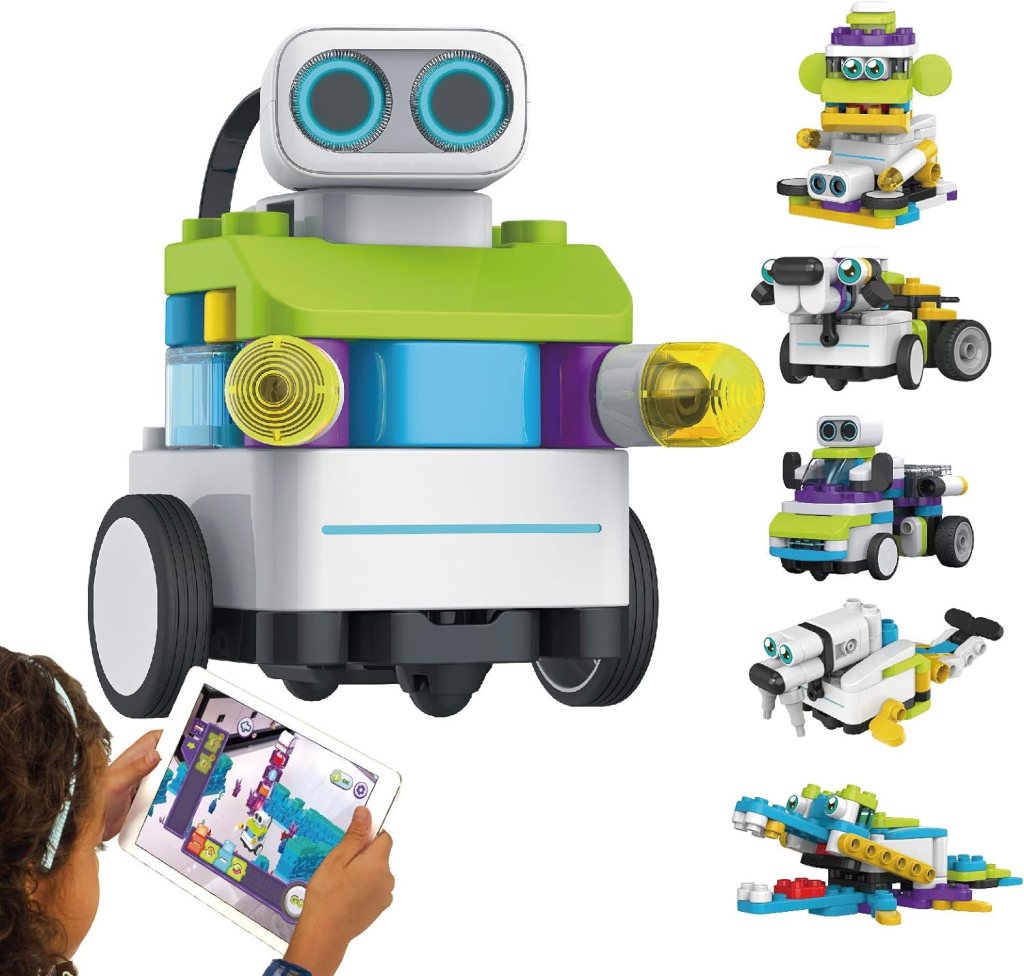
As the world becomes increasingly digital and technology-driven, it is crucial for our children to develop skills that will prepare them for the future. One area that has gained significant attention in recent years is robotics and coding for kids. These subjects not only provide a fun and interactive way for children to learn but also equip them with critical problem-solving, logical thinking, and creativity skills.
Robotics offers an exciting blend of science, engineering, mathematics, and computer programming. It involves designing, building, and programming robots to perform various tasks. By engaging in robotics activities, children gain hands-on experience in applying theoretical concepts to real-life situations.
One of the main benefits of introducing robotics at an early age is its ability to foster creativity. When children are presented with challenges or tasks that require robot design or programming solutions, they are encouraged to think outside the box. They can experiment with different ideas and explore innovative ways to solve problems creatively.
Moreover, robotics helps cultivate critical thinking skills as it requires students to break down complex problems into smaller parts and analyze each component individually. This process encourages systematic thinking while developing logical reasoning abilities.
Additionally, coding plays a fundamental role in robotics education. Through coding exercises specifically tailored for kids’ learning levels, young learners acquire valuable computational thinking skills necessary for understanding how algorithms work and how computers operate.
Coding helps children approach problems methodically by breaking them down into sequential steps using logic-based commands known as code lines or blocks. As they gain proficiency in coding languages like Scratch or Python (commonly used in introductory coding courses), children develop algorithmic thinking patterns that enable them to solve problems more efficiently.
Beyond academic development, robotics provides numerous opportunities for personal growth among youngsters. Working on team projects allows children to enhance their communication skills by collaborating effectively with peers towards achieving shared objectives.
Furthermore, participating in competitions such as First Lego League (FLL) or RoboCup Junior gives students the chance to showcase their knowledge and skills in a competitive environment. These events foster healthy competition, sportsmanship, and camaraderie among participants while encouraging them to apply their creativity and problem-solving abilities under pressure.
Robotics also bridges the gap between theory and practice by demonstrating the real-world applications of science, technology, engineering, and mathematics (STEM) concepts. By engaging with physical robots or simulators, children can witness firsthand how theoretical knowledge translates into practical solutions.
Moreover, robotics education offers an interdisciplinary approach that connects various academic fields. Students not only learn about robotics but also gain insights into physics (mechanics), mathematics (geometry and calculations), computer science (programming), and engineering principles.
Fortunately, there are numerous resources available for parents and educators interested in introducing robotics to children. Various organizations offer coding classes and workshops tailored specifically for kids’ age groups. Additionally, many schools have started incorporating robotics clubs or elective courses as part of their curriculum.
Additionally, several educational robot kits are readily available on the market today. These kits often come with user-friendly programming software that allows children to design their robots using modular components such as sensors, motors, wheels, etc. This hands-on experience enables children to develop technical skills while fostering creativity through customization options.
One notable example is LEGO Mindstorms which provides a versatile platform for building robots using LEGO bricks along with programmable sensors and motors. The accompanying software uses a block-based programming interface suitable for beginners while still allowing more advanced users to delve into text-based coding languages like C++ or Java.
Another popular option is VEX Robotics which offers a range of products catering to different skill levels – from elementary school kids to high school students. VEX provides comprehensive starter kits containing parts required for building robotic systems as well as intuitive programming environments suitable for beginners.
It is worth mentioning that even without access to specialized hardware or software tools like those mentioned above; there are many online platforms offering virtual robot simulations where children can explore the world of robotics and coding. These platforms provide a safe learning environment that allows children to experiment, make mistakes, and learn from them without any physical constraints.
In conclusion, introducing children to robotics and coding at an early age offers numerous benefits. Aside from being a fun and engaging way to learn, it equips kids with essential skills such as problem-solving, critical thinking, logical reasoning, creativity, communication, and teamwork. By bridging theoretical concepts with practical applications in real-life scenarios, robotics education provides a holistic approach to learning that connects various academic disciplines. Whether through physical robot kits or virtual simulations, there are plenty of resources available for parents and educators to nurture children’s interest in this exciting field. Investing in their future today will undoubtedly prepare them for the challenges they may face tomorrow in an increasingly technology-driven world.
 Alternative Amie
Leave a comment