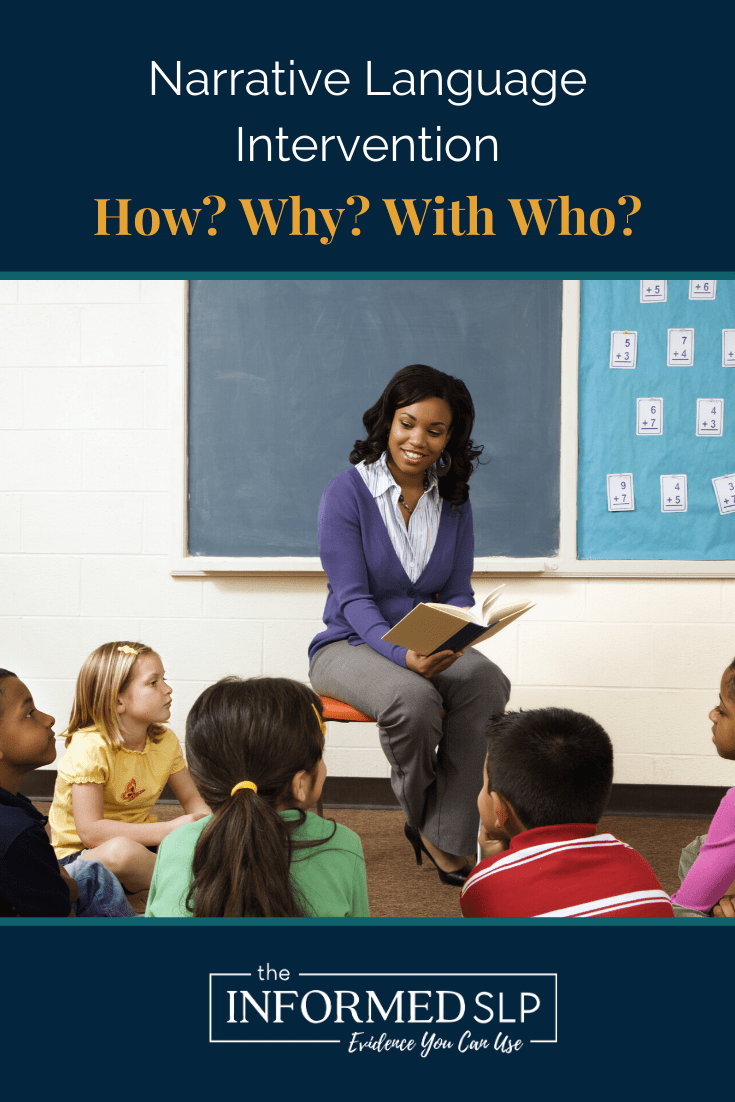
Narrative Assessment: A Holistic Approach to Evaluating Student Learning
In traditional education systems, assessment often revolves around standardized tests and objective measures of academic performance. However, an alternative approach known as narrative assessment is gaining recognition for its ability to provide a more comprehensive understanding of students’ learning journeys. This method focuses on storytelling and personal reflection, allowing educators to assess not just what students know but also how they think and feel about their own growth.
At its core, narrative assessment recognizes that each student has a unique story to tell about their educational experience. It goes beyond mere grades or test scores by incorporating qualitative data gathered through observations, interviews, and written reflections. By giving students the opportunity to reflect on their progress, strengths, challenges, and goals in a narrative format, educators can gain deeper insights into their individual learning processes.
One of the key benefits of narrative assessment is that it encourages self-awareness and metacognition among students. When asked to reflect on their learning experiences in writing or through conversations with teachers, students are prompted to analyze their own thinking patterns and evaluate the strategies they employ. This level of introspection fosters critical thinking skills while also cultivating a sense of ownership over one’s academic journey.
Furthermore, narrative assessment promotes meaningful engagement between teachers and students. Through ongoing dialogue and feedback exchanges centered around narratives, educators can build stronger relationships with their learners based on trust and mutual understanding. The open-ended nature of this approach allows for personalized guidance tailored to each student’s specific needs.
Another advantage of narrative assessment is its potential for promoting holistic development. Rather than focusing solely on academic achievements within narrow subject areas, this approach considers social-emotional growth as an integral part of education. Students are encouraged to reflect not only on knowledge acquisition but also on values formation, character development, interpersonal skills enhancement – all aspects essential for success in life beyond the classroom walls.
However beneficial it may be though; implementing narrative assessments does come with its own set of challenges. First and foremost, this approach requires a significant investment of time and effort from both educators and students. Teachers must carefully read, analyze, and provide thoughtful feedback on each student’s narrative, which can be time-consuming in larger classes. Students also need guidance to develop their reflective writing skills adequately.
Additionally, the subjective nature of narrative assessment may raise concerns about consistency and reliability across different evaluators or institutions. To address this issue, it is crucial to establish clear guidelines and criteria for evaluating narratives while allowing room for individuality and personal expression. Regular collaboration among educators can ensure alignment in assessment practices.
In conclusion, narrative assessment offers a powerful alternative to conventional evaluation methods by acknowledging the uniqueness of each student’s educational journey. It provides deeper insights into their learning processes while fostering self-reflection, metacognition, personalized guidance, and holistic development. Although implementing this approach requires careful planning and ongoing support for both teachers and students, its benefits make it a valuable addition to any educational setting dedicated to nurturing well-rounded individuals prepared for the complexities of the real world.
 Alternative Amie
Leave a comment