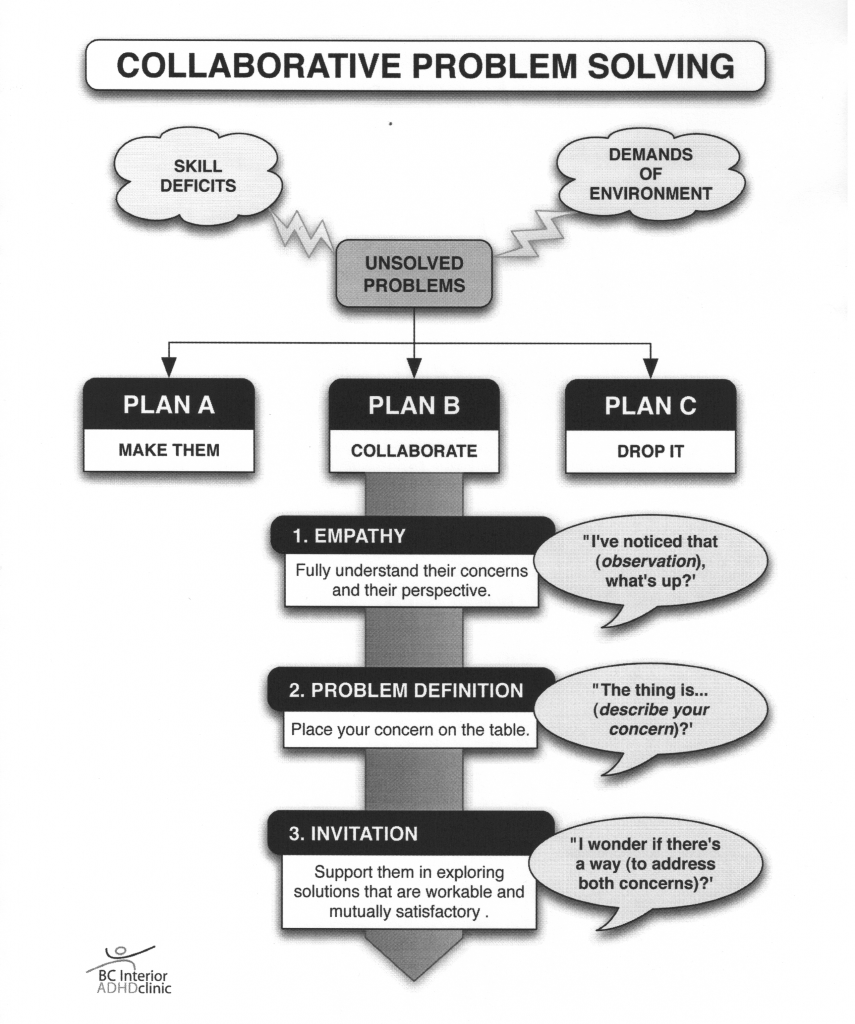
Collaborative Problem-Solving: Unlocking Creativity and Building Stronger Communities
In traditional educational settings, problem-solving is often seen as an individual endeavor. Students are expected to work independently, coming up with solutions on their own. However, in the real world, most problems require a collaborative approach. Whether it’s tackling complex social issues or finding innovative solutions in the workplace, effective collaboration and problem-solving skills are essential for success.
Alternative schooling and education models have long recognized the importance of collaborative problem-solving. These models encourage students to work together, harnessing their collective knowledge and creativity to find solutions. In this article, we will explore why collaborative problem-solving is crucial for personal growth and building stronger communities.
Why Collaborative Problem-Solving Matters
1. Fostering Creativity: Collaboration allows individuals from diverse backgrounds to come together and contribute different perspectives towards solving a problem. This diversity of thought sparks creativity by challenging preconceived notions and encouraging outside-the-box thinking. When people collaborate, they can tap into a wider range of ideas and possibilities than they would on their own.
2. Developing Communication Skills: Effective communication is at the heart of successful collaboration. When working in teams, individuals need to articulate their ideas clearly while actively listening to others’ viewpoints. Through collaborative problem-solving experiences, students develop strong communication skills such as active listening, empathy, negotiation, persuasion, and conflict resolution – all vital skills needed for personal growth and future careers.
3. Improving Critical Thinking: Collaborative problem-solving requires individuals to think critically about various aspects of a challenge or situation before proposing potential solutions. By engaging in discussions with teammates who bring different perspectives to the table, students learn how to analyze problems from multiple angles and evaluate possible outcomes more thoroughly.
4. Enhancing Social Skills: Working collaboratively helps students develop important social skills needed for successful teamwork such as trust-building, cooperation, compromise-making abilities that go beyond just academics. These skills are transferrable to other areas of life, including personal relationships and community involvement.
5. Encouraging Empathy and Understanding: When students collaborate with others who have different backgrounds, experiences, or opinions, they develop empathy and understanding. They learn to appreciate diverse perspectives and recognize the value of inclusivity in problem-solving processes. This fosters a sense of compassion and open-mindedness that can lead to more equitable solutions.
Strategies for Effective Collaborative Problem-Solving
1. Establish Clear Goals: Before starting any collaborative project, it’s essential to establish clear goals that everyone understands and agrees upon. Clearly defined objectives help keep the team focused on what needs to be achieved.
2. Create a Safe Space: Foster an environment where all participants feel safe expressing their ideas without fear of judgment or ridicule. Encourage active participation from all members by creating inclusive spaces where everyone’s voice is heard and respected.
3. Assign Roles: Assigning roles within a collaborative group ensures that each member has specific responsibilities and contributions towards solving the problem at hand. This promotes accountability while leveraging individual strengths for the benefit of the team.
4. Foster Effective Communication: Encourage open dialogue among team members by promoting active listening, constructive feedback, and effective communication strategies such as summarizing others’ points before responding or asking clarifying questions when needed.
5. Embrace Diversity: Actively seek out diverse perspectives by forming teams with individuals from different backgrounds, experiences, cultures, or academic disciplines whenever possible. The wider range of viewpoints will enrich discussions and enhance problem-solving outcomes.
6. Emphasize Reflection: Allocate time for regular reflection throughout the collaborative process – encourage individuals to reflect on their own contribution as well as evaluate the effectiveness of the overall teamwork approach used during problem-solving activities.
7. Celebrate Achievements Together: Recognize and celebrate both individual accomplishments as well as collective successes once a problem has been solved collaboratively successfully. This reinforces the importance of teamwork and encourages future collaborative endeavors.
Real-Life Examples of Collaborative Problem-Solving
1. Sustainable Community Projects: Many alternative schooling programs engage students in sustainable community projects, such as building community gardens or organizing recycling initiatives. These projects require collaboration among students, teachers, and community members to identify challenges and work together to find practical solutions that benefit everyone involved.
2. Social Justice Initiatives: Students involved in alternative education often tackle complex social issues through collaborative problem-solving. For example, they might organize awareness campaigns or create platforms for open dialogue on topics like racism, gender equality, or climate change. By working together towards a common goal, these students raise awareness and drive positive change within their communities.
3. Business Simulations: Alternative schools sometimes use business simulations as a way to teach students about collaboration and problem-solving in a real-world context. Through simulations like starting a mock company or launching a product, students learn how to work collaboratively to solve business challenges and make informed decisions.
Conclusion
Collaborative problem-solving is not only an essential skill for personal growth but also crucial for building stronger communities equipped to face the challenges of the 21st century effectively. By fostering creativity, developing communication skills, improving critical thinking abilities, enhancing social skills, encouraging empathy and understanding – collaborative problem-solving empowers individuals while creating inclusive environments where diverse perspectives are valued. To truly prepare our young learners for success in life beyond the classroom walls, educators must prioritize collaboration as an integral part of their teaching methods and curriculum design.
 Alternative Amie
Leave a comment