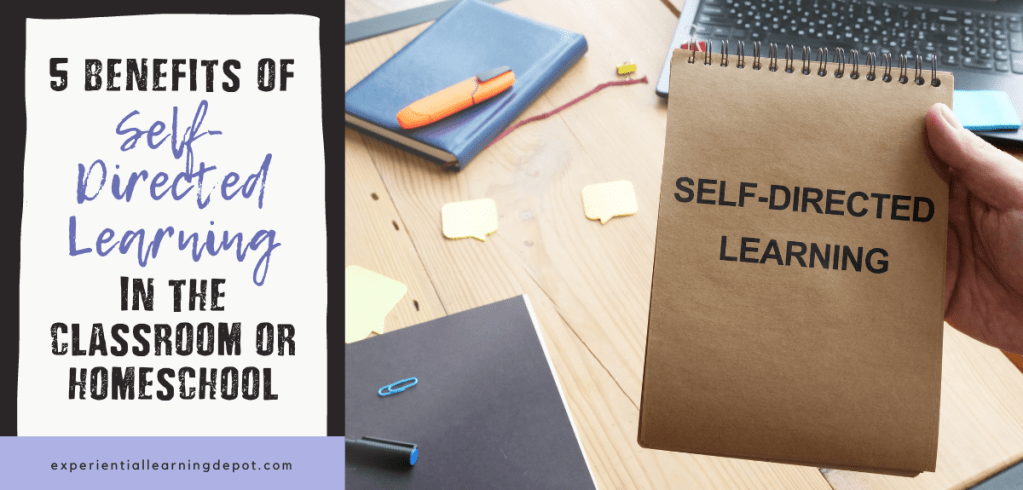
Hackschooling, also known as alternative schooling or self-directed learning, has gained popularity in recent years as a viable education option for students of all ages. With its focus on personalized learning and individual interests, hackschooling offers a unique approach to education that differs from traditional schooling methods.
One key distinction in alternative schooling is the concept of unschooling versus hackschooling. While both approaches prioritize student autonomy and self-direction, unschooling takes a more hands-off approach where children are not required to follow a set curriculum or formal structure. On the other hand, hackschooling combines elements of traditional education with individualized learning plans tailored to each student’s needs and interests.
Technology plays a crucial role in the success of hackschooling. With access to online resources, educational apps, and virtual classrooms, students can explore various subjects at their own pace and develop skills that align with their passions. Technology also enables collaborative projects among peers worldwide and provides opportunities for global connections.
Hackschooling can be particularly beneficial for children with special needs. By allowing them to pursue topics they are passionate about while accommodating their specific learning styles and challenges, hackschooling fosters an inclusive environment where these students can thrive.
Similarly, gifted children often benefit from the flexibility offered by hackschooling. They have the freedom to delve deeper into subjects they excel at or explore new areas of interest beyond what traditional schools may offer.
Critics argue that one potential drawback of hackschooling is limited socialization opportunities compared to traditional schools. However, proponents argue that socialization occurs naturally through community involvement, extracurricular activities such as sports or clubs, online forums or groups dedicated to specific interests.
Hackschooling is not limited to urban areas; it can also thrive in rural communities despite potential challenges related to limited resources or access to technology. The flexibility provided by alternative schooling allows students in rural areas to design their own curriculum based on their surroundings and local resources.
Teenagers can greatly benefit from hackschooling as they navigate the transition to adulthood. By allowing them to explore their passions, develop critical thinking skills, and pursue entrepreneurial ventures, hackschooling empowers teenagers to take ownership of their education and future endeavors.
Speaking of entrepreneurship, hackschooling provides an excellent foundation for budding entrepreneurs. By fostering creativity, problem-solving skills, and a self-directed mindset, alternative schooling prepares students to think outside the box and pursue innovative ideas.
Project-based learning is another integral component of hackschooling. Students are encouraged to engage in hands-on projects that align with their interests while developing essential skills such as research, planning, execution, and reflection.
Outdoor education is also emphasized in many hackschooling approaches. Recognizing the benefits of nature on mental health and overall well-being, alternative schools often incorporate outdoor activities into their curriculum.
Mindfulness practices play a significant role in promoting student well-being within the hackschooling environment. Techniques such as meditation or yoga help students develop self-awareness, emotional regulation skills, concentration abilities, and stress management techniques.
Hackschoolers are known for their ability to direct their own learning journey through self-directed learning. This approach allows students to take responsibility for setting goals, managing time effectively, seeking out resources independently while nurturing lifelong learning habits.
Alternative assessment methods are utilized within the realm of hackschooling. Rather than relying solely on standardized tests or grades as indicators of success or progress; projects portfolios or presentations may be used instead to showcase a student’s knowledge acquisition or skill development.
Community involvement plays a crucial role in the success of alternative schooling methods like hackschooling. Through partnerships with local businesses or organizations; students gain real-world experience by engaging in internships or community service projects tailored towards their interests.
Low-income communities can also benefit from the advantages offered by hackschooling. By eliminating financial barriers associated with traditional private schools; alternative schooling ensures that all students have access to a quality education tailored to their needs and interests.
Hackschooling promotes cultural diversity by embracing individual differences, experiences, and perspectives. Students have the opportunity to explore different cultures, traditions, and global issues through their personalized learning journeys.
Hackschooling is not limited to children or teenagers; it can also be valuable for adults seeking alternative education paths. Whether individuals are pursuing career changes or simply interested in furthering their knowledge in specific areas, hackschooling provides a flexible and personalized approach.
The impact of hackschooled graduates in the workforce has been significant. With their emphasis on critical thinking skills, self-motivation, adaptability, and creativity; these graduates often bring fresh perspectives and innovative solutions to various industries.
Parental involvement is crucial for the success of hackschooled students. Parents act as facilitators and mentors throughout the learning process while providing guidance and support as needed.
One potential challenge faced by hackschooled students transitioning into traditional education systems is adjusting to rigid structures, standardized curricula, and less autonomy over their learning journey. However, with proper support from educators and parents during this transition period; many students successfully navigate this change without major difficulties.
In conclusion, hackschooling offers a range of benefits across diverse populations. From special needs children to gifted learners; from rural communities to low-income areas; from teenagers exploring entrepreneurship opportunities to adults seeking alternative education paths – alternative schooling methods like hackschooling provide opportunities for individuals of all ages to take control of their learning journey. By prioritizing personal interests, fostering self-direction skills, promoting community involvement; hackschoolers are well-equipped for success in both academia and the workforce.
 Alternative Amie
Leave a comment