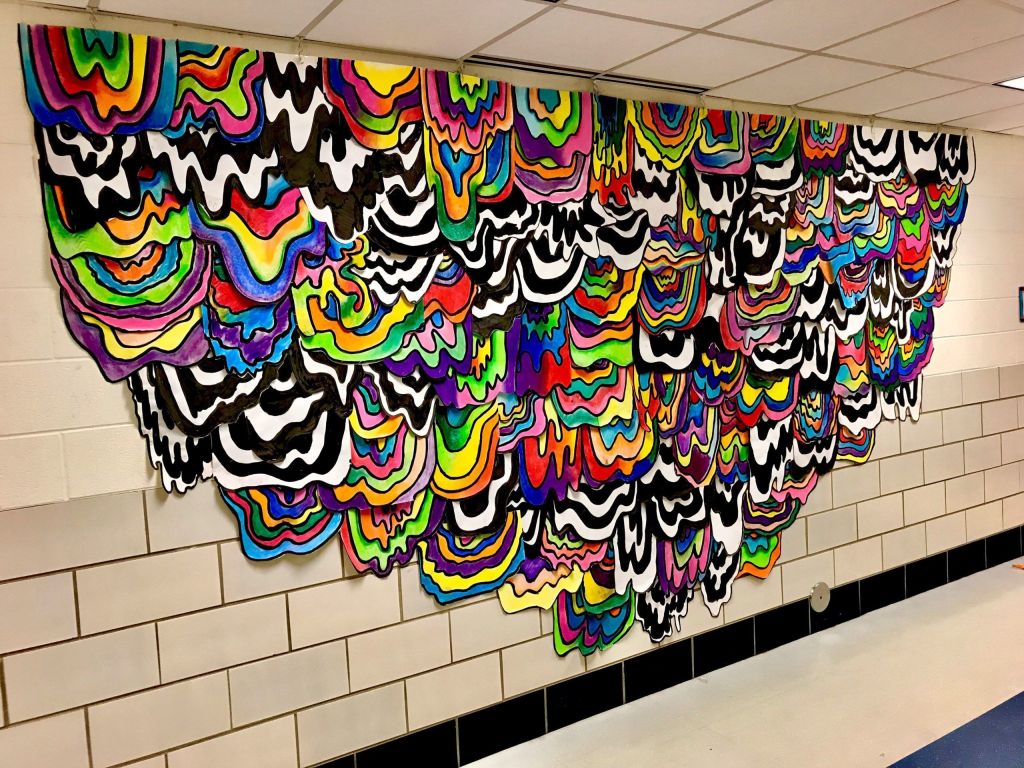
Collaborative Art Projects: Fostering Creativity and Connection in Alternative Education
In the world of alternative schooling and education, where creativity and innovation are nurtured, collaborative art projects have gained significant popularity. These projects provide students with a unique opportunity to explore their artistic abilities while fostering teamwork, communication skills, and a sense of belonging within the community.
One such collaborative art project is the creation of a mural. Students from diverse backgrounds come together to design and paint a large-scale artwork on a school wall or an outdoor space. This project not only enhances their artistic skills but also allows them to express themselves collectively, showcasing their shared values, dreams, and aspirations. The process involves brainstorming ideas as a group, discussing themes that resonate with everyone, sketching out designs collaboratively, and finally bringing those designs to life through painting.
Another exciting collaborative art project is the creation of an art installation using recycled materials. Students collect discarded objects like plastic bottles, cardboard boxes, old newspapers – anything that can be repurposed creatively for their installation. Working in teams or as a whole class, they transform these materials into thought-provoking sculptures or installations that convey powerful messages about environmental sustainability or social issues. Through this project, students learn the importance of recycling while utilizing their imagination to turn what others perceive as trash into meaningful pieces of art.
A third example is the production of short films or documentaries by collaborating with different classes or schools within the alternative education network. Each class contributes its expertise – some focus on scriptwriting while others handle cinematography or editing. By working together towards a common goal – telling stories through film – students develop essential skills such as storytelling techniques, camera operation, sound engineering, and collaboration across various disciplines. These films can be showcased at film festivals organized by alternative schools or even submitted to local competitions.
Collaborative art projects not only benefit students academically but also emotionally and socially. They create a sense of belonging and unity among students, as they work towards a shared goal. The projects encourage open communication, active listening, and respect for diverse perspectives. Students learn to appreciate the strengths and contributions of their peers, allowing them to develop empathy and teamwork skills that are essential for success in all aspects of life.
In addition to the educational benefits, these collaborative art projects contribute significantly to the alternative education community. They provide opportunities for students from different schools or classes to interact with one another, fostering a sense of camaraderie across institutions. These projects can also serve as showcases where parents, educators, and community members can witness the creativity and talent nurtured within alternative education.
Collaborative art projects are an integral part of alternative schooling and education. Through these initiatives, students not only get to express themselves creatively but also build essential life skills such as teamwork, communication, problem-solving, and empathy. As we continue to embrace alternative approaches in education that prioritize holistic development over rote learning, collaborative art projects offer a powerful avenue for growth while creating beautiful works of art that enrich our communities.
 Alternative Amie
Leave a comment