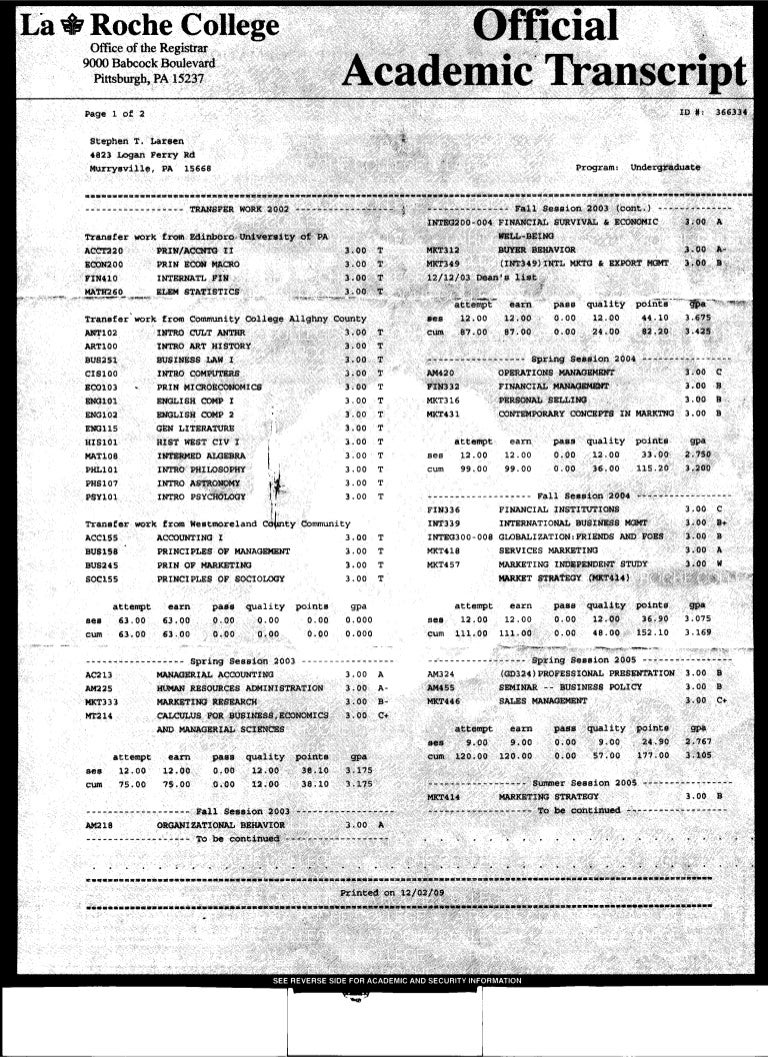
Building a Strong Transcript: A Guide to Alternative Education
In the current education landscape, alternative schooling and education options are gaining popularity. Many students are opting for non-traditional paths to pursue their interests and develop skills that align with their unique strengths. As a result, building a strong transcript has become increasingly important for those seeking admission into colleges or universities.
A transcript is essentially a record of your academic achievements, including courses taken, grades earned, standardized test scores, and extracurricular activities. It serves as an essential tool for college admissions officers to evaluate an applicant’s qualifications and potential fit within their institution.
While traditional schools have well-defined curricula and guidelines when it comes to transcripts, alternative education offers greater flexibility in designing your own educational pathway. Here are some key strategies to consider when building a strong transcript within the realm of alternative schooling:
1. Set Clear Goals:
Before embarking on your educational journey, take time to define your goals and aspirations. What subjects or fields interest you the most? What skills do you want to acquire? Having clear objectives will help you make informed decisions about which courses and activities to pursue.
2. Pursue Rigorous Courses:
To showcase your academic abilities, challenge yourself by enrolling in rigorous courses that demonstrate intellectual curiosity and dedication. This could include advanced placement (AP) classes or dual enrollment programs offered by local community colleges or universities.
3. Showcase Independent Projects:
Alternative education often emphasizes self-driven learning experiences such as independent research projects or creative endeavors outside of traditional classroom settings. These projects can provide concrete evidence of your commitment to exploring areas of interest and developing valuable skills.
4. Engage in Experiential Learning:
Participating in experiential learning opportunities like internships, apprenticeships, volunteering work, or community service can greatly enhance your transcript’s strength by showcasing real-world application of knowledge gained through alternative means.
5. Develop Marketable Skills:
Beyond academics, focus on building skills that are applicable across various fields and industries. This could include communication, problem-solving, leadership, teamwork, and adaptability. Highlighting these skills in your transcript will demonstrate your readiness for college and future career success.
6. Seek Mentorship:
Alternative education often provides opportunities to work closely with mentors or industry professionals who can guide you through your learning journey. Request letters of recommendation from these mentors as they can provide valuable insight into your personal growth and dedication to self-directed learning.
7. Document Extracurricular Activities:
Participating in extracurricular activities such as clubs, sports teams, student organizations, or community initiatives can round out your educational profile. These engagements showcase your ability to manage time effectively while pursuing diverse interests beyond academics.
8. Prepare a Comprehensive Portfolio:
In addition to a traditional transcript, consider creating a comprehensive portfolio that includes samples of your work, project summaries, letters of recommendation, and any other relevant documentation showcasing the breadth and depth of your alternative education experience.
9. Leverage Standardized Testing:
While many alternative education programs do not prioritize standardized testing like SAT or ACT scores, achieving strong results in these exams can still bolster your application by providing an additional measure of academic abilities.
10. Seek Guidance from Admissions Counselors:
When applying to colleges or universities with non-traditional transcripts, it’s crucial to reach out to admissions counselors beforehand for guidance on how best to present your unique educational background effectively.
Building a strong transcript within the realm of alternative education requires thoughtful planning and intentional decision-making about courses taken and experiences pursued. By setting clear goals, engaging in rigorous coursework and experiential learning opportunities while documenting achievements along the way will help you create a compelling narrative that showcases both academic excellence and personal growth—a key aspect desired by college admissions officers seeking well-rounded individuals ready for the challenges ahead.
 Alternative Amie
Leave a comment