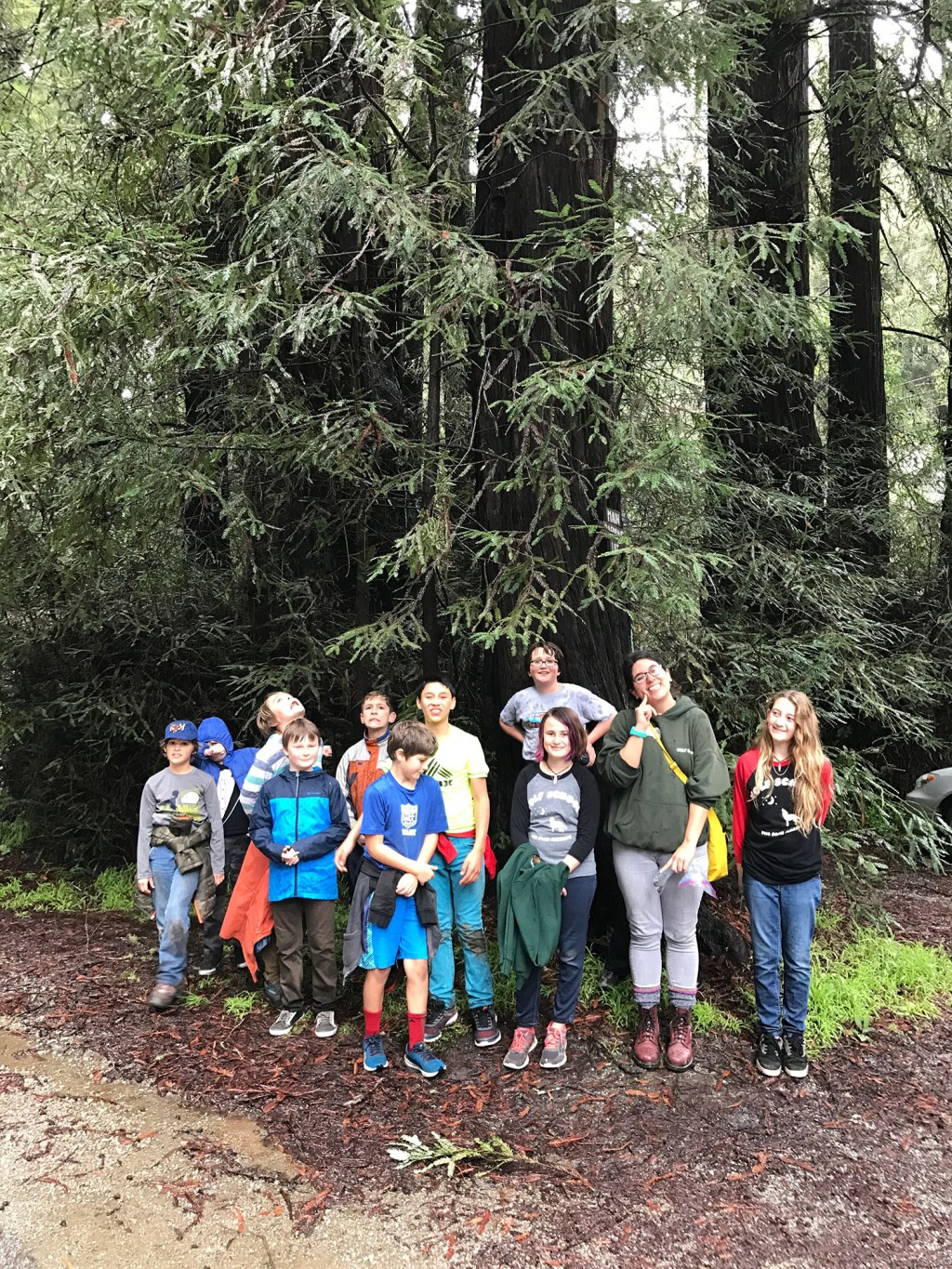
Outdoor Experiential Learning: The Benefits of Taking Education Outside
In today’s fast-paced world, traditional classroom settings may not always be the most effective way to engage and educate students. As a result, alternative forms of education, such as outdoor experiential learning, are gaining popularity. This approach takes students out of the confines of four walls and immerses them in real-world experiences that enhance their learning journey. In this article, we will explore the numerous benefits of outdoor experiential learning.
1. Hands-on Learning:
One of the key advantages of outdoor experiential learning is that it provides hands-on experiences for students. Instead of simply reading about concepts or listening to lectures, students actively participate in activities related to their subjects. For instance, biology lessons can be conducted outdoors where students can observe plants and animals in their natural habitats. This immersive experience helps solidify knowledge and fosters a deeper understanding.
2. Connection with Nature:
Spending time outdoors allows students to connect with nature on a personal level. Whether it’s hiking through forests or exploring ecosystems by a riverbank, being in nature stimulates curiosity and instills respect for the environment. Students develop an appreciation for biodiversity and learn how they can contribute towards its conservation.
3. Social Skills Development:
Outdoor experiential learning often involves group activities where students collaborate with their peers to solve problems or complete tasks. These interactions improve communication skills as well as foster teamwork and cooperation among classmates. Working together outside the traditional classroom setting encourages creativity, adaptability, and enhances interpersonal relationships.
4. Physical Health Benefits:
Unlike sedentary classroom-based learning, outdoor experiential education promotes physical activity among students which has positive impacts on their overall health and well-being. Engaging in activities such as hiking, camping or even participating in team-building exercises strengthens muscles, improves cardiovascular health while reducing stress levels.
5.Critical Thinking Skills:
When faced with challenges outside the classroom, students are forced to think critically and find creative solutions. Outdoor experiential learning encourages problem-solving skills as students navigate through unfamiliar terrains or respond to real-world scenarios. This type of thinking prepares them for life beyond school by equipping them with essential skills such as adaptability, resilience, and resourcefulness.
6. Environmental Stewardship:
Exposure to outdoor education sparks a sense of responsibility towards the environment. Students become aware of environmental issues like pollution or deforestation and develop a deeper understanding of their impact on ecosystems. Through hands-on activities like tree planting or waste management projects, they learn how small actions can make significant positive changes in their surroundings.
7. Emotional Well-being:
Being in nature has been proven to have a positive impact on mental health and emotional well-being. Outdoor experiential learning provides an escape from the pressures of traditional classrooms, allowing students to experience a sense of freedom and relaxation. The natural environment promotes mindfulness and reduces stress levels among both students and educators alike.
8.Cultural Appreciation:
Outdoor experiential learning often involves visits to historical sites or interacting with different communities. This exposure allows students to gain cultural insights firsthand while fostering respect for diverse traditions and perspectives. Such experiences broaden their worldview and nurture empathy towards others.
In conclusion, outdoor experiential learning offers numerous benefits that go beyond those provided by traditional classroom settings alone. By embracing this alternative form of education, we can unlock new possibilities for student growth, foster holistic development, promote environmental stewardship, enhance critical thinking skills, improve mental health, and cultivate a lifelong love for learning – all while enjoying the wonders nature has to offer.
 Alternative Amie
Leave a comment