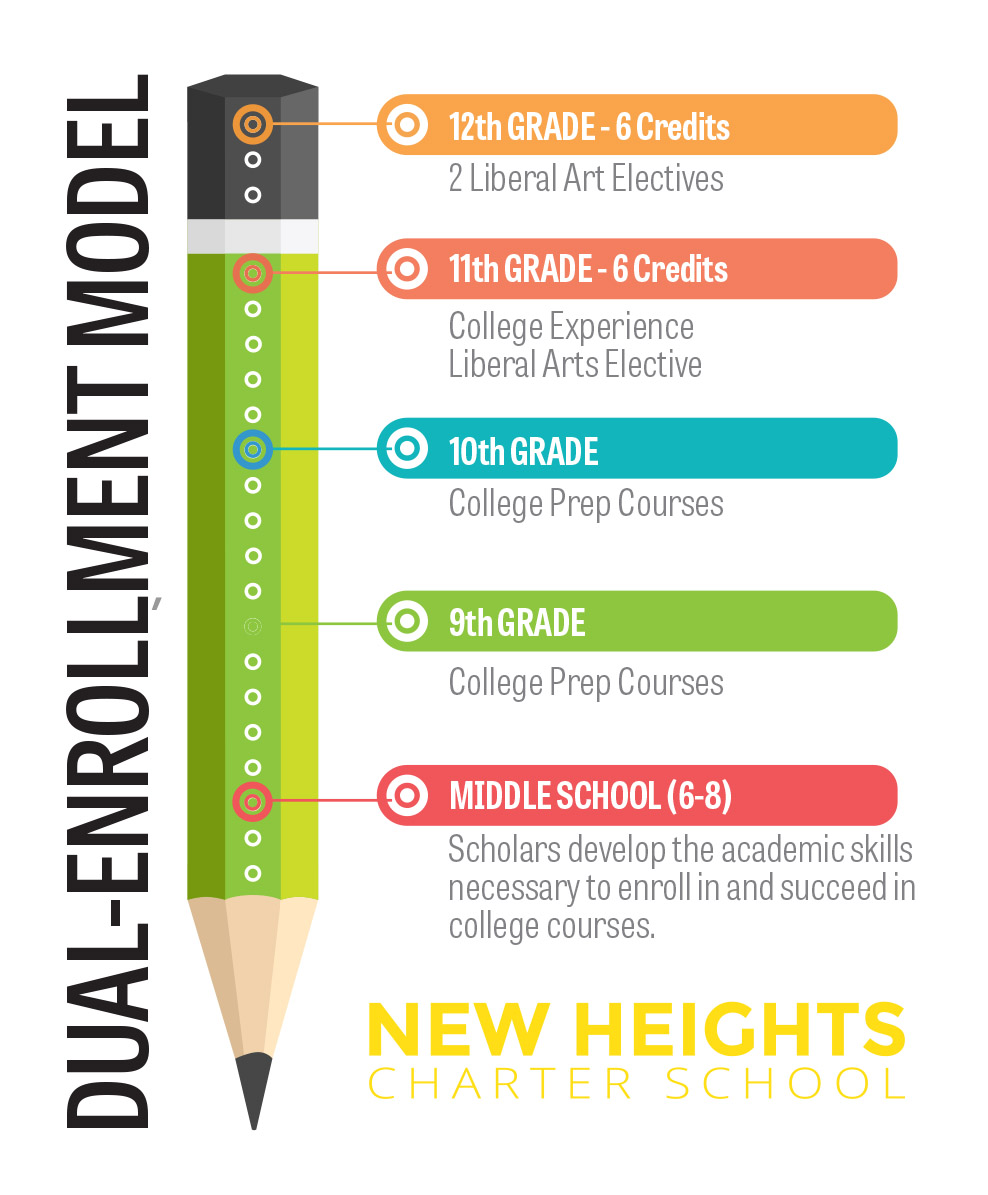
Dual enrollment programs have become increasingly popular in recent years, providing high school students with the opportunity to take college-level courses while still earning credits towards their high school diploma. These programs offer a range of benefits for all types of students, including those with learning disabilities. In fact, dual enrollment can be particularly advantageous for students with learning disabilities as it allows them to experience an inclusive college environment and gain valuable skills that will aid them in their transition to post-secondary education or employment.
1. Academic Challenge:
One of the main advantages of dual enrollment for students with learning disabilities is the academic challenge it presents. By taking college-level courses, these students are exposed to more rigorous coursework that demands critical thinking and independent study skills. This exposure helps bridge the gap between high school and college expectations, ensuring a smoother transition when they pursue higher education.
2. Accommodations and Support:
Students with learning disabilities often require accommodations and support services to succeed academically. Dual enrollment programs typically offer similar support services as colleges do, such as access to disability resource centers, specialized tutoring, note-taking assistance, extended time on exams, and assistive technology resources. These accommodations level the playing field for students with learning disabilities by providing necessary tools and support.
3. Access to Specialized Instruction:
In many cases, dual enrollment classes are taught by professors who specialize in teaching students with diverse needs. These instructors have experience working with learners who may require additional support or alternative teaching methods due to their specific learning challenges. As a result, students benefit from tailored instruction that addresses their individual needs effectively.
4. Social Integration:
Participating in dual enrollment enables students with learning disabilities to interact with peers outside the traditional high school setting. They have opportunities to meet other motivated individuals who share similar goals and aspirations for higher education or career paths after high school graduation. This social integration fosters friendships based on shared interests rather than being limited solely within one’s own special education program.
5. Building Confidence:
Success in dual enrollment courses can significantly boost the confidence and self-esteem of students with learning disabilities. As they successfully complete college-level coursework alongside their non-disabled peers, they gain a sense of accomplishment and belief in their abilities. This newfound confidence often translates into increased motivation to pursue further education or career opportunities.
6. College Readiness:
Dual enrollment provides an excellent opportunity for students with learning disabilities to assess their readiness for college-level work. By experiencing the academic demands firsthand, these students can determine if they need additional support or accommodations when pursuing higher education. They can also identify areas where they may need extra preparation before fully engaging in post-secondary studies.
7. Credit Transferability:
One significant advantage of dual enrollment programs is the ability to earn transferable college credits while still in high school. These credits can be applied towards a degree program at a later stage, potentially reducing both time and financial burden during college years. For students with learning disabilities who may require additional time or support, this credit transferability allows them to stay on track academically without falling behind.
8. Career Exploration:
Finally, dual enrollment enables students with learning disabilities to explore different career paths and fields of study before committing fully to one particular direction. By taking various courses that align with their interests, they can gain insight into potential future careers and make informed decisions about their educational journey beyond high school.
In conclusion, dual enrollment programs offer valuable opportunities for students with learning disabilities seeking post-secondary success by providing challenging academics, necessary accommodations, specialized instruction, social integration, confidence building experiences, college readiness assessment options, credit transferability benefits, and career exploration possibilities. Students who take advantage of these programs are better equipped for the transition from high school to higher education or employment due to the skills gained through participating in inclusive environments that foster independence and growth.
 Alternative Amie
Leave a comment