Gifted education is a topic that encompasses a wide range of issues and considerations. From the identification and assessment of giftedness to the social and emotional needs of gifted learners, there are numerous factors that must be addressed in order to provide appropriate support and opportunities for high-ability students.
One area of concern within gifted education is the underrepresentation of minority groups in gifted programs. Despite efforts to promote diversity and equity, there is still a significant disparity in access to these programs among different racial and ethnic backgrounds. This lack of representation not only denies talented individuals from diverse communities the chance to reach their full potential but also perpetuates inequalities in educational outcomes. It is crucial for educators, policymakers, and parents to work together to address this issue by implementing inclusive identification processes, providing culturally responsive instruction, and fostering supportive learning environments.
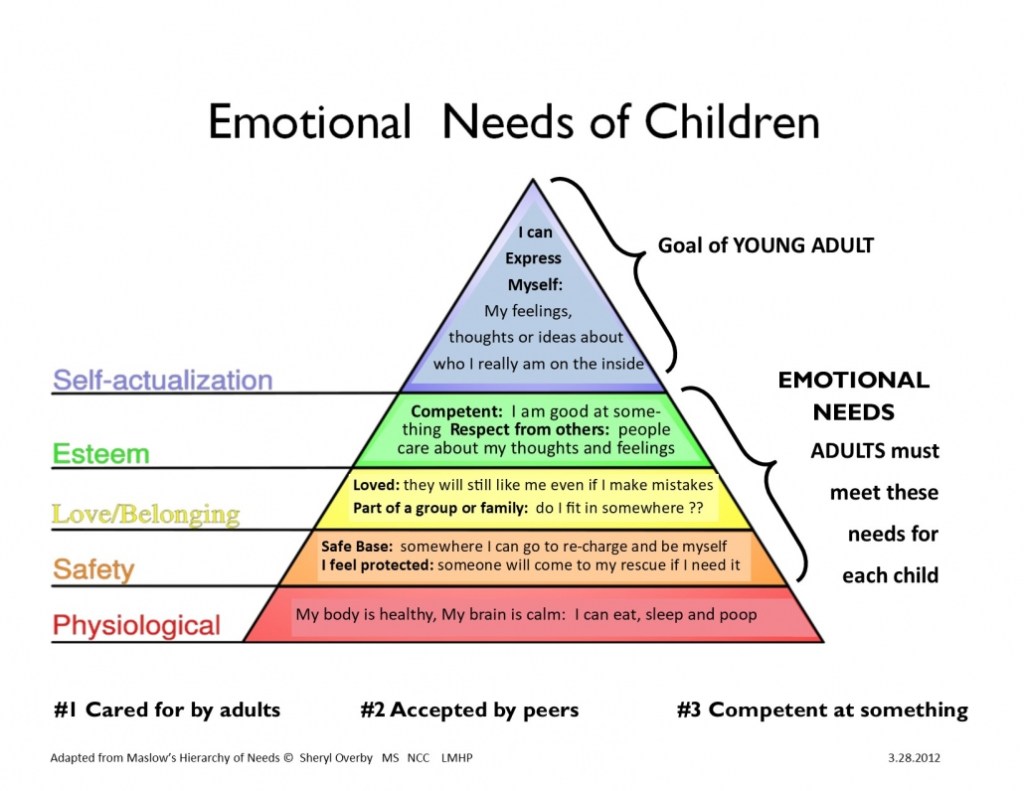
Another important aspect of supporting gifted learners is recognizing their social and emotional needs. Gifted students often experience unique challenges such as perfectionism, anxiety, or feelings of isolation due to differences in intellectual abilities or interests. It is essential for educators to create safe spaces where these students can express themselves freely, receive appropriate guidance on managing stress or self-imposed expectations, and build positive peer relationships through activities such as group projects or extracurricular clubs.
Differentiated instruction plays a vital role in meeting the diverse learning needs of gifted students. Traditional classroom settings may not always adequately challenge intellectually advanced learners who grasp concepts more quickly or require greater depth in content knowledge. Differentiating instruction involves tailoring teaching methods, materials, and assessments based on individual student’s strengths, interests, readiness levels,and preferred learning styles while ensuring they have access to rigorous curriculum options like acceleration or enrichment programs.
Creativity and innovation are fundamental aspects of gifted education as they encourage critical thinking skills beyond conventional boundaries.Making room for creative expression enables high-ability students to explore new ideas,multiple perspectives,and unconventional problem-solving approaches.Teachers can foster creativity by incorporating project-based learning, open-ended assignments, and opportunities for independent research or entrepreneurship.
Policies and legislation are crucial in ensuring that gifted education is supported at both the national and local levels. Adequate funding, resources, and professional development opportunities for teachers are key components of effective gifted programs. Additionally, policies should aim to reduce disparities in access to gifted education by implementing fair identification processes and providing support for underrepresented populations.
Talent development programs offer specialized instruction and enrichment activities to nurture the unique abilities of gifted students. These programs may be offered within school settings or through external organizations. By providing challenging coursework, mentorship opportunities, competitions,and other enrichment experiences,talent development programs contribute significantly to the holistic growth of high-ability learners.
Gifted education in rural areas presents its own set of challenges due to limited resources and access to specialized services.Rural communities often face difficulties in identifying gifted students,maintaining qualified staff,and offering advanced coursework.However,rural schools can leverage technology such as online classes,virtual collaborations with experts,and distance learning initiatives to bridge these gaps.Proactive collaboration among educators,policymakers,and community members is essential for creating equitable educational opportunities for all students regardless of their geographic location.
Parent involvement plays a critical role in supporting gifted learners.Parents can advocate for appropriate educational provisions,enrichment activities,out-of-school learning opportunities,and social-emotional support systems.They can also collaborate with educators on developing individualized plans tailored to their child’s needs.Parents’ involvement helps create a nurturing environment that fosters intellectual curiosity,self-confidence,resilience,and academic achievement.
Identification and assessment processes are fundamental in identifying intellectually advanced individuals.Identification methods may include standardized tests,portfolios,self-referrals,recommendations from teachers or parents,critical thinking assessments,interviews,samples of creative work,or observations across various domains.While traditional measures like IQ tests play a role,it is important not to rely solely on them as they may overlook certain gifted populations such as twice-exceptional students or those from culturally diverse backgrounds.
Peer relationships and socialization are essential components of a well-rounded education experience for gifted students. Creating opportunities for these learners to interact with each other can help combat feelings of isolation, provide a supportive community, and foster collaboration. Gifted programs should emphasize the development of strong interpersonal skills while also addressing the unique challenges that may arise in peer relationships among high-ability individuals.
Dual enrollment options offer intellectually advanced students the opportunity to take college-level courses while still in high school. This allows them to earn both high school and college credits simultaneously, saving time and money on their post-secondary education. Dual enrollment programs provide an enriched learning environment where gifted learners can be challenged academically and gain valuable experiences before transitioning to higher education.
Homeschooling is another option for families seeking personalized educational experiences for their gifted children.Homeschooling allows flexibility in curriculum design,pacing,and individualized attention.Parents can tailor instruction based on their child’s interests,strengths,and learning preferences.Homeschooled gifted children often have access to enrichment activities outside of traditional classroom settings such as field trips,tutoring partnerships,museums,and community-based programs.
Technology plays a crucial role in supporting gifted education by providing access to resources,differentiated instruction platforms,virtual collaborations,simulations,research tools,and online communities.It helps bridge geographical barriers,enables self-paced learning,and fosters creativity through digital creation tools.Technology integration should be purposeful,intentional,and focused on enhancing student engagement,collaboration,critical thinking skills,and global connections within the field of gifted education.
Project-based learning offers high-ability students opportunities to engage in complex problem-solving tasks,investigate real-world issues,pursue independent inquiries,or create innovative solutions.Projects encourage critical thinking,inquiry-based approaches,self-direction,time management,collaboration,risk-taking,and presentation skills.They allow students to explore their interests,apply knowledge in meaningful ways,and develop a deep understanding of the subject matter.Project-based learning provides an authentic and engaging learning experience for gifted learners.
Addressing perfectionism and anxiety is crucial in supporting the well-being of gifted students. The pressure to excel academically can lead to high levels of stress.Perfectionists may become overwhelmed by self-imposed expectations,resulting in anxiety,reduced motivation,burnout,or even mental health issues.Teachers and parents should create a supportive environment that emphasizes effort over outcome,teaches resilience,and promotes self-care strategies such as mindfulness or stress management techniques.
Career planning and guidance for intellectually advanced students involve helping them explore their passions,talents,and potential career paths.Educators can provide opportunities for internships,mentorship programs,career fairs,and exposure to various professions.They can also facilitate discussions about college majors,scholarship options,college admissions processes,vocational training programs,or entrepreneurship pathways.Career guidance should be tailored to individual strengths,interests,and aspirations while considering future job market trends.
Culturally responsive teaching within the context of gifted education recognizes and values diverse cultural backgrounds,prior experiences,languages,social norms,family dynamics,and community contexts.It involves incorporating culturally relevant content into curriculum,inclusive instructional practices,respecting multiple perspectives,fostering positive identity development,nurturing cultural pride,and partnering with families from different cultural backgrounds.Culturally responsive classrooms promote equity,inclusion,the celebration of diversity,and help all students thrive.
Collaboration between regular and special education teachers is essential in meeting the needs of high-ability learners with diverse profiles.This collaboration ensures that both general education and special education resources are available when necessary.Teachers can work together on differentiated instruction plans,assignments modifications,integrating assistive technology,making accommodations or adaptations as needed.Ongoing communication,supportive team dynamics,data sharing,and professional development opportunities contribute significantly to effective collaboration efforts.
Advocacy for equitable access to gifted programs is crucial in ensuring that all high-ability students have the opportunity to reach their full potential.Advocates can work with policymakers,school administrators,teachers,and parents to promote fair identification methods,reduced barriers for underrepresented populations,culturally responsive practices,inclusive curriculum options,adequate funding,and professional development opportunities.Advocacy efforts should aim to create a system that recognizes and supports giftedness in all its forms while eliminating inequities.
Gifted education models from around the world provide valuable insights into effective practices and approaches. Studying international models helps identify successful strategies for identification,curriculum design,teacher training,enrichment activities,parent involvement,policy implementation,and supporting diverse populations of gifted learners.Learning from global experiences allows educators to refine their own practices and adapt them to local contexts while fostering cross-cultural collaborations within the field of gifted education.
Supporting the needs of highly creative individuals within the realm of gifted education requires recognizing and nurturing their unique talents.Creative individuals may excel in areas such as arts,music,writing,drama,invention or problem-solving.They benefit from opportunities that foster imagination,originality,risk-taking,the freedom to think outside traditional boundaries,and outlets for artistic expression.Gifted programs should value creativity as an essential component of intellectual growth and offer specialized resources or mentorship opportunities specifically tailored towards developing creative abilities.
Differentiating instruction for diverse populations within the umbrella of “gifted” is crucial in addressing individual strengths,challenges,cultural factors,socioeconomic backgrounds,talent domains,and learning profiles.Twice-exceptional students who are both intellectually advanced but also have disabilities require specific accommodations or targeted interventions.Meeting the needs of culturally diverse learners involves incorporating multicultural perspectives,integrating bilingual resources,respecting cultural norms,making curricular connections,to ensure equitable representation.Supporting low-income or disadvantaged students includes providing financial assistance,out-of-school enrichment opportunities,or mentoring partnerships.Differentiation strategies should consider the unique needs of each subgroup within the gifted population to ensure equitable access and support.
 Alternative Amie
Leave a comment