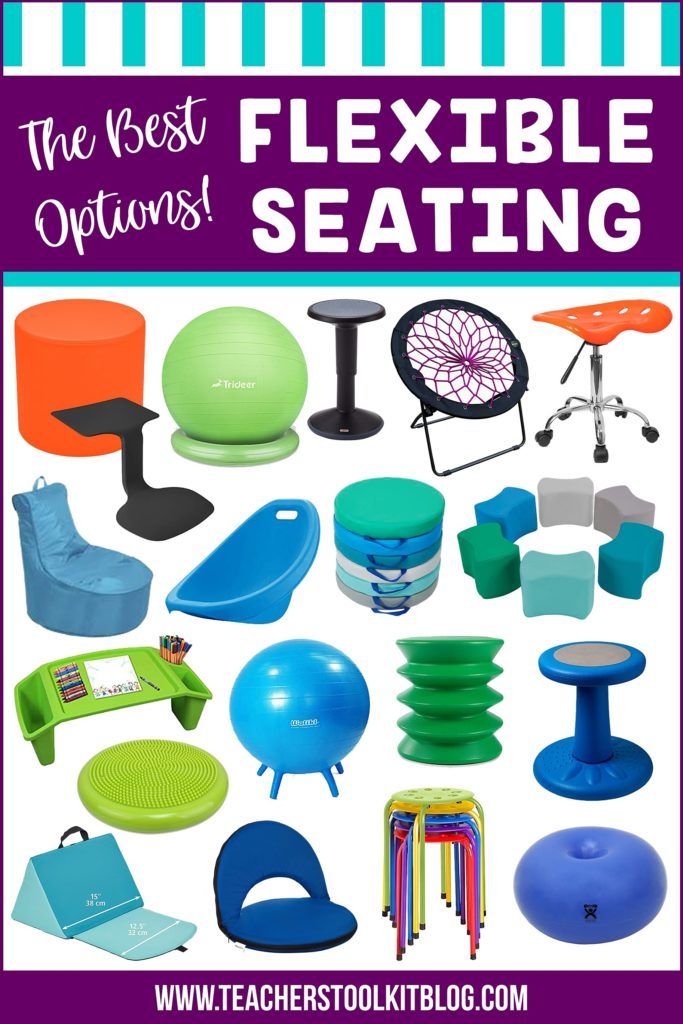
In recent years, there has been a growing trend towards alternative classrooms that prioritize flexible seating options. Traditional rows of desks and chairs are being replaced with innovative designs that promote movement, collaboration, and individualized learning. From standing desks to yoga balls, bean bag chairs to wobble stools, educators are embracing the benefits of these unconventional seating choices. In this article, we will explore twenty different seating options for alternative classrooms and discuss their advantages.
1. Benefits of standing desks in alternative classrooms:
Standing desks have gained popularity due to their numerous health benefits. They allow students to remain active and engage their muscles while working on tasks or listening to lessons. Standing encourages better posture and can reduce the risk of obesity-related health problems such as diabetes and cardiovascular disease. Additionally, standing promotes increased circulation which can enhance focus and cognitive function.
2. Incorporating yoga balls as seating options:
Yoga balls provide an excellent alternative to traditional chairs by promoting core strength and balance. Sitting on a yoga ball engages various muscle groups as students constantly adjust their position for stability. This helps improve posture and attentiveness while also stimulating blood flow throughout the body.
3. Using bean bag chairs for flexible seating:
Bean bag chairs offer ultimate comfort while allowing students to choose how they want to sit or lie down during class time. The soft texture helps create a relaxed atmosphere conducive to learning, while also providing sensory feedback through touch.
4. Creating a cozy reading nook with floor cushions:
Floor cushions can transform any corner into a cozy reading nook where students feel comfortable settling in with a book or engaging in quiet activities independently or collaboratively with peers. Soft cushions create an inviting space that encourages relaxation and concentration.
5. Implementing wobble stools for active sitting:
Wobble stools are designed with rounded bases that allow students to move freely without leaving their seats fully; they encourage subtle movements like rocking or swaying which help maintain focus without causing distractions for others in the classroom. These stools engage core muscles and improve balance, contributing to better posture and muscle tone.
6. Exploring the use of balance boards in the classroom:
Balance boards challenge students’ stability while sitting or standing, providing an engaging way to incorporate movement into their daily routine. By using a balance board, students can enhance their coordination skills and develop a stronger sense of body awareness.
7. Incorporating standing tables for group work:
Standing tables promote collaboration and active learning by allowing students to work together in small groups while remaining on their feet. This setup encourages communication, problem-solving, and engagement with the task at hand.
8. Utilizing lap desks for individualized learning spaces:
Lap desks provide students with a portable workspace that can be used anywhere in the classroom or even outside. These compact surfaces are perfect for individual study or completing assignments comfortably while giving learners the flexibility to choose where they want to work.
9. Designing a sensory corner with different seating options:
A sensory corner is a designated space within the classroom that offers various seating options designed to meet each student’s sensory needs and preferences. It may include items like rocking chairs, bean bags, floor mats, or even hammocks – creating an environment that promotes relaxation and self-regulation.
10. Using crate seats as an affordable alternative to traditional chairs:
Crate seats offer an economical solution for alternative classrooms by repurposing wooden crates as comfortable seating options. They can be easily customized with cushions or pillows for added comfort while maintaining durability.
11. Incorporating exercise bikes or pedal desks into the classroom environment:
Exercise bikes or pedal desks allow students to engage in physical activity while studying or working on assignments. The rhythmic pedaling helps increase blood flow to the brain, enhancing focus and cognitive function.
12. Exploring the benefits of kneeling chairs for improved posture and focus:
Kneeling chairs encourage proper spinal alignment by reducing pressure on the lower back while sitting. This ergonomic option promotes better posture, improves core strength, and decreases discomfort associated with prolonged sitting.
13. Implementing rocking chairs or gliders for calming and relaxation purposes:
Rocking chairs or gliders can be used in a designated quiet corner to provide students with a soothing space where they can relax, reflect, or engage in mindfulness activities. The gentle motion helps promote calmness and reduces anxiety.
14. Creating a designated quiet space with floor mats and meditation cushions:
Floor mats combined with meditation cushions offer an alternative seating arrangement that encourages mindfulness practices such as deep breathing or meditation. This peaceful environment supports emotional well-being and provides students with an opportunity to recharge during the school day.
15. Utilizing standing whiteboards or easels for collaborative learning activities:
Standing whiteboards or easels allow students to actively participate in group discussions, brainstorming sessions, or visual presentations while promoting movement throughout the classroom. These vertical workspaces enable collaboration and creativity while minimizing sedentary behaviors.
16. Exploring the use of inflatable exercise balls as seating options:
Similar to yoga balls, inflatable exercise balls provide a dynamic seating option that engages core muscles and encourages better posture through constant adjustments for stability. They are easily portable and can be used both indoors and outdoors.
17. Incorporating adjustable height desks to accommodate different student needs:
Adjustable height desks offer versatility by allowing students to customize their workspace according to their individual preferences – whether seated or standing. This adaptability ensures comfort for all learners regardless of their height or physical needs.
18. Utilizing picnic-style tables and benches for outdoor learning environments:
Picnic-style tables paired with benches are ideal for outdoor learning spaces as they provide ample seating arrangements that foster collaboration while taking advantage of natural surroundings. Students can connect with nature while engaging in hands-on activities outside the traditional classroom setting.
19. Designing flexible seating arrangements using modular furniture pieces:
Modular furniture allows educators to create flexible seating arrangements that can be easily rearranged to accommodate different learning needs and activities. These versatile pieces offer the freedom to transform the classroom environment with minimal effort.
20. Exploring the benefits of hammocks or hanging chairs in alternative classrooms:
Hammocks or hanging chairs provide a unique seating experience that promotes relaxation, sensory integration, and comfort. These unconventional options foster creativity and allow students to find their own preferred position for optimal focus.
In conclusion, alternative classrooms are embracing flexible seating options as they offer numerous benefits for both physical health and cognitive development. From standing desks to hammocks, incorporating these innovative seating choices creates an engaging environment that supports individualized learning styles while promoting movement, collaboration, and overall well-being among students. By prioritizing flexibility in seating arrangements, educators can empower learners to thrive in alternative educational settings.
 Alternative Amie
Leave a comment