Alternative Methods for Assessing Knowledge Retention and Understanding
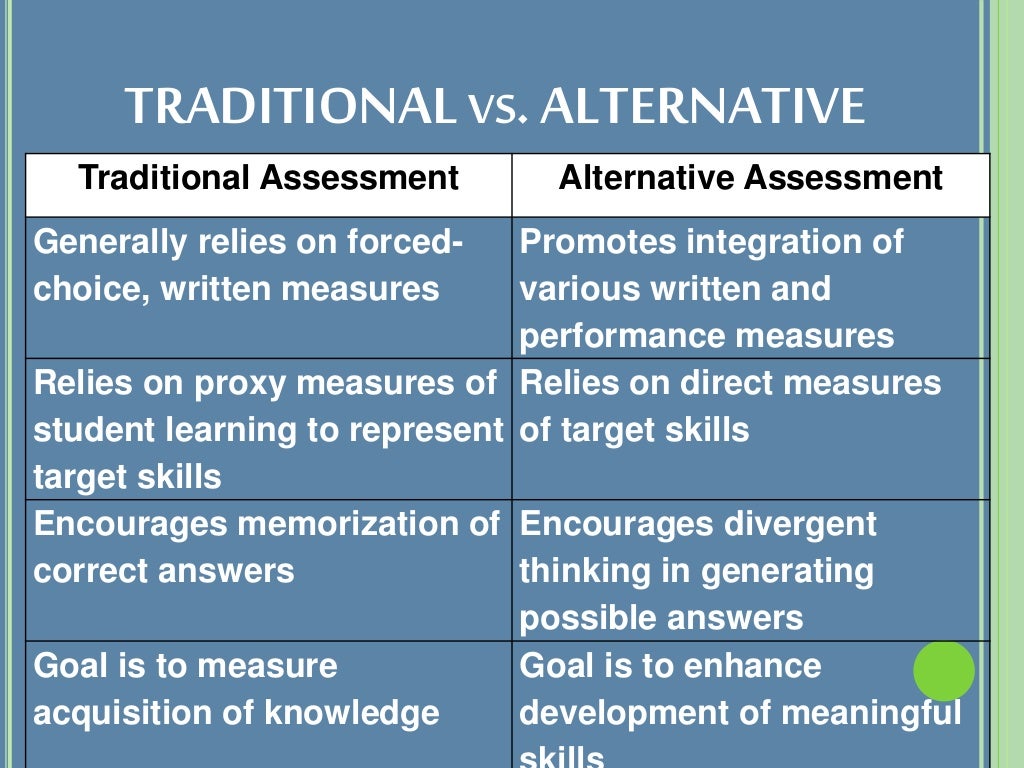
In traditional schooling systems, assessments typically revolve around standardized tests and exams. While these methods have been widely used to evaluate students’ knowledge retention and understanding, they are not always the most effective or accurate indicators of learning. Fortunately, alternative methods have emerged that provide more holistic approaches to assessing students’ progress and comprehension.
1. Portfolio Assessment:
One alternative method gaining popularity is portfolio assessment. Instead of relying solely on tests and exams, portfolio assessment allows students to showcase their work over a period of time. This could include essays, projects, artwork, videos, or any other form of work that demonstrates the application of knowledge.
The advantage of portfolio assessment is that it provides a comprehensive view of a student’s abilities and growth rather than just focusing on test performance. It encourages creativity and critical thinking skills while also allowing students to reflect on their own progress.
2. Performance-Based Assessment:
Performance-based assessment involves evaluating students based on their ability to apply knowledge in real-life situations or scenarios. This approach includes tasks such as presentations, debates, simulations, experiments, or even role-playing exercises.
By assessing how well students can transfer their learning into practical contexts rather than regurgitating memorized facts in a test environment, performance-based assessments provide a more authentic evaluation of understanding. Students are required to think critically and problem-solve effectively while demonstrating mastery in different areas.
3. Project-Based Learning:
Project-based learning (PBL) has gained traction as an alternative educational approach that encompasses both instruction and assessment techniques. In PBL classrooms, students engage in hands-on projects where they investigate real-world problems or challenges using interdisciplinary skills.
Assessment in PBL focuses on holistic evaluation through rubrics that measure various aspects like collaboration skills, research abilities, creativity levels, critical thinking aptitude,and final project outcomes. The process encourages self-directed learning as well as teamwork dynamics among peers.
4.Self-Assessment and Reflection:
Encouraging students to assess their own learning is an effective way to promote metacognition and self-reflection. By reflecting on their strengths, weaknesses, and progress, students gain a deeper understanding of their own abilities and areas for improvement.
Self-assessment can be facilitated through journaling, self-evaluations using rubrics or checklists, or even through peer feedback. This approach not only helps students develop a sense of ownership over their learning but also promotes lifelong learning skills by enabling them to identify gaps in knowledge independently.
5. Authentic Assessments:
Authentic assessments aim to mirror real-world situations where knowledge application matters most. Instead of relying solely on tests or exams that often focus on rote memorization, authentic assessments challenge students to solve complex problems or complete tasks aligned with real-life contexts.
For example, a science class might require students to design and conduct experiments rather than simply answering multiple-choice questions about scientific concepts. In language arts classes, writing persuasive essays or creating podcasts could be used instead of traditional written exams.
Authentic assessments foster critical thinking skills as they require students to analyze information, think creatively, communicate effectively,and collaborate with others – all essential skills in the modern world.
6. Gamification:
Gamification involves incorporating game elements into the learning process which allows for continuous assessment through ongoing challenges and rewards systems. This method makes assessment more engaging and encourages active participation from learners.
Through gamified platforms or apps, educators can track student progress while providing immediate feedback for each completed task or level achieved. Students feel motivated by earning points or unlocking achievements while simultaneously reinforcing their understanding of the subject matter.
7. Peer Assessment:
Peer assessment involves having students evaluate each other’s work based on predetermined criteria set by the teacher. This method not only empowers students by involving them actively in the evaluation process but also enhances communication skills as they need to provide constructive feedback effectively.
By engaging in peer assessments, students learn to analyze and critically evaluate work while also gaining a deeper understanding of the assessment criteria. Peer feedback can be facilitated through structured activities like group discussions, paired assignments, or even anonymous online platforms.
In conclusion, alternative methods for assessing knowledge retention and understanding offer educators a broader perspective on evaluating student learning. By incorporating portfolio assessment, performance-based assessment, project-based learning, self-assessment and reflection, authentic assessments, gamification,and peer assessment into their teaching practices, educators can create more well-rounded assessments that capture students’ abilities in multiple dimensions. These alternative methods not only provide a more accurate representation of students’ progress but also foster critical thinking skills and promote lifelong learning attitudes necessary for success beyond the classroom.
 Alternative Amie
Leave a comment