Nature-Based Curriculum: A Holistic Approach to Education
In today’s fast-paced and technology-driven world, it is becoming increasingly important for children to reconnect with nature. Nature-based curriculum offers a unique and holistic approach to education that emphasizes outdoor learning experiences, hands-on exploration, and environmental stewardship. This type of educational model has gained popularity in recent years as parents and educators recognize the numerous benefits it offers.
One of the key features of a nature-based curriculum is its focus on experiential learning. Instead of being confined to traditional classroom settings, students are encouraged to explore the natural environment around them. They may engage in activities such as hiking, gardening, wildlife observation, or scientific investigations. By immersing themselves in nature, they develop a deep understanding and appreciation for the world around them.
The outdoors also serves as a rich platform for interdisciplinary learning. In a nature-based curriculum, subjects like science, math, language arts, and social studies are seamlessly integrated into real-world contexts. For example, students might learn about ecosystems by studying plants and animals in their natural habitats or practice measurement skills while building structures with natural materials.
Furthermore, nature-based education fosters an intrinsic connection between children and the environment. Through regular exposure to natural spaces and engaging in hands-on conservation projects like tree planting or litter clean-ups, students develop a sense of responsibility towards their surroundings. They learn about sustainability practices firsthand and become more conscious consumers who understand how their choices impact the planet.
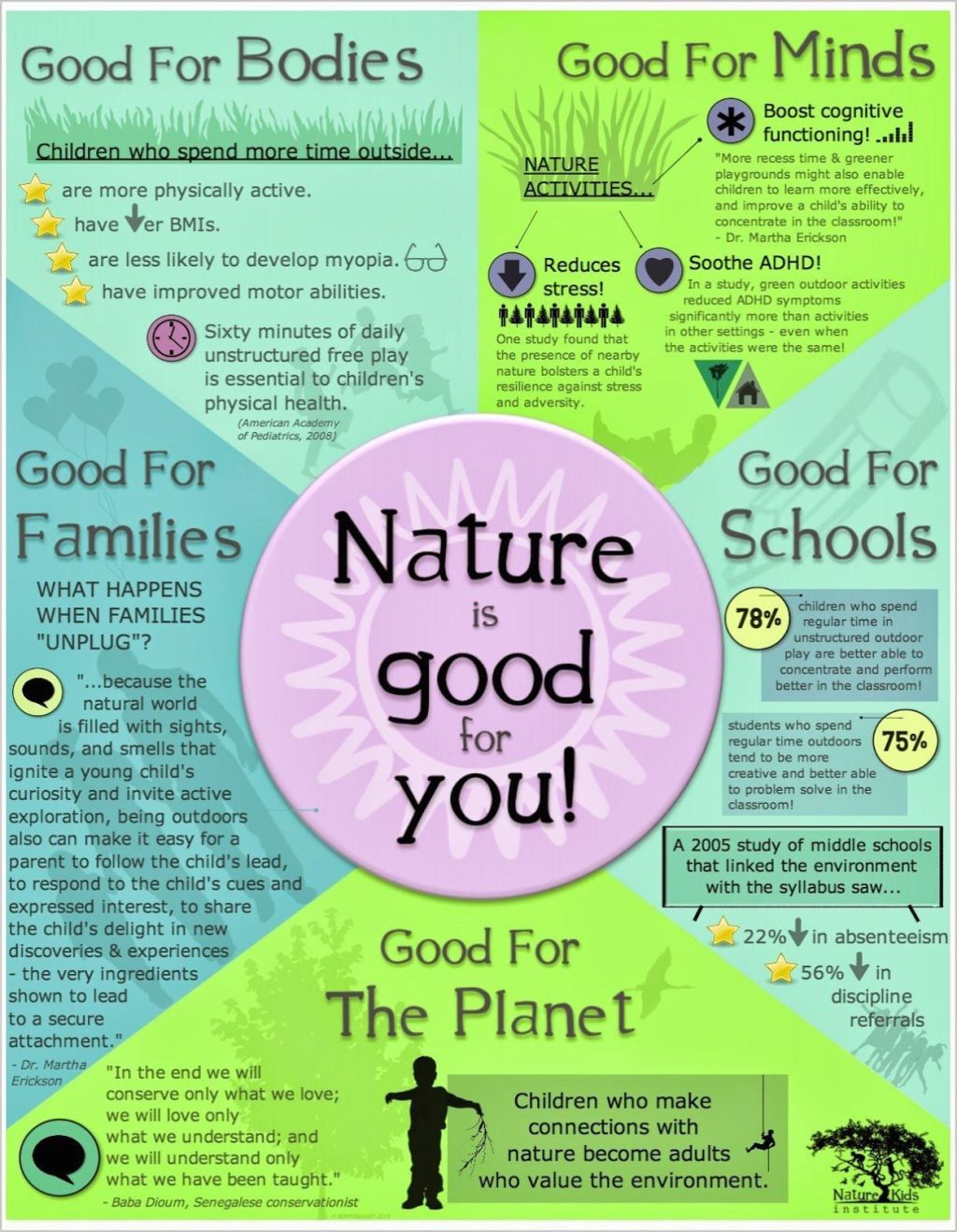
Research suggests that exposure to nature positively impacts cognitive development as well as physical health. Spending time outdoors stimulates curiosity, creativity,and problem-solving skills among children.It also helps improve attention spans,reduces stress levels,and enhances overall mental well-being.As schools have transitioned towards remote learning during COVID-19 pandemic,nature-based curriculum provides an opportunity for students to disconnect from screens,reconnect with nature,and boost their mental health.
Additionally,the benefits extend beyond academic achievements.Children who engage with nature regularly develop a sense of wonder and awe,which can lead to lifelong environmental stewardship.They become more empathetic towards other living beings and develop a deep respect for the natural world.This connection fosters a sense of responsibility towards protecting the planet for future generations.
In conclusion, nature-based curriculum offers a refreshing alternative to traditional education. It promotes experiential learning, interdisciplinary knowledge, environmental stewardship,and overall well-being among students. By immersing children in nature from an early age, we empower them to become conscientious global citizens who understand their role in preserving our precious planet.
 Alternative Amie
Leave a comment