Nature Crafts and Art Projects: Exploring Creativity in Alternative Education
Introduction:
In the world of alternative schooling and education, there is a growing emphasis on hands-on learning experiences that foster creativity and a connection with nature. Nature crafts and art projects provide an excellent opportunity for children to explore their imagination, develop fine motor skills, learn about the environment, and engage in sustainable practices. In this article, we will delve into some exciting nature-based craft ideas that can be incorporated into alternative educational settings.
1. Leaf Pressing:
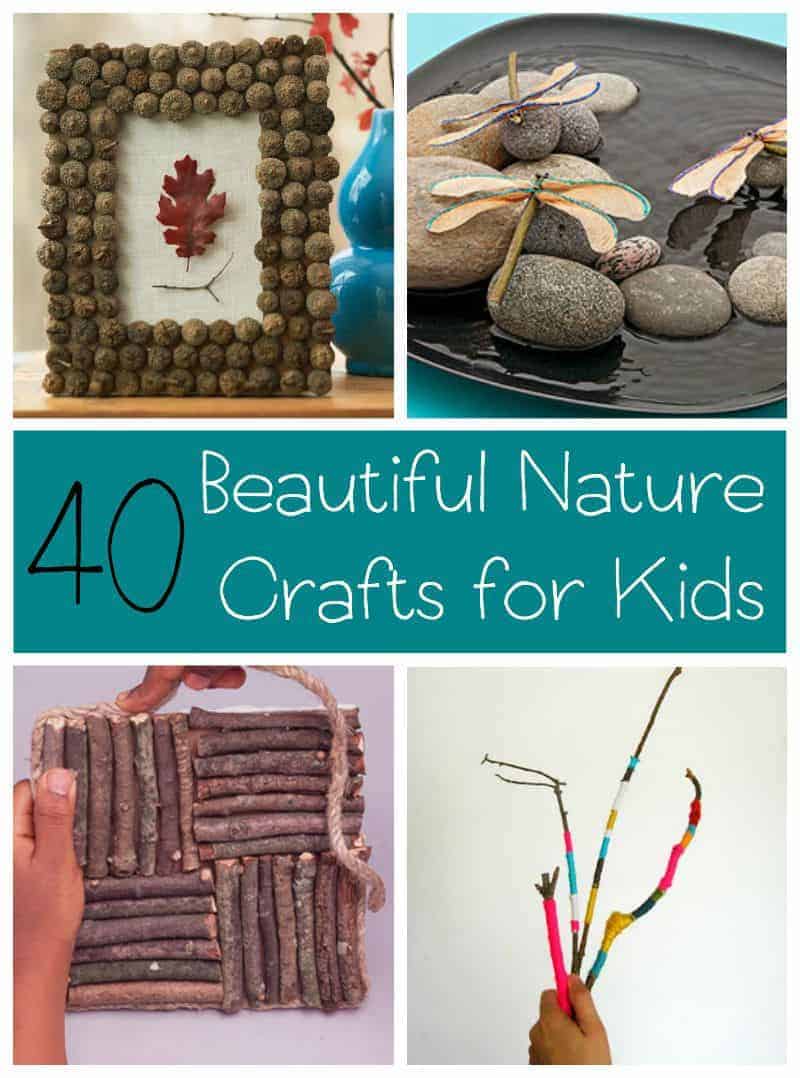
Leaf pressing is a simple yet captivating activity that teaches children about different types of leaves while encouraging observation skills. To begin, collect various leaves from your surroundings (preferably fallen ones). Place them between two sheets of newspaper or parchment paper and press them using heavy books or wooden boards for several days until they dry out completely. Once dried, these pressed leaves can be used for collage-making or framed as beautiful natural artwork.
2. Natural Dyeing:
Natural dyeing is an engaging way to introduce children to the concept of sustainability while exploring colors derived from plants. Start by gathering plant materials such as onion skins, berries, flowers, or even vegetables like spinach or beetroot with adult supervision. Boil these materials in water to extract their color pigments. Strain the liquid and let it cool down before immersing fabric scraps or yarn into the dye bath to absorb the vibrant hues naturally obtained.
3. Rock Painting:
Rock painting encourages artistic expression while forging a connection with geological elements found in nature. Provide children with smooth rocks collected during outdoor excursions along riverbanks or hiking trails. Using non-toxic acrylic paint pens or paints suited for outdoor use, they can transform ordinary rocks into miniature masterpieces featuring animals, landscapes, inspirational quotes – anything their imaginations desire! Display these painted rocks within school premises as decorative pieces or hide them around campus for others to find during scavenger hunts.
4. Twig Sculptures:
Twig sculptures offer a unique opportunity for children to engage with their surroundings and enhance their problem-solving skills. Encourage them to collect twigs of varying sizes and shapes from the ground or fallen branches, then provide them with non-toxic glue or string to construct sculptures inspired by animals, abstract forms, or even functional objects like bird feeders. This activity fosters creativity while also allowing children to understand the structural integrity of materials found in nature.
Conclusion:
Nature crafts and art projects bring together elements of creativity, observation, sustainability, and hands-on learning in alternative education settings. By incorporating these activities into the curriculum, educators can instill a deeper appreciation for nature while nurturing children’s artistic abilities. These projects not only stimulate imagination but also promote environmental consciousness and an understanding of sustainable practices – crucial skills for future generations who will be tasked with preserving our planet.
 Alternative Amie
Leave a comment