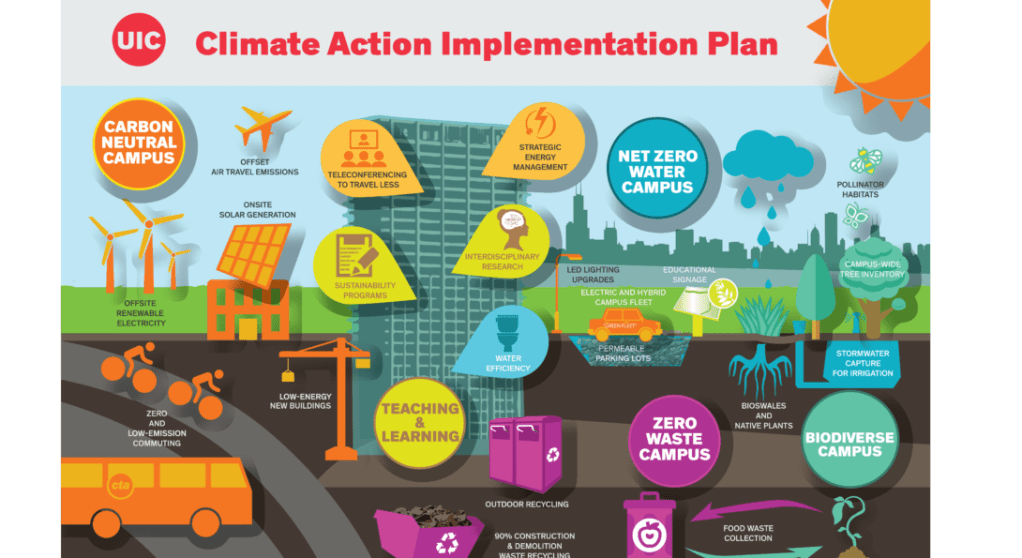
Climate change is a pressing issue that affects communities worldwide. As the impacts of climate change become more apparent, it is crucial for communities to adapt and develop strategies to mitigate its effects. In this article, we will explore various climate change adaptation strategies at the community level.
1. Enhancing Resilience:
Building resilience is key in adapting to climate change. Communities can focus on enhancing their resilience by diversifying income sources, promoting local food production, and developing sustainable water management systems. By reducing dependence on external resources and strengthening local capacities, communities can better withstand the impacts of climate change.
2. Implementing Early Warning Systems:
Early warning systems play a pivotal role in minimizing the risks associated with extreme weather events caused by climate change. These systems provide timely information about potential hazards such as floods or heatwaves, allowing communities to take necessary precautions and evacuate if needed.
3. Land Use Planning:
Adopting sustainable land use planning practices is essential for adapting to changing climatic conditions. This involves considering factors like flood risk zones when designing infrastructure projects or determining suitable areas for agriculture or urban development. By incorporating climate projections into land use planning processes, communities can minimize future vulnerabilities.
4. Promoting Ecosystem-based Adaptation (EbA):
Ecosystem-based adaptation focuses on utilizing natural ecosystems as part of adaptation strategies rather than solely relying on built infrastructure solutions. This approach includes activities like reforestation, wetland restoration, and creating green spaces within cities to regulate temperature and manage water resources effectively.
5. Strengthening Social Networks:
Strong social networks are invaluable during times of crisis brought about by climate change-induced events such as hurricanes or wildfires. Building strong community relationships helps foster cooperation and support among individuals during emergencies while also facilitating knowledge sharing about effective adaptation strategies.
6.Improving Infrastructure Design:
Incorporating climate considerations into infrastructure design is vital for long-term sustainability in the face of a changing climate.This includes constructing buildings that are resistant to extreme weather events, implementing green infrastructure solutions such as permeable pavements and rooftop gardens to manage stormwater, and improving drainage systems.
7. Enhancing Education and Awareness:
Education plays a crucial role in empowering communities to adapt to climate change. By raising awareness about the causes and impacts of climate change, communities can mobilize collective action towards developing effective adaptation strategies. Educational programs can also equip individuals with skills needed for sustainable resource management or renewable energy technologies.
8. Collaborating with Stakeholders:
Engaging stakeholders such as local governments, NGOs, businesses, and community members is essential for successful adaptation planning. Collaboration allows for the pooling of resources, expertise sharing, and joint decision-making processes that consider diverse perspectives.
In conclusion, climate change adaptation at the community level requires a multifaceted approach involving resilience-building activities, early warning systems, sustainable land use planning, ecosystem-based adaptation practices,social networks strengthening , improved infrastructure design , education initiatives,and stakeholder collaboration.Communities must proactively implement these strategies to better prepare themselves for the challenges posed by a changing climate.
 Alternative Amie
Leave a comment