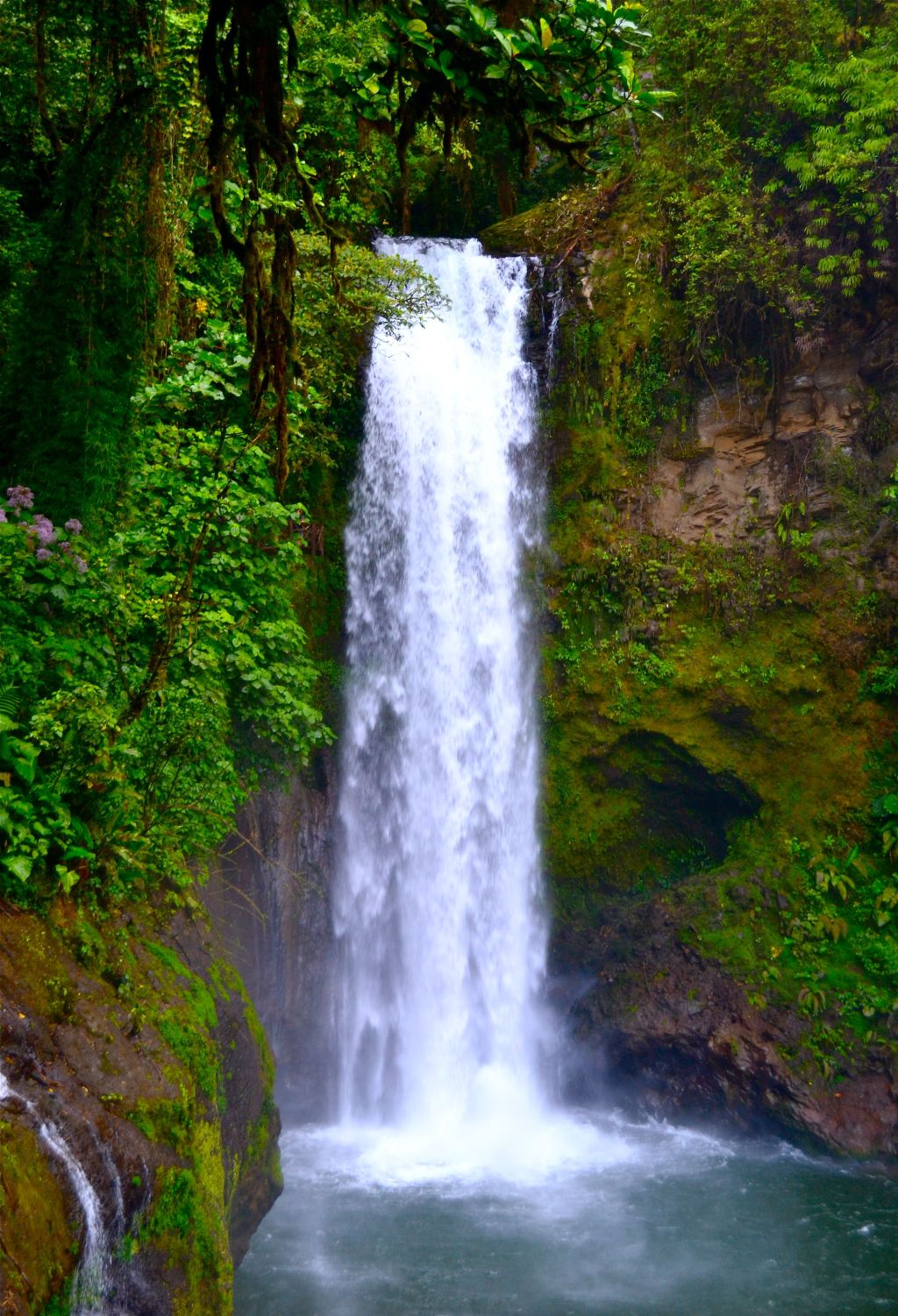
Waterfalls are not only breathtaking natural wonders but also provide incredible educational opportunities for alternative schooling and education. Exploring waterfalls allows students to connect with nature, learn about geography, geology, biology, and even engage in physical activities like hiking and swimming. In this article, we will explore eight stunning waterfalls around the world that offer unique learning experiences.
1. Angel Falls – Venezuela:
Tucked away in the UNESCO World Heritage site of Canaima National Park, Angel Falls is the highest uninterrupted waterfall on Earth. Standing at a staggering height of 979 meters (3,212 feet), it offers an excellent opportunity for studying hydrology and weather patterns. Students can observe how the water changes its course during different seasons and investigate the impact of such a massive waterfall on its surrounding ecosystem.
2. Niagara Falls – USA/Canada:
Niagara Falls is arguably one of the most famous waterfalls globally, attracting millions of visitors each year. Besides enjoying its awe-inspiring beauty up close through boat tours or observation decks, students can delve into topics like erosion, renewable energy generation using hydropower turbines installed near the falls, or even study historical events associated with this iconic landmark.
3. Iguazu Falls – Argentina/Brazil:
Located on the border between Argentina and Brazil within two national parks—Iguazu National Park in Argentina and Iguaçu National Park in Brazil—this massive system consists of 275 individual falls spanning nearly 2 miles (3 kilometers). Students can analyze how these falls formed due to volcanic activity thousands of years ago while exploring local flora and fauna diversity found within their lush surroundings.
4. Victoria Falls – Zambia/Zimbabwe:
Known as “The Smoke That Thunders,” Victoria Falls offers an extraordinary experience for both education and adventure enthusiasts alike. Here students can witness firsthand how rivers shape landscapes by observing Zambezi River’s powerful force carving out a mile-wide curtain-like cascade across basalt rock formations. Students can also learn about local cultures and history while exploring nearby villages and engaging with indigenous communities.
5. Plitvice Lakes – Croatia:
Plitvice Lakes National Park in Croatia is a UNESCO World Heritage site famed for its mesmerizing cascading lakes and waterfalls. This natural wonderland provides an ideal learning environment for studying geology, ecology, and the process of karst formation. Students can witness the interdependence between aquatic organisms, explore unique limestone topography, and understand the importance of conservation efforts to preserve this delicate ecosystem.
6. Yosemite Falls – USA:
Situated within California’s iconic Yosemite National Park, Yosemite Falls is North America’s tallest waterfall at 739 meters (2,425 feet). The park offers numerous educational programs that allow students to study rock formations, glaciation processes, and even engage in birdwatching or photography workshops. This majestic setting serves as a perfect backdrop for lessons on environmental preservation and sustainable tourism practices.
7. Kaieteur Falls – Guyana:
Kaieteur Falls is tucked away deep within Guyana’s untouched rainforests—home to diverse plant species like bromeliads and orchids as well as unique animals such as golden frogs or harpy eagles. Besides appreciating its beauty from various viewpoints along hiking trails, students can delve into topics like biodiversity conservation or examine how waterfalls contribute to the overall health of river ecosystems.
8. Gullfoss – Iceland:
Gullfoss waterfall in Iceland showcases nature’s raw power against a glacial backdrop—a perfect blend of geography and climate education opportunities for alternative schooling programs. Here students can learn about ice cap melting due to climate change while understanding concepts related to landforms formed by glaciers over time.
Visiting these breathtaking waterfalls not only encourages physical activity but also fosters a genuine appreciation for nature among students enrolled in alternative schooling programs worldwide. By combining experiential learning with scientific exploration, students can develop a deeper understanding of various subjects while immersing themselves in the splendor of these natural wonders.
 Alternative Amie
Leave a comment