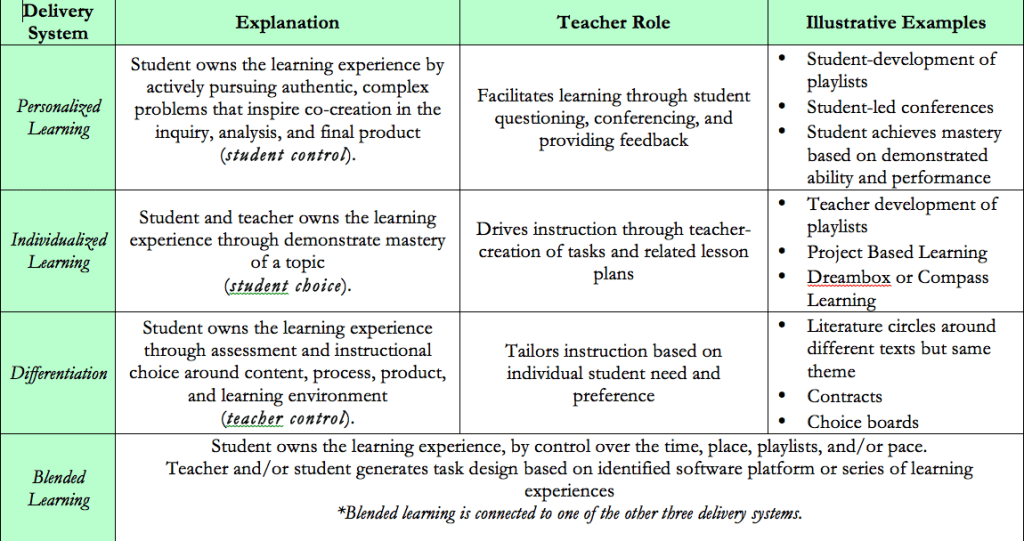
Creating a Personalized Learning Plan
In today’s rapidly changing world, traditional education systems are being challenged to meet the needs of every student. Many students find themselves struggling in a one-size-fits-all approach to education, where they may not fully understand or engage with the material being taught. This is where personalized learning plans come into play.
A personalized learning plan is an individualized educational roadmap that caters to each student’s unique strengths, weaknesses, interests, and goals. It allows for flexibility in pacing and content delivery, ensuring that students can learn at their own pace and in ways that resonate with them.
So how can you create a personalized learning plan? Here are some steps to get started:
1. Identify your goals: Begin by reflecting on what you want to achieve academically and personally. Do you have specific career aspirations? Are there particular subjects or skills you want to focus on? Having clear goals will help guide your decision-making throughout the process.
2. Assess your strengths and weaknesses: Take stock of your current knowledge and abilities across various subject areas. Identify areas where you excel and those that require improvement. This self-assessment will provide valuable insight into what areas need more attention within your personalized learning plan.
3. Consider your preferred learning style: We all have different ways of processing information effectively – some prefer visual aids like diagrams or videos, while others thrive through discussion or hands-on activities. Understanding how you learn best will allow you to tailor your plan accordingly.
4. Research available resources: Look for alternative schooling options such as online courses, tutoring services, community programs, or even specialized schools that align with your interests and goals. Explore virtual platforms specifically designed for personalized learning like Khan Academy or Coursera.
5. Develop a curriculum outline: Based on your goals, strengths/weaknesses assessment, preferred learning style, and available resources; develop an outline for the subjects or skills you wish to focus on. Break down each subject into specific learning objectives, which will serve as your roadmap for progress.
6. Establish a timeline: Determine how much time you can dedicate to your personalized learning plan on a weekly or monthly basis. Map out realistic deadlines for completing each objective, keeping in mind any external commitments like work or extracurricular activities.
7. Set measurable goals: To ensure accountability and track progress, set measurable goals for each objective within your curriculum outline. These goals could be completing a certain number of lessons, achieving specific grades or scores, or demonstrating proficiency in particular skills.
8. Seek guidance and support: While personalized learning plans are designed to empower students to take control of their education, seeking guidance from mentors or educators can provide valuable insights and feedback along the way. They can help refine your curriculum outline and offer resources that you may not have considered.
9. Reflect and adapt: Regularly reflect on your progress and adjust your plan as needed. Be open to revising timelines, adding new objectives based on emerging interests or passions, or even exploring different resources if something isn’t working for you.
10. Stay motivated and disciplined: Personalized learning requires self-discipline and motivation since you are responsible for driving your own education forward. Establish routines, create study schedules, find an accountability partner – do whatever it takes to stay focused and committed to achieving your goals.
Benefits of Personalized Learning Plans:
The benefits of creating a personalized learning plan go beyond just academic success:
1. Flexibility: With a personalized learning plan, you have the flexibility to learn at your own pace without feeling rushed or left behind by others in a traditional classroom setting.
2. Individual attention: You receive individual attention tailored specifically towards addressing areas where you need improvement rather than being lost in large class sizes where teachers may struggle to cater to everyone’s needs adequately.
3 . Increased engagement: By aligning the content with subjects that interest you, a personalized learning plan can significantly increase your engagement and motivation to learn.
4. Self-awareness: Creating a personalized learning plan requires self-reflection and awareness of your own strengths, weaknesses, and preferred learning style. This understanding will serve you well beyond academics in other areas of life.
5. Lifelong learning skills: Personalized learning encourages self-directed learning, critical thinking, problem-solving, time management, and organizational skills – all valuable skills that are essential for lifelong learning success.
Conclusion:
Creating a personalized learning plan empowers students to take control of their education journey by tailoring it to their unique needs and interests. By setting clear goals, assessing strengths and weaknesses, considering preferred learning styles, researching available resources, developing an outline with measurable objectives; students can craft an educational experience that maximizes engagement and growth.
While the process may require effort and discipline, the benefits gained make it worthwhile. With flexibility in pacing, individual attention tailored to specific needs,
increased engagement through subjects of personal interest,
and the development of lifelong learning skills – students are better equipped for success in both academia and beyond.
So take charge of your education today by creating a personalized learning plan!
 Alternative Amie
Leave a comment