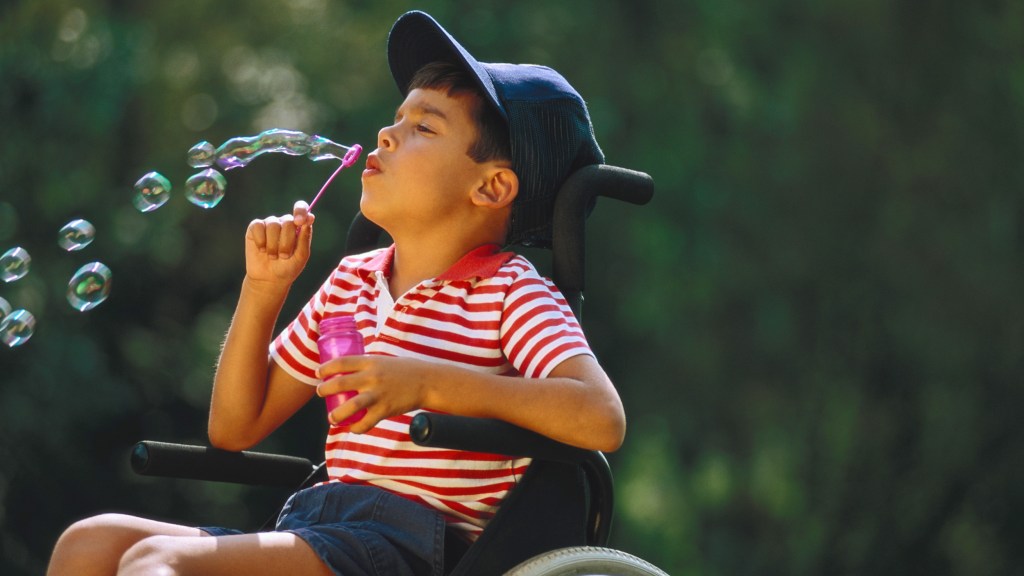
Unschooling for children with special needs:
Unschooling is an educational approach that emphasizes self-directed learning and allows children to pursue their interests and passions. This method can be particularly beneficial for children with special needs, as it provides a flexible and individualized learning environment. Unschooling recognizes that every child learns at their own pace and in their own unique way, allowing them to explore subjects in depth and focus on areas of strength.
One of the main advantages of unschooling for children with special needs is the ability to tailor education to their specific needs. Traditional schooling often struggles to accommodate the diverse learning styles and abilities of students with special needs. Unschooling, on the other hand, allows parents or caregivers to adapt the curriculum to suit each child’s strengths, interests, and challenges. For example, if a child has difficulty with reading but excels in art, unschooling would allow them to spend more time exploring artistic pursuits while still incorporating literacy skills through alternative means such as audio books or visual storytelling.
Furthermore, unschooling promotes a holistic approach to education that focuses on life skills development rather than just academic achievement. Children with special needs often face unique challenges in social interaction, communication, or sensory processing. By integrating these aspects into everyday activities and experiences, unschooled children have opportunities for growth beyond traditional classroom settings.
Unschooling in rural communities:
Rural communities present both opportunities and challenges when it comes to implementing unschooling practices. On one hand, the abundance of natural resources can provide rich learning experiences for children. They have access to outdoor spaces where they can explore nature firsthand or engage in hands-on agricultural activities like gardening or animal care.
On the other hand, limited access to resources such as museums or libraries may pose challenges when seeking diverse learning materials outside of what is readily available locally. However, advancements in technology have made it easier than ever before for rural families practicing unschooling to access online resources, virtual field trips, and connect with other unschooling communities worldwide.
Unschooling and socialization:
One common misconception about unschooling is that children may miss out on important socialization opportunities. However, this assumption fails to acknowledge the numerous ways in which unschooled children can engage with their peers and community.
Unschooling encourages a more organic form of socialization where children have the freedom to interact with individuals of different ages, backgrounds, and abilities. They can participate in community activities such as volunteering or joining local clubs based on their interests. Unstructured playdates or cooperative learning experiences also provide ample opportunities for social engagement.
Moreover, through unschooling networks and online communities, families can connect with others who share similar educational philosophies. This provides a support system for both parents and children while fostering meaningful friendships.
Unschooling and technology:
Technology plays an integral role in modern education, including unschooling. It opens up new avenues for learning by providing access to information from around the world. Unschoolers can utilize various digital tools like educational websites, online courses, e-books, podcasts, videos, and interactive apps that cater specifically to their interests.
However, it is essential to strike a balance between screen time and hands-on experiences. Unschoolers should be encouraged to explore technology as a tool rather than passively consuming content. Engaging in creative projects using digital media or collaborating on online platforms helps develop critical thinking skills while leveraging technology’s benefits.
Furthermore, responsible use of technology enables unschooled students to connect globally with experts in various fields of interest through video conferencing or participating in virtual workshops.
Unschooling and entrepreneurship:
Entrepreneurship is often nurtured within the framework of traditional schooling systems through business classes or extracurricular programs. However, unschoolers have unique advantages when it comes to developing an entrepreneurial mindset from an early age.
Through self-directed learning, unschoolers have the freedom and time to explore their interests deeply. This allows them to identify passions or talents that can be turned into entrepreneurial ventures. Unschooling also encourages critical thinking, problem-solving, and creativity – all valuable skills for budding entrepreneurs.
Additionally, unschooled children have the opportunity to develop real-world skills by pursuing internships, apprenticeships, or starting small businesses in their communities. They can gain hands-on experience while building a strong foundation for future success.
Unschooling and outdoor education:
Outdoor education is an integral part of unschooling as it provides numerous benefits for holistic development. Unstructured outdoor play fosters physical fitness, sensory exploration, and environmental awareness.
Unschoolers are encouraged to spend ample time outdoors engaging with nature through activities such as hiking, camping, gardening, or participating in ecological restoration projects. These experiences allow children to develop a deep connection with the natural world while promoting curiosity about the environment.
Moreover, outdoor education provides opportunities for experiential learning across various disciplines. Science can be explored through observing ecosystems or conducting field experiments; history can come alive through visits to historical landmarks; art can be inspired by natural landscapes; and physical education can be integrated through activities like swimming or cycling.
Unschooling and art/music education:
Artistic expression is highly valued within the unschooling philosophy. By encouraging creative pursuits without rigid curriculum constraints or standardized expectations, unschooled children have the freedom to explore various artistic mediums based on their interests and preferences.
Whether it’s painting, drawing, sculpting, playing an instrument or dancing – arts-based learning allows individuals to express themselves authentically while developing essential skills such as self-discipline and perseverance. Unschoolers often have more time available for art/music lessons outside of traditional school hours since they are not bound by fixed schedules.
Furthermore,
unstructured exploration of different art forms fosters a sense of individuality and encourages innovation. Children can learn from renowned artists and musicians through online resources, attend local workshops or classes, or collaborate with mentors in their community.
Unschooling and physical education/sports:
Physical activity is an integral part of unschooling as it promotes overall well-being and a balanced lifestyle. Unschoolers have the freedom to choose physical activities that align with their interests and preferences rather than being restricted to traditional sports programs offered by schools.
Engaging in physical education could involve participating in team sports, individual pursuits like swimming or martial arts, outdoor adventures such as hiking or rock climbing, or even non-traditional activities like yoga or parkour. This approach allows children to develop skills at their own pace while fostering a lifelong love for movement and fitness.
Moreover, unschoolers can benefit from integrating physical education into other subject areas. For instance, exploring geography through orienteering exercises or learning about physics principles through experimenting with different types of motion during play.
Unschooling and cultural diversity:
Unschooling provides a unique opportunity for children to explore diverse cultures on a deeper level compared to traditional schooling settings.
By allowing children the autonomy to pursue their interests without rigid curriculum constraints, unschooled students can delve into various cultural aspects including language study, cuisine exploration, music appreciation from different cultures worldwide, historical contexts of various societies around the world etc..
Furthermore,
unschooling families often have more flexibility when it comes to travel opportunities which allow them firsthand experiences of different cultures. By immersing themselves in new environments and engaging with locals while traveling, children gain valuable insights into diverse perspectives that foster empathy and understanding.
Unschooling also encourages active engagement with multicultural communities within one’s own locality. Participating in events celebrating diversity (such as festivals), joining cultural clubs/organizations/groups provide avenues for interaction fostering mutual respect among individuals from varied backgrounds.
Unschooling and mindfulness/meditation practices:
Mindfulness practices complement the unschooling philosophy by promoting self-awareness, emotional regulation, and overall well-being. Incorporating mindfulness techniques into daily routines can support unschooled children in developing focus, concentration, and resilience.
Unschooling allows for the flexibility to incorporate mindfulness practices such as meditation or yoga into a child’s routine. These practices help cultivate a sense of calmness and presence while enhancing cognitive abilities like attention span and memory.
Moreover,
unschoolers have the freedom to explore different contemplative traditions from around the world and learn about various philosophies associated with mindfulness. This opens up opportunities for personal growth and introspection while fostering an appreciation for diverse cultural perspectives on well-being.
Unschooling and sustainable living/environmental education:
Sustainable living is often intertwined with unschooling due to its emphasis on real-world learning experiences that promote environmental awareness and responsibility. Unschoolers have the opportunity to engage in hands-on activities related to sustainability principles such as organic gardening, composting, renewable energy exploration etc..
By experiencing firsthand how their choices impact the environment,
unschoolers develop an understanding of ecological systems, resource conservation strategies, waste reduction methods etc.. They also gain practical skills like growing food sustainably or repairing household items rather than relying solely on consumer culture.
Additionally,
unschoolers can delve into topics such as climate change mitigation measures or sustainable architecture through research projects or community engagement initiatives. Through these experiences, they foster a sense of stewardship towards the planet while recognizing their role in creating a more sustainable future.
Unschooling for gifted/talented children:
Traditional schooling systems often struggle to meet the unique needs of gifted or talented children due to fixed curricula that do not allow for individualized acceleration or depth of study. Unschooling provides an ideal alternative by allowing these students to pursue their passions at an accelerated pace without being held back by grade-level restrictions.
Gifted learners can immerse themselves fully in subjects they are passionate about without the limitations of a rigid timetable. They can explore complex concepts, conduct in-depth research, and engage with mentors or experts in their chosen field.
Unschooling also allows gifted children to develop essential skills like self-directed learning, critical thinking, and problem-solving – abilities that are paramount for success in any area of expertise.
Unschooling and alternative assessment methods:
Traditional schooling often relies heavily on standardized testing as a measure of academic achievement. However, unschoolers embrace alternative assessment methods that provide a more comprehensive view of a child’s progress and growth.
Instead of relying solely on tests or grades,
unschoolers focus on portfolio assessments where students compile samples of their work across various subject areas. These portfolios showcase the depth and breadth of their learning experiences through projects, essays, artwork, recordings etc.. This method provides a more authentic representation of a student’s abilities while encouraging reflection and self-assessment.
Furthermore,
unstructured documentation practices such as journals or blogs allow children to reflect upon their own learning journey while providing evidence for growth over time. Observational assessments by parents or mentors who have witnessed the child’s progress firsthand also play an important role in evaluating achievements within the unschooling framework.
Unschooling for teenagers/adult learners:
While unschooling is often associated with younger children, it can be equally beneficial for teenagers and adult learners seeking non-traditional educational paths. Unschooling provides flexibility for adolescents to pursue interests that align with potential career paths without being bound by rigid school schedules or predetermined curricula.
Older unschooled learners have the opportunity to engage in internships/apprenticeships relevant to their chosen fields. They can gain practical experience working alongside professionals while developing valuable industry-specific skills. Additionally,
unschooled teenagers can take advantage of online courses offered by universities or specialized platforms allowing them access to higher-level subjects based on individualized interests.
For adult learners,
unschooling offers an avenue for continued self-directed learning and personal growth. Whether it’s exploring new hobbies, acquiring skills for a career change, or pursuing lifelong passions – unschooling principles can be applied to any stage of life.
Unschooling in non-traditional family structures:
Unschooling is highly adaptable and inclusive, making it well-suited for non-traditional family structures such as single-parent households. Single parents practicing unschooling have the flexibility to create personalized educational experiences that align with their child’s needs and interests while managing the demands of parenting alone.
Moreover,
unschooling supports the unique dynamics of non-traditional families by allowing for more quality time together. Unstructured schedules provide opportunities for shared activities, discussions, and exploration. Children in these family structures often benefit from strong parent-child relationships built on trust and open communication facilitated by the unschooling approach.
In conclusion,
unschooling has proven to be an effective alternative education method across various contexts. It allows children with special needs to learn at their own pace while tailoring education to their individual strengths and challenges. Unschoolers in rural communities benefit from hands-on outdoor experiences despite limited access to resources. Socialization occurs naturally through community engagement both locally and globally within online networks. Technology enhances learning opportunities while entrepreneurship thrives on self-directed explorations of interests.
Artistic expression flourishes through unrestricted creativity; physical education promotes a balanced lifestyle; cultural diversity is embraced through experiential learning; mindfulness practices foster self-awareness; sustainability principles instill environmental consciousness;
gifted learners thrive without limitations;
alternative assessment methods provide a comprehensive view of progress;
teenagers/adult learners find flexibility in pursuing passions or career paths outside traditional schooling structures;
non-traditional families embrace unschooling as an inclusive educational philosophy.
By understanding how each aspect relates to unschooling, parents, educators, policymakers, and society can appreciate its potential benefits across diverse populations seeking alternative approaches to education.
 Alternative Amie
Leave a comment