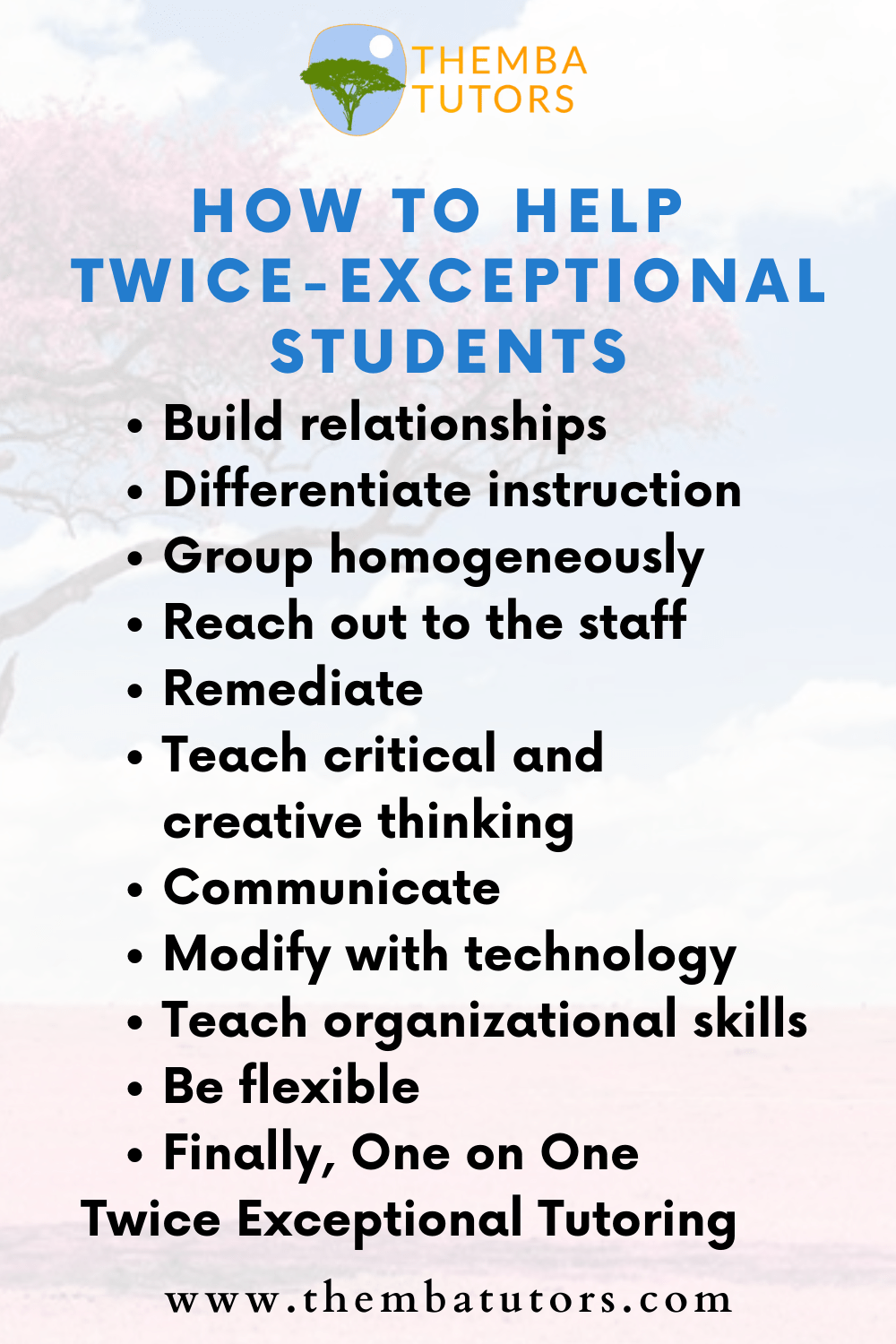
Twice-exceptional students, also known as “2e” students, are a unique group of learners who possess both exceptional abilities and disabilities. These students often exhibit high intelligence or talent in one area while struggling with learning or social-emotional challenges in another. Recognizing and supporting the needs of twice-exceptional students is crucial to ensure their academic success and overall well-being.
One important aspect of supporting twice-exceptional students is addressing their social and emotional needs. Gifted learners may experience feelings of isolation or frustration due to their differences from their peers. Additionally, the presence of a learning disability or other challenge can further exacerbate these feelings. Providing these students with opportunities for socialization, mentorship, and counseling can help them develop healthy coping strategies and build positive relationships with others.
Differentiated instruction is a key strategy used in gifted education to meet the diverse needs of advanced learners. This approach involves tailoring instruction to match individual student’s skills, interests, and readiness levels. For gifted students, differentiation could involve providing accelerated curriculum options, allowing for independent research projects or enrichment activities, or incorporating more complex problem-solving tasks into lessons. By adapting instruction to meet the specific needs of each student, educators can help maximize their potential.
Creativity and innovation play an essential role in gifted education. Nurturing these traits among gifted learners encourages them to think outside the box, explore new ideas, and develop unique solutions to problems. Incorporating creativity into the curriculum can be achieved through project-based learning experiences that allow for open-ended exploration and experimentation.
Unfortunately, minority groups are often underrepresented in gifted programs due to various factors such as cultural biases in testing instruments or lack of access to resources that identify giftedness among diverse populations. It is vital for schools and districts to actively address this issue by implementing equitable identification practices that consider multiple measures of aptitude and talent beyond traditional standardized tests.
Gifted education in rural areas presents unique challenges due to limited resources and access to specialized programs. However, schools can leverage technology to bridge this gap by offering online courses, virtual mentorship, or remote enrichment opportunities. Collaboration with local communities and organizations can also help provide additional support and resources for gifted students in rural areas.
Advocacy is crucial for ensuring that the needs of gifted learners and their families are recognized and addressed within educational systems. Parents, educators, and advocates can work together to promote policies that support the development of gifted learners and provide resources for their unique needs.
Dual enrollment options offer advanced learners the opportunity to take college-level courses while still in high school. This allows them to earn college credits early and challenge themselves academically. Dual enrollment programs can be an excellent way for gifted students to further explore their interests, accelerate their learning, and prepare for future academic pursuits.
Gifted education policies and legislation vary from state to state or even district to district. It is essential for policymakers at all levels to prioritize the needs of gifted students when developing educational policies. Advocacy groups play a vital role in raising awareness about these issues and working towards more comprehensive legislation that supports gifted education.
Technology has become an invaluable tool in supporting gifted learners’ education. Online platforms provide access to advanced curriculum materials, virtual learning communities, specialized software or applications tailored specifically for advanced learners’ needs. Technology also allows teachers to differentiate instruction more effectively by providing personalized feedback or adaptive learning experiences.
Homeschooling offers another option for parents seeking alternative educational opportunities for their gifted children. Homeschooling allows parents flexibility in tailoring curriculum content, pacing, and instructional methods according to their child’s individual abilities and interests.
Project-based learning engages advanced students through hands-on experiences that encourage independent thinking, problem-solving skills while fostering creativity across disciplines such as science, art music dance drama etc
Lastly talent development programs focus on nurturing artistic abilities among young individuals who show exceptional promise in fields like music, dance, visual arts, theater or writing. These programs provide specialized training, mentorship and performance opportunities to help young artists reach their full potential.
Overall, understanding and supporting the unique needs of gifted learners is essential for fostering their intellectual growth and well-being. By addressing issues such as twice-exceptionality, social-emotional needs, underrepresentation of minority groups, access in rural areas, advocacy efforts, and alternative educational options like dual enrollment or homeschooling, we can create a more inclusive and enriching education system for all advanced students.
 Alternative Amie
Leave a comment