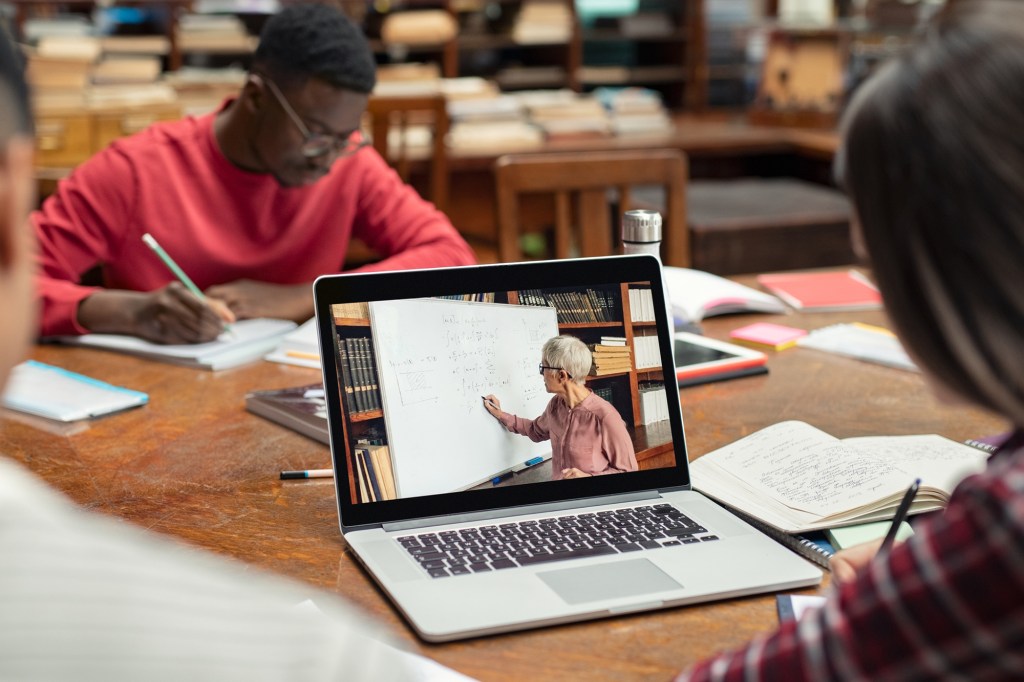
In today’s rapidly evolving world, alternative schooling and education have become more popular than ever. With the advent of technology, online learning has emerged as a powerful tool for personalized and flexible education. In this post, we will explore various aspects of online learning that can benefit alternative learners.
1. Personalized Learning Platforms:
Online learning platforms offer personalized learning experiences tailored to individual student needs. These platforms use advanced algorithms to analyze students’ strengths and weaknesses and provide targeted instruction accordingly. This adaptive approach helps alternative learners progress at their own pace, ensuring they grasp concepts fully before moving on.
2. Homeschooling Resources and Support:
For parents who choose homeschooling as an alternative to traditional schooling, online resources can be invaluable. There are numerous websites offering comprehensive curriculum plans, lesson ideas, printable worksheets, educational games, and even virtual field trips – all designed to support homeschooling parents in providing a well-rounded education for their children.
3. Project-Based Learning Online:
Online platforms provide opportunities for project-based learning where students can collaborate with peers from around the world on real-world projects. Through these projects, alternative learners develop critical thinking skills while exploring topics that interest them deeply.
4. Online Tutoring Services:
Alternative learners often require additional support or one-on-one assistance with certain subjects or topics. Online tutoring services connect students with qualified tutors who can address specific areas of difficulty or provide enrichment in various subjects.
5. Virtual Field Trips and Experiential Learning:
Online platforms offer virtual field trips that enable alternative learners to explore museums, historical sites, national parks, and other places of interest without leaving their homes or classrooms. This immersive experience brings the outside world into their education through interactive videos and activities.
6.Gamification in Online Education:
Gamification is widely used in online education to engage students and make learning fun while achieving educational objectives simultaneously. Alternative learners can benefit from game-like interfaces that motivate them to actively participate in lessons, quizzes, and other interactive activities.
7. Online Courses for Gifted and Talented Students:
Online learning provides an excellent opportunity for gifted and talented students to pursue advanced coursework beyond what traditional schools may offer. Specialized online courses can cater to their unique needs, allowing them to explore subjects in-depth or accelerate their learning.
8. Special Education Resources in Online Learning:
Online learning platforms also provide resources specifically designed for learners with special needs. These resources can include visual aids, auditory support, adaptive technologies, and specialized curricula that address different learning styles or disabilities.
9. Online Vocational Training Programs:
Alternative learners who are interested in pursuing vocational careers can benefit from online vocational training programs. These programs provide hands-on training through virtual simulations, instructional videos, and interactive modules that prepare students for various trades or professions.
10.Social-Emotional Learning Online:
Social-emotional skills play a crucial role in alternative education settings as they foster personal growth and well-being. Many online platforms integrate social-emotional learning into their curriculum by incorporating activities that promote self-awareness, empathy, resilience-building exercises, and conflict resolution strategies.
11.Blended Learning Models for Alternative Schools:
Blended learning is a combination of traditional classroom instruction with online components. This model allows alternative schools to leverage the benefits of both approaches – face-to-face interaction with teachers and peers along with the flexibility of online resources – creating a more personalized educational experience.
12.Online Language Learning Programs:
Learning languages opens doors to diverse cultures and opportunities. Online language learning programs offer comprehensive language courses tailored to individual proficiency levels while also providing interactive tools such as speech recognition software for pronunciation practice.
13.Digital Literacy Skills for Alternative Learners:
In today’s digital world, it is essential for alternative learners to gain proficiency in digital literacy skills such as navigating online platforms securely, researching effectively using search engines databases,and understanding digital citizenship concepts like copyright laws,safety on social media,and cyberbullying.
14.Online Resources for Homeschooling Parents:
Homeschooling parents can access a wide range of online resources, including lesson plans, teaching guides, educational blogs or forums,and professional development opportunities. These resources provide ongoing support and inspiration to ensure the success of homeschooling endeavors.
15.Adaptive Technology in Online Education:
Adaptive technology is designed to meet the unique needs of alternative learners. It includes screen readers, text-to-speech software, speech recognition tools,sensory devices that provide tactile feedback,and other assistive technologies that empower students with disabilities to access information effectively and participate fully in online learning environments.
16.Online Art and Music Classes:
Alternative learners can explore their creative side through online art and music classes. Online platforms offer interactive lessons taught by experienced instructors who guide students through various artistic techniques or musical instruments via videos, live sessions, group collaborations,and individualized feedback.
17.Outdoor and Nature-Based Online Education:
Online education need not be confined to indoor spaces only. There are programs that bring nature-based education into the virtual realm by offering activities like virtual hikes, wildlife observation webcams,nature journaling prompts,and experiments related to environmental science.
18.Online Physical Education Programs:
Physical education is an important aspect of holistic development for alternative learners as well. Online physical education programs include instructional videos on fitness routines,yoga sessions,dance tutorials,and sports skills training – all aimed at promoting healthy habits and overall well-being.
19.Entrepreneurship Education Online:
For alternative learners with an entrepreneurial mindset, online entrepreneurship courses can help develop essential skills such as business planning,effective communication,presentation techniques,critical thinking,strategic decision-making,social media marketing,and financial literacy – preparing them for future ventures or careers in business
20.Environmental Sustainability in Online Learning:
Many online learning platforms incorporate environmental sustainability themes into their curriculum by addressing topics such as climate change,renewable energy,waste management,responsible consumption,and conservation efforts. This educates alternative learners about the importance of environmental stewardship and empowers them to make positive changes.
21.Mindfulness and Well-being in Virtual Classrooms:
Online learning can sometimes be isolating,so it’s crucial to prioritize students’ mental health and well-being.Virtual classrooms can incorporate mindfulness practices,breathing exercises,reflection activities,and promote a supportive community through online discussion forums or peer mentorship – ensuring that students feel connected,cared for,and emotionally balanced.
22.Online STEM (Science, Technology, Engineering, and Mathematics) Programs:
Alternative learners interested in STEM subjects can access a wide range of online resources such as interactive simulations,virtual labs,demonstration videos,and coding platforms.These programs provide hands-on experiences that foster critical thinking,data analysis skills,and problem-solving abilities – preparing them for future careers in STEM fields.
In conclusion, online learning offers a plethora of opportunities and resources for alternative schooling and education. From personalized learning platforms to specialized support services for different needs or interests, the digital landscape provides an inclusive environment where alternative learners can thrive academically and personally. With continuous advancements in technology,internet accessibility,and educational innovation,the possibilities for alternative education are endless.
 Alternative Amie
Leave a comment