Sensory Experiences in Nature: An Enriching Path to Alternative Education
In the fast-paced digital age we live in, where screens dominate our lives and virtual experiences seem to take precedence over real-world interactions, it is more important than ever to reconnect with nature. For alternative schooling and education, incorporating sensory experiences in nature can be a powerful tool for enhancing learning and personal growth.
1. Sight:
The visual wonders of nature are abundant, offering endless opportunities for exploration and discovery. From vibrant flowers dancing in the breeze to towering trees reaching towards the sky, there is something captivating about witnessing the beauty of the natural world. Encouraging students to observe their surroundings fosters a sense of curiosity and wonder while honing their observation skills.
2. Sound:
Nature has its own symphony that plays all around us if we just listen closely enough. The rustling leaves, chirping birds, babbling brooks – each sound holds its own story waiting to be heard. By immersing themselves in these auditory experiences, students can learn not only about different species but also develop active listening skills that will serve them well beyond the classroom.
3. Touch:
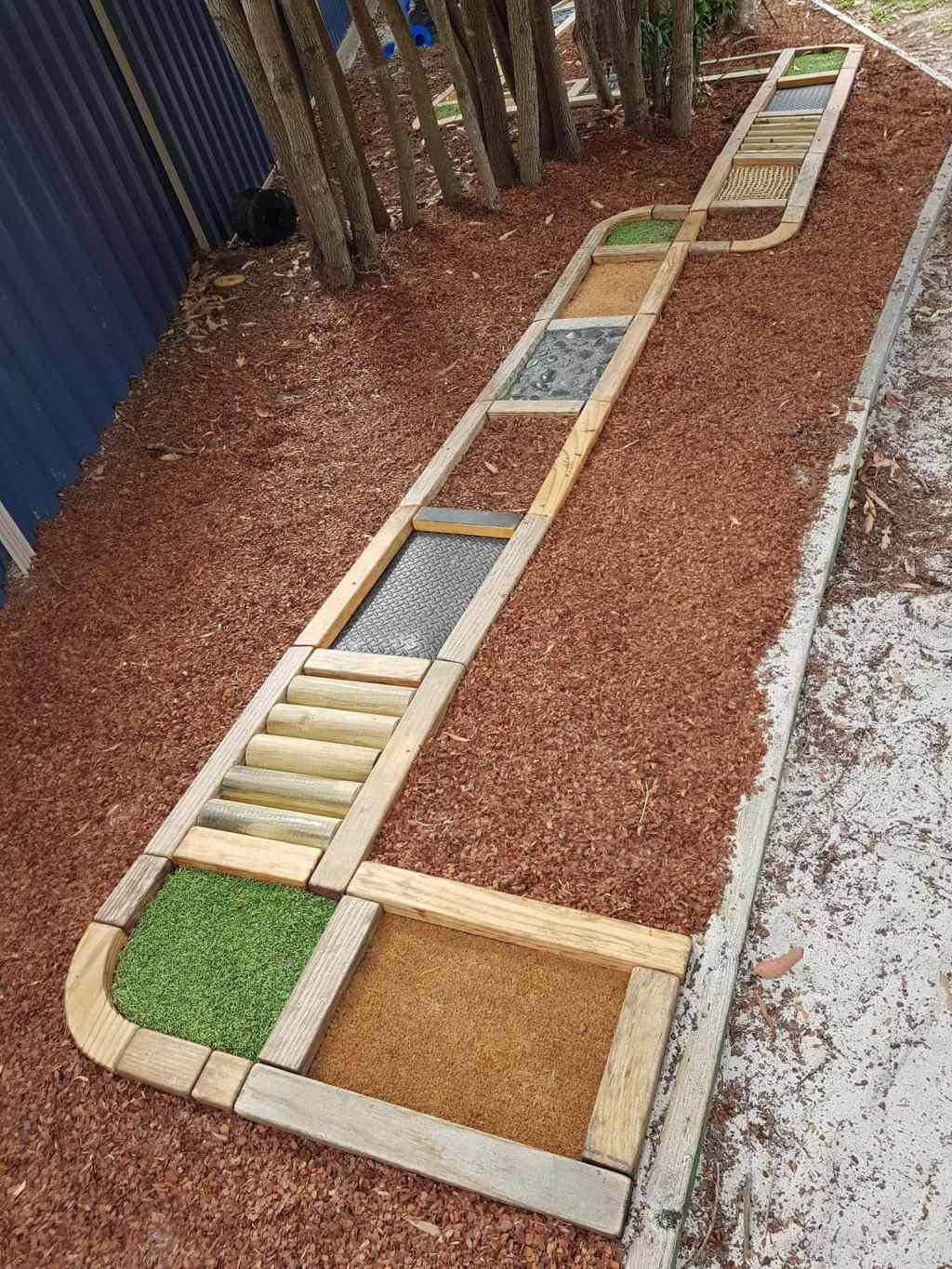
The tactile sensations offered by nature provide an opportunity for hands-on learning like no other environment can offer. Whether it’s digging your fingers into rich soil or feeling the coolness of a stream on your skin, touching elements of nature engages multiple senses simultaneously and deepens understanding through direct experience.
4. Smell:
Close your eyes as you walk through a forest or garden and let your nose guide you along an aromatic journey – from the fresh scent after rain showers to fragrant blossoms perfuming the air. Exploring scents in nature stimulates memory recall and emotional connections while heightening awareness of our surroundings.
5. Taste:
Foraging wild edibles or growing fruits and vegetables provides an immersive sensory experience that connects students directly with their food sources while fostering self-sufficiency and sustainability. Learning about the flavors, textures, and nutritional benefits of plants can be a gateway to understanding the interconnectedness of nature’s ecosystems.
6. Movement:
Nature beckons us to move our bodies in ways that indoor spaces often restrict. Climbing trees, hiking trails, or simply running through open fields allows students to engage in physical activity while experiencing the natural world firsthand. This movement not only promotes fitness but also boosts cognitive function and overall well-being.
7. Rhythm:
The rhythm of nature is synchronized with cycles and patterns that are both predictable and ever-changing. From the rising and setting of the sun to the changing seasons, nature imposes its own sense of order upon us. By attuning themselves to these rhythms, students develop an appreciation for life’s inherent balance while gaining a deeper understanding of ecological principles.
Incorporating sensory experiences in alternative education environments has transformative potential by fostering curiosity, developing observation skills, promoting environmental stewardship, enhancing emotional intelligence, and nurturing a love for lifelong learning. By immersing ourselves in nature’s sensory symphony, we open up new avenues for exploration and growth – bridging the gap between classroom knowledge and real-world experiences.
 Alternative Amie
Leave a comment