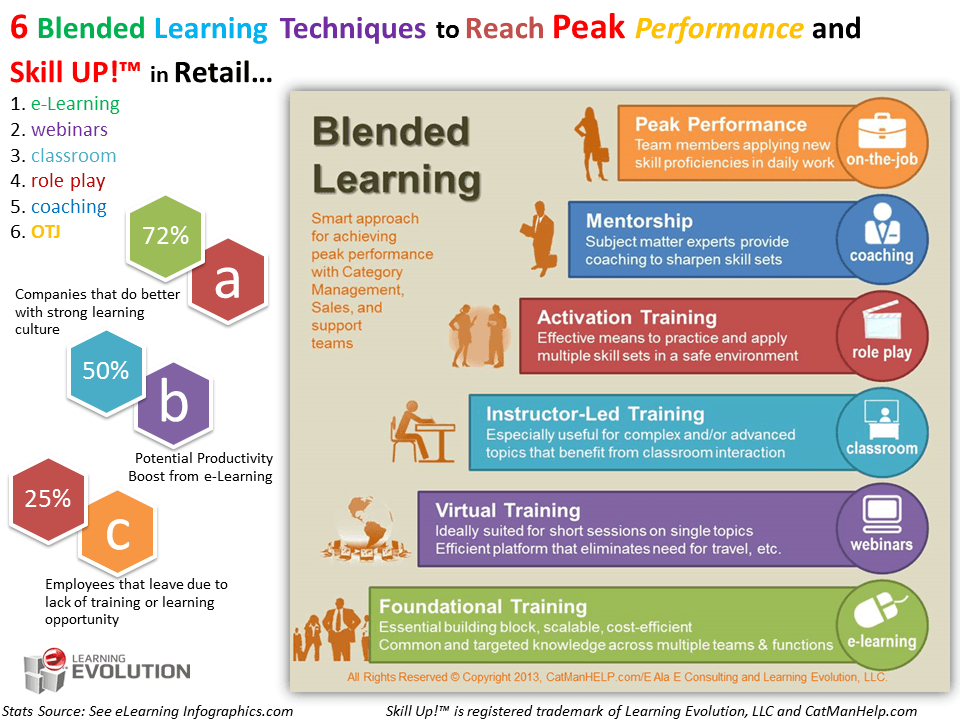
Blended learning, which combines face-to-face instruction with online learning, has gained significant popularity in alternative schooling and education settings. This instructional approach offers flexibility, personalization, and a variety of resources to meet the diverse needs of students. In this article, we will explore the various ways in which blended learning can be implemented effectively in alternative education programs.
One key aspect of blended learning is personalized learning. By incorporating technology tools and online platforms, educators can create individualized learning paths for each student. Students can work at their own pace and receive tailored support based on their specific strengths and weaknesses. This approach allows for differentiated instruction and ensures that all learners are challenged appropriately.
Gamification is another powerful tool that can be employed in blended education to enhance student engagement and motivation. By integrating game elements such as points, badges, leaderboards, and rewards into the curriculum, educators can transform mundane tasks into exciting challenges. Gamification also fosters healthy competition among students and encourages peer collaboration.
Project-based learning (PBL) is an effective pedagogical approach that aligns well with a blended classroom environment. PBL involves students working on real-world projects or investigations that require critical thinking, problem-solving skills, collaboration, and creativity. Blending PBL with online resources allows students to access relevant information while providing opportunities for hands-on application of knowledge.
Differentiated instruction plays a crucial role in meeting the unique needs of every learner in a blended classroom setting. Educators can use adaptive technologies to provide targeted interventions or enrichment activities based on individual student performance data gathered through online assessments or formative evaluations.
Social-emotional learning (SEL) is equally important in alternative schooling environments where students may have faced challenges or trauma that impact their socioemotional well-being. Blended approaches offer opportunities for SEL integration by combining virtual counseling sessions or mindfulness exercises with traditional classroom interactions.
Formative assessments play a vital role in monitoring student progress throughout the blended curriculum. Online platforms enable educators to provide timely feedback and support, allowing students to track their growth and make necessary adjustments.
Flipped classrooms are gaining popularity in alternative education programs. In this model, students access instructional content online before class, allowing for more interactive and engaging face-to-face sessions where teachers can focus on application, discussion, and problem-solving activities.
Blended learning can be highly beneficial for students with special needs or disabilities. By providing a combination of digital resources, assistive technologies, and personalized instruction, educators can cater to the individual learning needs of these students effectively.
Culturally responsive teaching is crucial in creating an inclusive blended classroom environment that values diversity. Educators should incorporate culturally relevant materials, perspectives, and instructional strategies into their blended curriculum to ensure all learners feel seen and heard.
Adult learners also benefit from the flexibility offered by blended education programs. Online modules allow them to balance work commitments while accessing educational content at their own convenience.
Incorporating virtual reality (VR) and augmented reality (AR) technologies enhances student engagement by creating immersive experiences aligned with the curriculum. These tools help bring abstract concepts to life and provide opportunities for hands-on exploration.
Peer collaboration is an essential element of a successful blended classroom environment. Online discussion forums or collaborative projects allow students to interact with their peers beyond traditional classroom boundaries.
Mindfulness practices can be integrated into blended education programs as part of social-emotional learning initiatives. Mindfulness exercises promote self-awareness, stress reduction, emotional regulation, and overall well-being among students.
Ensuring student motivation and engagement is crucial in a blended setting. Educators can use various strategies such as incorporating multimedia resources, offering choices within assignments or assessments, incorporating game elements or competition elements like leaderboards into online platforms.
Blended learning offers homeschooling families or co-ops access to a diverse range of resources while maintaining the flexibility inherent in homeschooling approaches. It allows parents to customize instruction based on their child’s learning needs while incorporating online tools and platforms.
Incorporating outdoor or experiential learning into a blended curriculum provides students with opportunities to apply their knowledge in real-world settings. Field trips, hands-on experiments, or nature-based activities can be integrated seamlessly with online resources.
Digital literacy skills are essential in the 21st century, and blended education programs provide ample opportunities for building these skills. Students learn to navigate digital platforms, evaluate information sources critically, and communicate effectively through digital mediums.
Open educational resources (OERs) are freely available digital materials that educators can incorporate into their blended curriculum. OERs promote equity by reducing resource disparities among schools and provide access to high-quality educational content.
Equity and access issues can be addressed through blended approaches in alternative schooling. By providing devices or internet connectivity support, educators ensure that all students have equal opportunities to participate fully in the blended learning experience.
Parent involvement is crucial for student success in a blended learning environment. Educators should actively engage parents through regular communication channels, parent workshops or training sessions on technology usage, and strategies for supporting their child’s learning journey at home.
Professional development plays a vital role in equipping teachers with the necessary skills and knowledge to implement effective blended education strategies successfully. Schools must invest in ongoing professional development programs focused on instructional technology integration, data analysis, pedagogical best practices, etc., to ensure teacher efficacy.
Balancing screen time with offline activities is essential within a hybrid model of schooling where both online and face-to-face instruction are involved. Educators should prioritize physical activity breaks or hands-on experiences alongside online lessons to maintain student well-being and prevent excessive screen time exposure.
Blended learning provides an effective approach for at-risk youth or students facing disciplinary challenges as it allows for personalized instruction tailored to their specific needs while offering additional support mechanisms such as virtual counseling services or self-paced modules.
Implementing competency-based education principles within a hybrid instructional model ensures that students progress based on mastery of skills rather than seat time. Online platforms allow for individualized learning paths and continuous assessment, ensuring students are adequately prepared before moving on to the next concept.
Artificial intelligence (AI) tools and adaptive technologies can enhance blended learning experiences by providing personalized recommendations, automated grading or feedback, and intelligent tutoring systems. These tools help tailor instruction to individual student needs while also supporting teachers in managing large class sizes effectively.
In conclusion, blended learning offers a wide range of benefits for alternative schooling and education programs. Personalization, gamification, project-based learning, differentiated instruction, social-emotional learning integration, assessments and feedback mechanisms, flipped classrooms, special needs inclusion, culturally responsive teaching approaches all contribute to creating holistic educational experiences in a blended classroom environment. Additionally, incorporating virtual reality (VR), augmented reality (AR), peer collaboration opportunities, mindfulness practices support student engagement and motivation. Blended learning also caters to specific contexts such as homeschooling families or co-ops while addressing equity issues through open educational resources (OERs). Parent involvement is crucial for success in a blended setting along with providing professional development opportunities for educators. Balancing screen time with offline activities is important within the hybrid model alongside implementing competency-based education principles supported by AI tools and adaptive technologies. By embracing these strategies effectively within alternative schooling settings, educators can create engaging and inclusive learning environments that meet the diverse needs of their students.
 Alternative Amie
Leave a comment