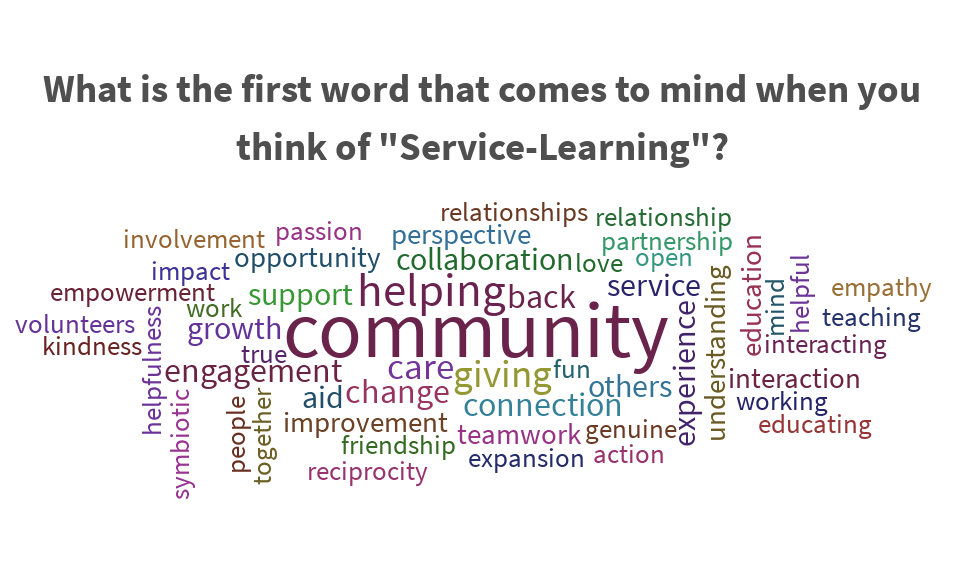
Community Partnerships and Service-Learning: Fostering a Holistic Education
In recent years, there has been a growing emphasis on alternative forms of education that go beyond traditional classroom settings. One approach gaining traction is community partnerships and service-learning, which provide students with valuable hands-on experiences while fostering their personal growth and development. This article will explore the concept of community partnerships in education, the benefits they offer to students, and how they contribute to a well-rounded educational experience.
What are Community Partnerships?
Community partnerships involve collaboration between educational institutions, such as schools or colleges, and organizations within the local community. These organizations can be non-profit entities, businesses, government agencies, or other community-based initiatives. The objective is to create mutually beneficial relationships that enhance learning opportunities for students while addressing real-world needs within the community.
Service-learning programs are often an integral part of these partnerships. Service-learning combines academic instruction with meaningful service activities that meet identified community needs. By engaging in service projects related to their coursework, students not only gain practical skills but also develop a sense of social responsibility and civic engagement.
Benefits for Students
1. Real-world application: Community partnerships provide students with opportunities to apply what they have learned in the classroom to real-life situations. By working on projects that have tangible outcomes or impact on their immediate environment, students see firsthand how theoretical knowledge translates into practical solutions.
2. Enhanced critical thinking: When confronted with complex problems outside the confines of conventional schooling systems, students are encouraged to think critically and creatively. They learn how to analyze challenges from different perspectives and tackle them using innovative approaches.
3. Personal growth: Engaging in service-oriented activities fosters personal development among students by cultivating empathy, compassion, teamwork skills, leadership abilities, and adaptability—all crucial qualities for success in today’s interconnected world.
4. Expanded worldview: Through interactions with diverse individuals from various backgrounds through community partnerships or service-learning experiences abroad (if available), students gain a broader understanding and appreciation of different cultures, perspectives, and social issues. This exposure helps foster empathy and open-mindedness.
5. Career exploration: Community partnerships offer students valuable insights into potential career pathways by exposing them to professionals working in their fields of interest. These interactions can help clarify their future goals and aspirations while providing networking opportunities that may lead to internships or job offers.
Benefits for Communities
1. Addressing community needs: By collaborating with educational institutions, community organizations can tap into the expertise and resources of students, faculty, and staff to address pressing local issues. This partnership helps bridge gaps between theoretical knowledge and practical solutions by utilizing the fresh perspectives and energy of young minds.
2. Building sustainable relationships: Community partnerships cultivate long-term collaborations between schools/colleges and organizations within the community, fostering trust, goodwill, and shared responsibility for the well-being of all stakeholders involved.
3. Leveraging resources: Educational institutions often have access to facilities, technology, research capabilities, funding sources, or expertise that can benefit the broader community. Community partnerships enable these resources to be harnessed effectively toward shared goals.
4. Strengthening civic engagement: Engaging students in service-learning programs nurtures a sense of responsibility towards their communities from an early age—an essential ingredient for building active citizens who contribute positively to society.
Implementing Community Partnerships
To ensure successful implementation of community partnerships within alternative education settings:
1. Establish clear objectives: Clearly define the purpose of partnering with specific organizations based on educational goals as well as identified community needs.
2.Involve all stakeholders: Engage educators, administrators, students (where appropriate), parents/guardians (for younger learners), local residents/business owners/community leaders in identifying potential partners and designing collaborative projects.
3.Provide training/support: Equip teachers/faculty members with necessary tools/training/resources to effectively integrate service-learning into existing curricula. It is essential to ensure they are adequately prepared to guide students through these experiences.
4.Evaluate and reflect: Regularly assess the impact of community partnerships on student learning outcomes, community development, and overall program effectiveness. Reflecting on successes and challenges helps refine future initiatives.
Community partnerships and service-learning offer a powerful way to enhance education by connecting learning with real-world experiences. By nurturing active citizenship, critical thinking skills, empathy, and personal growth among students, these approaches contribute to a more holistic educational experience that prepares them for success in both their academic journeys and beyond.
 Alternative Amie
Leave a comment